

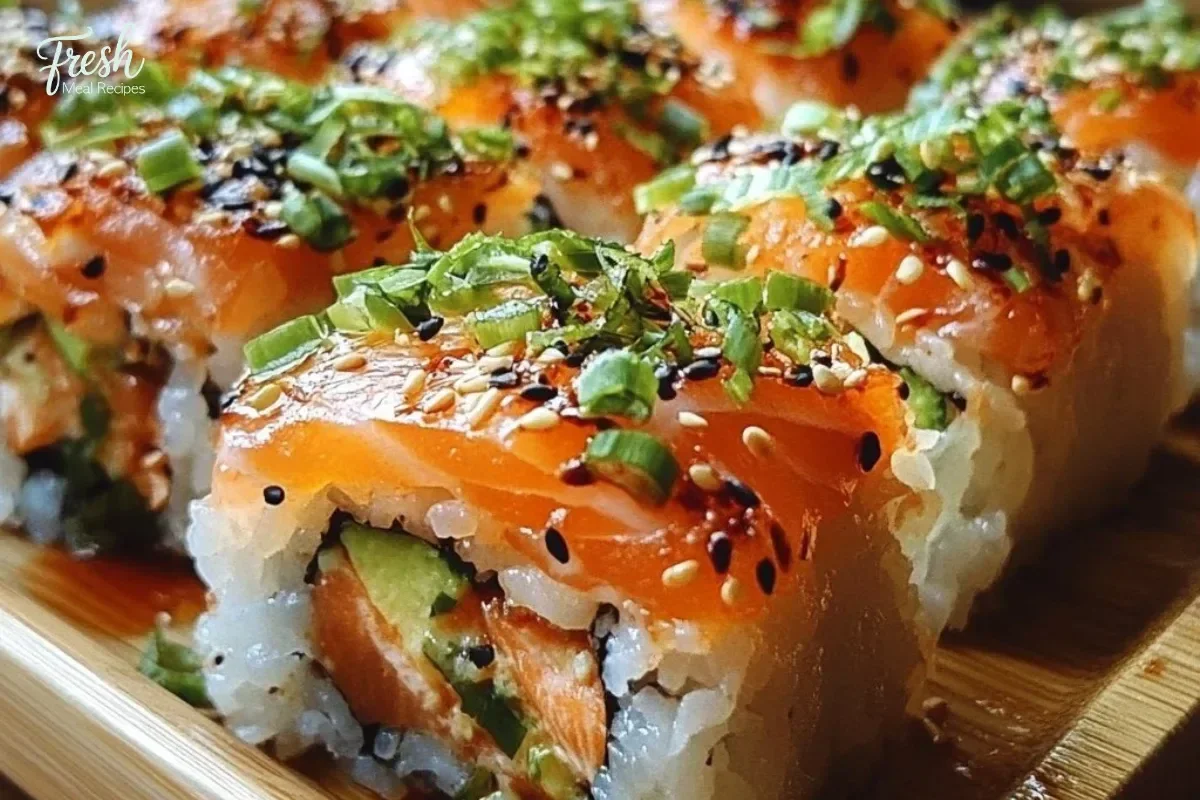
I stand at the counter with a warm cup of tea and the quiet hum of the oven waiting to be used. This Spicy Salmon Sushi Bake Recipe is one of those recipes that asks for very little fuss and returns something comforting and bright. It is easy to assemble, steady in its timing, and it fills the kitchen with a gentle, savory aroma as it bakes. I share it in the way I cook every week: patiently, without hurry, and with the small confidence that comes from many afternoons of testing and tasting.
Why Make This Spicy Salmon Sushi Bake Recipe
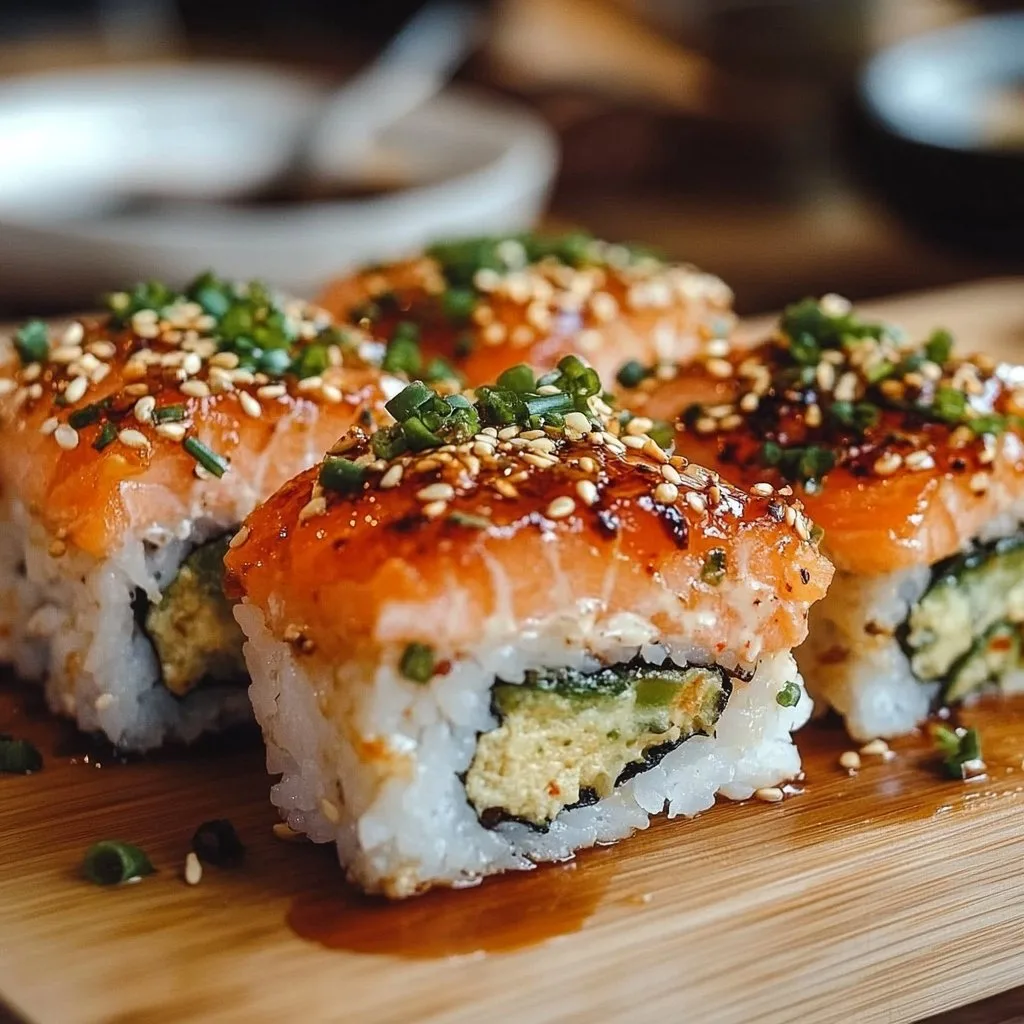
This dish fits into modern home cooking because it is reliable and adaptable. It is a cozy, slightly spicy casserole that borrows the best textures of sushi warm vinegared rice and tender salmon and turns them into a family-friendly bake. You get the satisfaction of hands-on prep and the calm of an oven doing steady work while you set the table.
It works well on busy nights and for casual entertaining. You can bring it to the table straight from the dish and let guests serve themselves, or spoon it into bowls for quieter dinners. The layered nature of rice and seasoned salmon makes it forgiving and consistent. For a simple contrast later in the week, consider pairing it with a bright salad or try it alongside a gentle, buttery fish like the lemon-butter baked salmon I often make for calm Sunday meals: baked salmon with lemon butter.
This recipe supports everyday kitchen life. It is not the sort of recipe that demands precision. It asks only for attention in a few small places: properly rinsed rice, a gentle fold of vinegar into rice, and a confident spoonful of seasoned salmon on top. Those small moments add up to a satisfying finish.
How to Make Spicy Salmon Sushi Bake Recipe
“Good recipes should feel calm, not complicated.”
Before we dive into steps, know that the process moves in predictable, comforting stages. You cook the rice until it is tender, season it so each grain tastes bright, and then top it with a creamy, spicy salmon mixture. The oven brings everything together, and the top gains a little color while the edges set.
Texture matters here. The rice should feel slightly sticky but distinct, not mushy. The salmon filling should be creamy but chunky, with green onion adding freshness and sesame oil adding a hint of warmth. Timing is gentle: rice cooking takes the longest, the oven does the finishing, and resting time after baking lets flavors calm and set.
Along the way, you will notice small cues. Once mixed, the rice glistens and smells faintly sweet and tangy. From there, spreading becomes a quiet, even motion. Afterward, the top will take on a light golden tone and the bake will feel stable at the edges. These are subtle signs that all is well.
Gathering the Ingredients
2 cups sushi rice (uncooked)
2.5 cups water
1/4 cup rice vinegar
2 tablespoons sugar
1 teaspoon salt
1 lb fresh salmon fillet (skinless and diced)
1/2 cup mayonnaise
2 tablespoons Sriracha sauce (or to taste)
1 teaspoon sesame oil
1/2 cup green onions (chopped, plus extra for garnish)
1 sheet nori (cut into small strips)
to taste tobiko (optional for garnish)
Each ingredient has a clear role. The sushi rice anchors the dish; its short grains hold together and take on the vinegary flavor. Use well-rinsed rice so the grains cook cleanly and the texture remains distinct. The rice vinegar, sugar, and salt create that classic sushi balance: tangy, slightly sweet, and just salted.
Fresh salmon brings the main flavor and texture. Dicing it into even pieces helps it cook uniformly in the oven. Mayonnaise does more than add richness; it helps the salmon stick together and develop a light, creamy top. Sriracha gives a direct spicy note, and you can adjust it depending on who you are cooking for.
Sesame oil is a finishing whisper. Use it sparingly; a teaspoon lends fragrance without overpowering. Green onions add a gentle crunch and an oniony brightness that lifts the whole dish. Nori strips bring a familiar sea-scent and texture, and tobiko gives a playful pop when you want to add a bit of show. If you enjoy easy dessert recipes or simple cake recipe ideas in the same calm kitchen, you will find the same methodical joy in this savory bake as you might when testing a family-friendly desserts list.
Step-by-Step Directions
- Preheat your oven to 375°F (190°C).
Set a rack in the center so heat can surround the dish evenly.
Let the oven reach temperature while you finish the prep. - Cook the sushi rice according to the package instructions, typically rinsing it under cold water, then combining it with water in a rice cooker or pot, and cooking until tender.
Rinsing removes excess starch for cleaner grains.
If using a pot, bring to a boil then simmer gently until water is absorbed. - In a mixing bowl, combine rice vinegar, sugar, and salt. Stir until dissolved. Once the rice is cooked, fluff it with a fork and gently fold in the vinegar mixture.
Work carefully so the rice keeps some structure.
The rice should feel slightly sticky and smell bright. - Spread the rice evenly at the bottom of the baking dish and let it cool slightly.
A shallow layer lets heat move through the bake evenly.
Coolness helps the salmon layer sit neatly on top. - In another bowl, mix the diced salmon, mayonnaise, Sriracha sauce, sesame oil, and green onions until well combined. Adjust the spiciness to your preference.
Stir gently so the salmon keeps some texture.
Taste a tiny bit of the mixture and adjust heat or salt as needed. - Spread the salmon mixture evenly over the rice in the baking dish.
Use a spatula to press it into a smooth, even layer.
Clean edges help it bake evenly and present nicely. - Bake in the preheated oven for about 25-30 minutes, or until the salmon is cooked through and the top is slightly golden.
Look for the edges to set and the surface to take on a light color.
If the top needs a little more color, move the dish briefly to the upper rack for a minute or two, watching closely. - Once baked, remove from the oven and let it cool for a few minutes. Garnish with additional green onions, nori strips, and tobiko if desired.
Resting gives the layers time to settle and the flavors to calm.
The bake will feel firmer at the edges and still tender in the center. - Serve warm, scooping out the bake with a spoon, and enjoy!
Pair with pickled ginger, soy, or a light salad for contrast.
This dish also makes a good, comforting follow-up to simple homemade dessert recipes or an easy dessert recipes habit you keep for after-dinner treats.
Each step is purposeful and kind to the cook. You do not have to hurry. The rice has its own rhythm. Meanwhile, small tasks like chopping the green onions and mixing the salmon go quickly and give a satisfying sense of progress. These steady moments are what make the bake feel like a comfortable ritual.
Serving Spicy Salmon Sushi Bake Recipe Simply
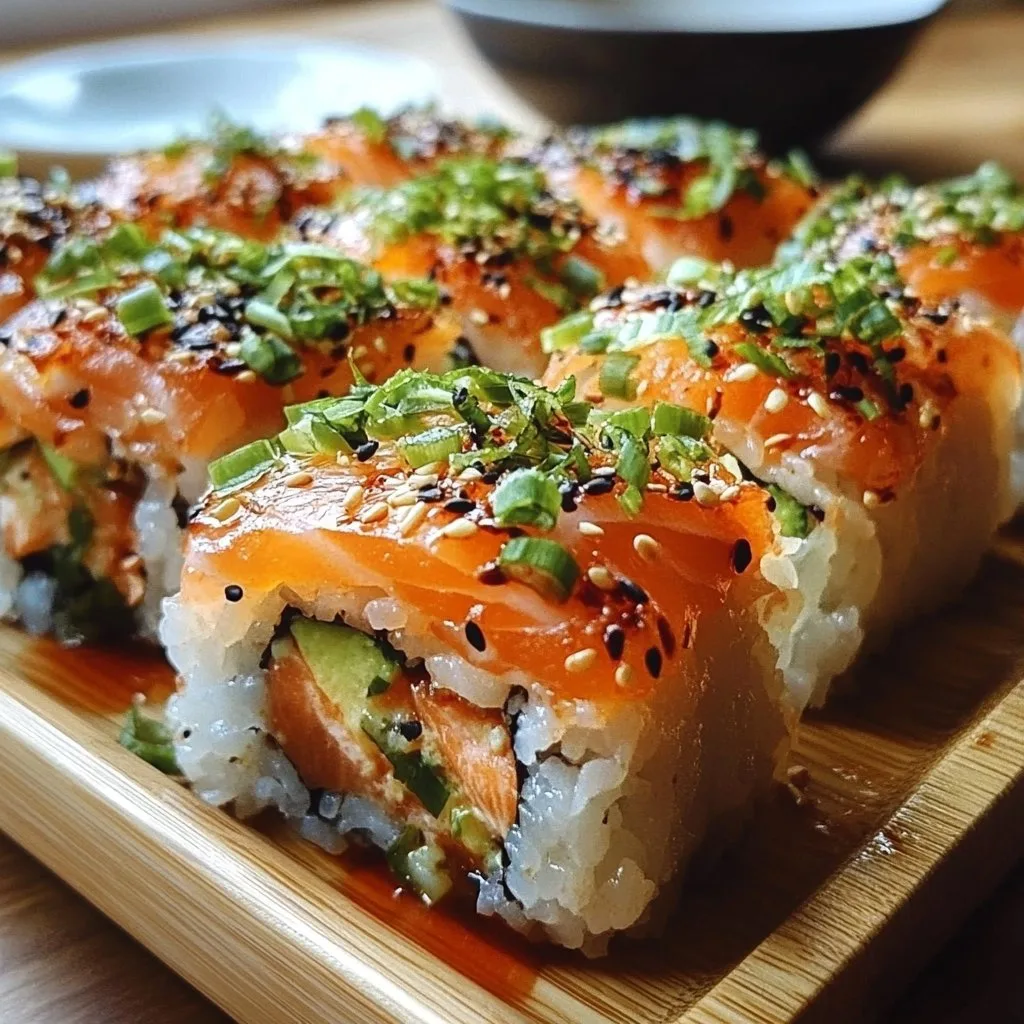
Serve this bake in an unpretentious way. Scoop warm portions into shallow bowls or onto plates and offer a small dish of soy or tamari for dipping. A side of lightly dressed cucumber or a simple mixed greens salad keeps the meal fresh and clean.
This recipe pairs well with a quiet cup of tea or a glass of chilled water with lemon. For casual gatherings, set out small spoons and sheets of toasted nori so guests can build their own bites. The texture of the rice and the creamy salmon invites hands-on serving and sharing.
If you like to end meals with something sweet, keep a few no-fuss desserts nearby. A family-friendly desserts list of easy treats can make the finish feel cared for without fussing. For instance, a quick pan of brownies or a simple cake recipe brings closure without stealing time from the kitchen rhythm.
Saving Some for Later
This bake stores simply. Cover the dish tightly and refrigerate for up to three days. Flavors will settle and often taste more integrated the next day. Reheat gently in an oven set to 325°F (160°C) until warmed through. This keeps the top from getting tough and helps the rice regain a gentle steam.
You can also portion into airtight containers for lunches. A quick reheat in a microwave is fine for single servings, but keep the power low and warm in short intervals to avoid overheating the salmon.
Freezing is possible but not ideal. The texture of cooked rice often changes after freezing and thawing. If you freeze, portion into small airtight containers and consume within a month. Thaw in the fridge overnight and reheat in the oven for the best texture.
Storage makes this recipe forgiving and practical. It fits into a week of meals the same way a tried cookie recipe or an everyday baking plan does. If you enjoy making larger batches for later, folding this into a weekly routine can be a small, steady win.
Marina’s Kitchen Notes
- Pan size and edges matter. Use a shallow ovenproof dish roughly 9×13 inches or similar so rice and salmon cook evenly. A deeper pan will extend baking time and change the texture at the center.
- Oven placement affects color. Place the dish in the center of the oven for an even bake. If the top needs a touch more color, move it up for the last minute, watching closely.
- Substitutions keep things simple. If you prefer less heat, cut the Sriracha in half and add more green onion. If mayonnaise is not your style, try Greek yogurt for a lighter, tangier finish.
- Texture fixes are easy. If the salmon mixture seems too loose, chill it briefly before spreading; it will hold its shape better. If the rice seems sticky, let it steam with the lid off for a minute to firm up.
- Timing flexibility is kind. You can prepare the rice up to a day ahead and keep it covered in the fridge. Assemble and bake when you are ready. This is a low-pressure way to manage a busy evening.
These notes come from many afternoons of making small adjustments and learning what matters in a home kitchen. I choose tools and approaches that reduce stress, not increase it. That way the cooking feels like a calm practice instead of a race.
Simple Variations
- Milder version. Reduce Sriracha to 1 tablespoon and add a teaspoon of honey for balance. This keeps the creamy texture while softening the heat.
- Crunchy topping. Scatter panko mixed with a little oil and toasted sesame seeds over the top for a gentle crunch that plays well with the soft rice.
- Vegetable add-ins. Fold small diced cucumbers or thinly sliced radish into the topping after baking for brightness and crunch. Keep additions small so the bake remains cohesive.
- Light version. Swap half the mayonnaise for plain yogurt to reduce richness yet keep creaminess. A touch more lemon or rice vinegar brightens the top layer.
- Seasonal twists. In spring, add finely chopped shiso or mitsuba for a herb lift. In winter, fold in a small amount of roasted sweet potato for comfort.
You will notice that many of these variations come from the same simple principle: small changes, gentle results. These are not complicated overhauls but quiet nudges that let the recipe respond to your pantry and the people you are cooking for. If you enjoy switching between savory bakes and sweet treats, you might also appreciate simple, quick sweets like these easy no-bake bars or a quick cookie that bakes in minutes, perfect when you want to finish a meal with something modest and satisfying: no-bake peanut butter bars and banana oatmeal cookies.
FAQs About Spicy Salmon Sushi Bake Recipe
Can I make this ahead of time?
Yes. This recipe is forgiving. Making it ahead often makes serving easier and lets the flavors settle naturally. Assemble and refrigerate, then bake when you are ready.
Is the salmon fully cooked in this bake?
Yes. The oven heats the salmon through. Look for the edges to set and the center to feel firm but tender. If you prefer a more cooked texture, add a few extra minutes to the bake.
Can I use leftover cooked salmon?
Absolutely. If you have cooked salmon, flake it and fold it with the mayonnaise and seasonings. You may need to shorten the oven time since the filling is already cooked.
How can I reduce sodium?
Use low-sodium soy or tamari for serving and reduce the salt in the rice vinegar mix by half. Fresh herbs and citrus zest can add brightness that compensates for less salt.
What if my rice is too sticky?
Rinse the rice well before cooking next time. For this bake, spread the rice out to cool slightly before adding the salmon layer. Cooling helps the grains firm up and separate slightly.
These answers come from making the dish many times and testing small adjustments. They are meant to remove worry and make the recipe approachable for cooks of all levels.
A Final Thought From My Kitchen
This Spicy Salmon Sushi Bake Recipe is a reminder that good cooking does not need to be ornate to feel nourishing. It asks for a few careful moments of attention and then lets the oven and time do the rest. The calm rhythm of rinsing rice, folding in vinegar, and spreading a creamy topping is a kind of slow, kind work that yields steady comfort.
Cooking like this gives permission to be practical and gentle. If you want to pair this dish with a relaxed sweet finish, a simple brownie or classic family favorite can close the meal without fanfare. I often reach for a reliable brownie when I want something quick and satisfying after dinner: best brownie recipe.
Conclusion
For more step-by-step inspiration and a slightly different take on the same comforting idea, see this guide on How to Make Salmon Sushi Bake – FeedMi Recipes. If you want another clear recipe to compare flavors and technique, this version is helpful and approachable: Spicy Salmon Sushi Bake – The Food Blog.
Thank you for bringing this dish into your kitchen. Cook calmly, trust the small cues, and enjoy the quiet satisfaction of a meal that feels like home.