

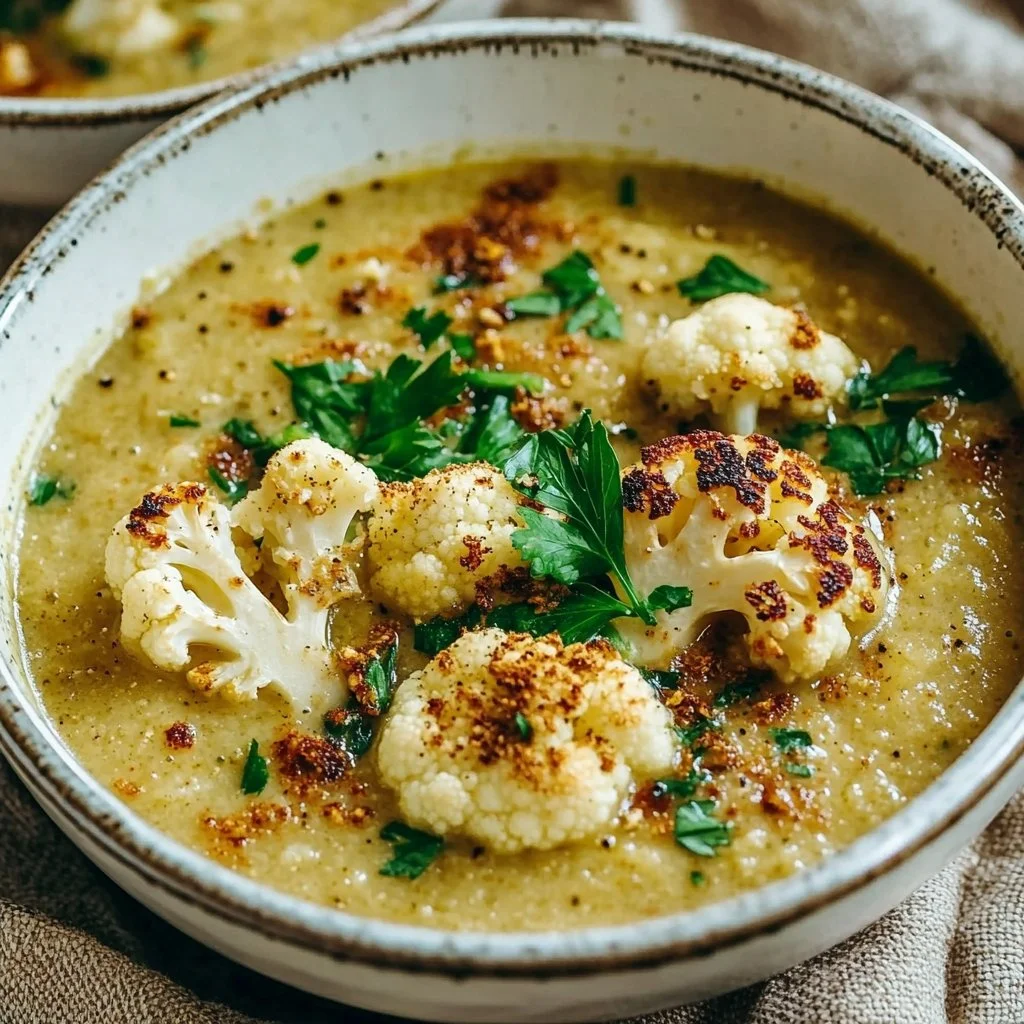
A quiet pan warms on the stove and the kitchen fills with a soft, herb-scented hush. I think of the Mediterranean Cauliflower Soup Recipe while I chop, not as a project but as a small, steady act of care. The process is calm and clear, and the ingredients are kind to one another. Meanwhile, a kettle gets ready for tea and I know this soup will pair well with simple comforts. If you enjoy everyday baking, you may also find pleasure in browsing a short list of tried-and-true cakes like the best 5 delicious cake recipes, a gentle reminder that reliable recipes make home life easier.
Why Mediterranean Cauliflower Soup Recipe Works So Well Every Time
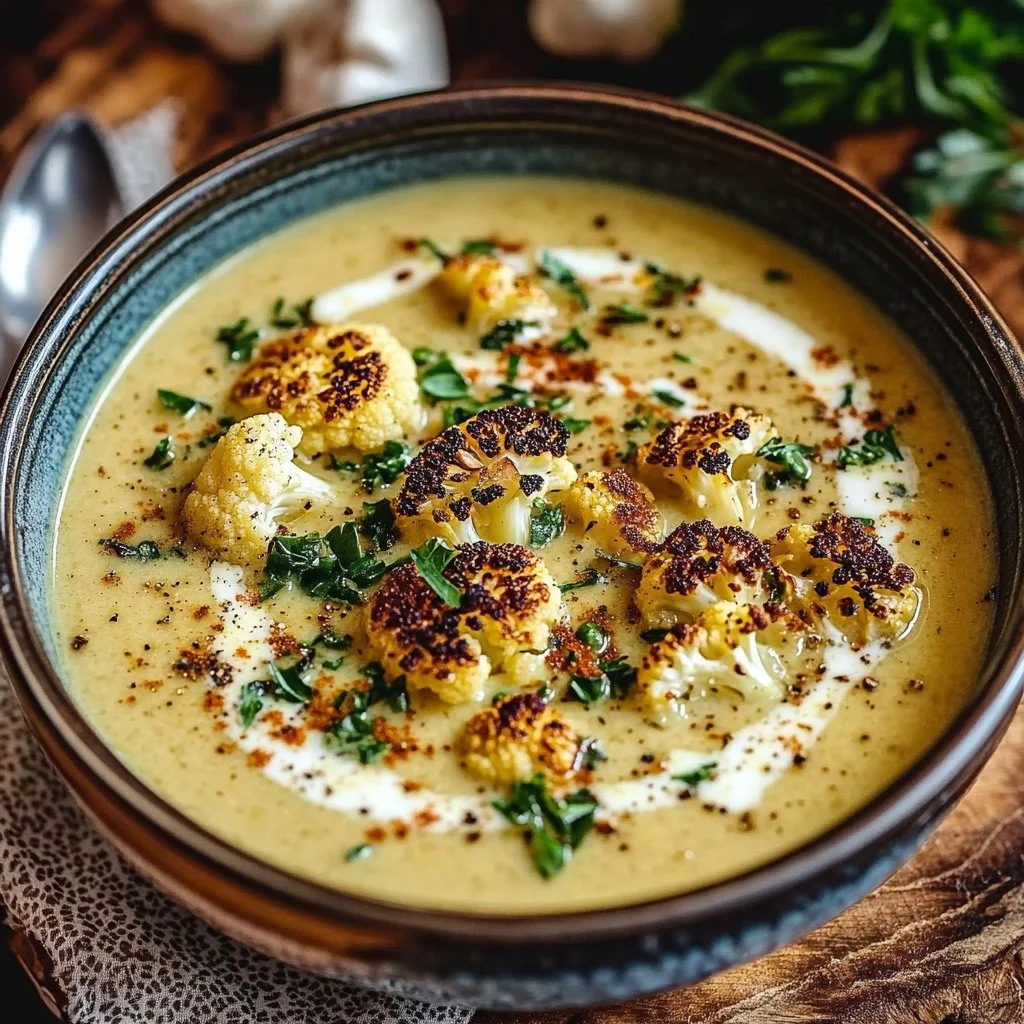
This soup is the kind of recipe that turns routine into something quietly special. It asks for modest time and ordinary tools. The head of cauliflower is humble, but when it meets olive oil, onion, garlic, and the bright herbs it becomes soothing, layered, and steady.
The method is forgiving. You do not need exact science. Simmer a little longer, taste and adjust salt, and the soup will respond. The herbs carry Mediterranean warmth without being assertive. The lemon brightens the pot at the end, like a gentle final note.
There is also an economy to this recipe. Leftovers rehearse into new meals easily. A bowl with crumbled feta and toasted pine nuts reads like effort, even when it took only minutes to finish. This makes the soup a quiet companion for busy nights, weekend lunches, or the moments when you want food that reassures you instead of demanding perfection.
I mention this not just to praise the dish, but to show that good cooking is calm and practical. It supports other small rituals of the home, from simple afternoon treats to no-fuss desserts that follow a comforting meal. Once the soup is underway, you can turn to light baking projects or enjoy a little everyday baking without pressure.
Bringing Mediterranean Cauliflower Soup Recipe Together Gently
“Good recipes should feel calm, not complicated.”
The process is steady and rhythmic. You start by creating an aromatic base and then layer the cauliflower and herbs. From there you add liquid and let heat do its patient work. Afterward you blend the pot into a smooth, warm texture and finish with lemon and olive oil.
Texture is important in a soup like this. You want the cauliflower completely tender so the blender can make the soup silky. Timing gives you that texture. Simmer until the florets fall apart with a gentle press. As you blend, you watch the surface go from bubbled to smooth, and that is one of the small goals you can trust.
The soup’s flavors also benefit from rest. After blending, allow it to sit briefly. Flavors settle, meld, and become more coherent. Meanwhile, you can prepare garnishes or simply set the table. This is cooking with presence, not rush. Simple care and small checks will guide you to a satisfying result.
Gathering the Ingredients
What you bring to the pot shapes the final bowl. Below are the ingredients, one per line, followed by calm notes on why they matter.
1 large head cauliflower (about 2 pounds), cut into florets
3 tablespoons extra virgin olive oil, plus more for drizzling
1 large yellow onion, diced
3 garlic cloves, minced
4 cups vegetable broth (or chicken broth)
1 cup water
2 tablespoons fresh oregano (or 2 teaspoons dried)
2 tablespoons fresh thyme (or 2 teaspoons dried)
1 tablespoon fresh rosemary, finely chopped
2 bay leaves
1 teaspoon sea salt (adjust to taste)
½ teaspoon freshly ground black pepper
2 tablespoons fresh lemon juice
½ teaspoon smoked paprika (optional)
Crumbled feta cheese
Fresh herb sprigs
Toasted pine nuts
Crusty bread drizzle with olive oil
Notes on ingredients and purpose:
- Cauliflower provides a gentle, creamy base when cooked and pureed. Use a firm head with compact florets for best texture.
- Extra virgin olive oil carries flavor and gives the soup a silky mouthfeel. A good oil will make a visible difference in finish.
- The onion and garlic build a savory foundation. Cook them slowly until softened, not browned aggressively.
- Broth gives depth. Vegetable broth keeps the pot light, while chicken broth adds a rounder savory note.
- Fresh herbs are worth the small effort. They add brightness and a true Mediterranean character. Dried herbs work if fresh are not available.
- Lemon juice wakes the flavors at the end. Add it last and then taste.
- Feta, pine nuts, and olive oil are optional but lift the final bowl. They provide contrast in texture and salt.
You may notice some of the long-running comforts of home cooking slip in here. This recipe pairs well with light baking or a small, family-friendly dessert afterward, and it leaves room for a simple cake recipe or a no-fuss desserts plan if you want to extend a quiet meal into something a little sweeter.
Step-by-Step Directions
- Prepare the Aromatic Base
Heat the olive oil in a large, heavy-bottomed pot over medium heat.
Add the diced onion and cook for 5-6 minutes until softened and translucent.
The onion should be fragrant and just beginning to turn golden at the edges.
Add the minced garlic and cook for another minute until aromatic. - Add the Cauliflower and Herbs
Add the cauliflower florets to the pot, stirring to coat them with the aromatic oil mixture.
Add the oregano, thyme, rosemary, and bay leaves, stirring to distribute the herbs evenly.
Let the cauliflower cook for 3-4 minutes, allowing it to absorb the herb flavors.
You should notice the edges of florets take on a faint sheen from the oil. - Build the Soup Base
Pour in the vegetable broth and water, ensuring the liquid covers the cauliflower by about an inch.
Add the salt, pepper, and smoked paprika if using.
Bring the mixture to a boil, then reduce heat to maintain a gentle simmer.
As the pot comes up to temperature, you will smell herbs and a deepening sweetness from the cauliflower. - Simmer to Perfection
Cover the pot and simmer for 20-25 minutes, or until the cauliflower is completely tender and easily pierced with a fork.
The vegetables should be soft enough to break apart easily this ensures a smooth, creamy texture when blended.
Check once or twice and stir gently to prevent sticking.
You may notice a faint cloud rising from the pot; that is a good sign of steady simmering. - Blend and Finish
Remove the bay leaves and let the soup cool slightly.
Using an immersion blender, puree the soup until smooth and creamy. For an ultra-smooth texture, work in batches with a regular blender.
Stir in the fresh lemon juice and taste for seasoning adjustments.
At this stage, the surface should look glossy and even, with no lumps. - Serve with Mediterranean Flair
Ladle the soup into bowls and drizzle each serving with a generous amount of good olive oil.
Top with crumbled feta, fresh herbs, or toasted pine nuts as desired.
Serve with crusty bread, brushed with olive oil if you like, or a simple salad on the side.
Enjoy the quiet satisfaction of a pot that did its work and tasted like calm.
A few sensory notes in the cooking: as the onions soften you may think of batter thickening in baking, the small change that tells you things are proceeding well. As the cauliflower cooks you will sense edges setting where the florets meet the broth. The surface of the blended soup will go from a gentle ripple to smooth and lightly glossy. Afterward, let the soup cool a little before serving to let the flavors settle and to avoid scalding warmth.
Serving Mediterranean Cauliflower Soup Recipe Simply
Serve this soup without fuss. A shallow bowl, a simple drizzle of olive oil, and a scattering of feta and herbs make it feel complete. For a casual lunch, pair with crusty bread and a small green salad. For dinner, let it be a starter that opens a meal without asking for fanfare.
If you set a table for family, place toppings in small bowls so everyone can choose. Toasted pine nuts offer crunch. Crumbled feta adds salt and creaminess. A sprig of thyme or oregano makes the bowl look cared for without being ornate.
The soup also lends itself well to a quiet meal after baking. If you have been practicing everyday baking or preparing a simple cake recipe nearby, this soup brings savory balance. It is gentle enough to stand beside a no-fuss desserts course or a light coffee and sweet ending.
Saving Some for Later
This recipe stores very well. Cool completely before refrigerating, and transfer to an airtight container. Refrigerated soup will keep for up to four days with flavors that often deepen.
To freeze, portion the soup into single-serve containers or freezer bags and freeze flat. It will keep for up to three months. Thaw overnight in the refrigerator, and reheat gently on the stovetop over low heat. Stir occasionally until warmed through.
Reheating tip: add a splash of water or broth if the soup seems thick after chilling. Heat slowly and taste for seasoning. Fresh lemon juice added after reheating brightens the flavors and restores lift.
If you want to make the soup ahead, cook through the blending stage, cool, and refrigerate. Rewarm and finish with lemon and garnishes just before serving. This makes entertaining easier and lets you focus on small finishing touches.
Quiet Adjustments That Help
- Pan and pot choices matter. Use a heavy-bottomed pot for even heat. It prevents hot spots and reduces the need to watch the pot constantly.
- Herb swaps are easy. If you do not have fresh rosemary, use a little less dried rosemary. The same applies for oregano and thyme. Taste and adjust.
- Texture fixes: if the soup feels too thin, simmer uncovered for a few more minutes to concentrate. If it is too thick, add broth by the quarter-cup.
- Garnish guidance: toast pine nuts in a dry pan until lightly golden. They will crisp quickly. Crumbled feta will soften if left in the hot soup, so add it just before serving.
- Timing flexibility: you can simmer a little longer without harm. The soup is forgiving, making it a good dinner when your day runs late.
For the cook who also likes something sweet at the table, a small, reliable brownie or a modest cake makes a pleasant pairing. I often keep a simple, family-friendly sweet recipe on rotation, such as the best brownie recipe, which sits well against the savory bowl.
Simple Variations
- Make it richer: stir in a few tablespoons of plain full-fat yogurt or a splash of cream at the end for added silk. Adjust salt accordingly.
- Add greens: once blended, stir in chopped spinach or kale and warm through for a vegetable boost. The color brightens the bowl and the texture stays smooth.
- Spice it gently: a pinch more smoked paprika or a small pinch of cayenne will add warmth without overwhelming. Taste as you go.
- Make it brothy: if you prefer a looser soup, increase the broth by a cup and simmer a few extra minutes. The flavor will stay true but the mouthfeel will be lighter.
- Roast the cauliflower: for a deeper flavor, roast cauliflower florets at 425 degrees until edges are lightly golden, then add them to the pot when building the base. This adds caramelized notes and a hint of sweetness.
These variations are small and intentional. They honor the original while letting you adjust the soup to suit season, mood, or what is in the pantry.
Print
Mediterranean Cauliflower Soup
- Prep Time: 15 minutes
- Cook Time: 30 minutes
- Total Time: 45 minutes
- Yield: 4 servings 1x
- Category: Soup
- Method: Simmering
- Cuisine: Mediterranean
- Diet: Vegetarian
Description
A soothing and creamy soup made with cauliflower, bright herbs, and a touch of lemon, perfect for cozy meals.
Ingredients
- 1 large head cauliflower (about 2 pounds), cut into florets
- 3 tablespoons extra virgin olive oil, plus more for drizzling
- 1 large yellow onion, diced
- 3 garlic cloves, minced
- 4 cups vegetable broth (or chicken broth)
- 1 cup water
- 2 tablespoons fresh oregano (or 2 teaspoons dried)
- 2 tablespoons fresh thyme (or 2 teaspoons dried)
- 1 tablespoon fresh rosemary, finely chopped
- 2 bay leaves
- 1 teaspoon sea salt (adjust to taste)
- ½ teaspoon freshly ground black pepper
- 2 tablespoons fresh lemon juice
- ½ teaspoon smoked paprika (optional)
- Crumbled feta cheese
- Fresh herb sprigs
- Toasted pine nuts
- Crusty bread drizzled with olive oil
Instructions
- Heat the olive oil in a large, heavy-bottomed pot over medium heat.
- Add the diced onion and cook for 5-6 minutes until softened and translucent.
- Add the minced garlic and cook for another minute until aromatic.
- Add the cauliflower florets to the pot, stirring to coat them with the aromatic oil mixture.
- Add the oregano, thyme, rosemary, and bay leaves, stirring to distribute the herbs evenly.
- Let the cauliflower cook for 3-4 minutes, allowing it to absorb the herb flavors.
- Pour in the vegetable broth and water, ensuring the liquid covers the cauliflower by about an inch.
- Add the salt, pepper, and smoked paprika if using.
- Bring the mixture to a boil, then reduce heat to maintain a gentle simmer.
- Cover the pot and simmer for 20-25 minutes, or until the cauliflower is completely tender.
- Remove the bay leaves and let the soup cool slightly.
- Using an immersion blender, puree the soup until smooth and creamy.
- Stir in the fresh lemon juice and taste for seasoning adjustments.
- Ladle the soup into bowls and drizzle each serving with olive oil.
- Top with crumbled feta, fresh herbs, or toasted pine nuts as desired.
Notes
The soup can be made ahead and stores well. It can be chilled or frozen for later use. Add additional lemon juice after reheating for a fresh taste.
Nutrition
- Serving Size: 1 serving
- Calories: 350
- Sugar: 5g
- Sodium: 400mg
- Fat: 12g
- Saturated Fat: 4g
- Unsaturated Fat: 6g
- Trans Fat: 0g
- Carbohydrates: 45g
- Fiber: 3g
- Protein: 15g
- Cholesterol: 30mg
FAQs About Mediterranean Cauliflower Soup Recipe
Can I make this ahead of time?
Yes. This recipe is forgiving. Making it ahead often makes serving easier and lets the flavors settle naturally. Reheat gently and add lemon before serving.
Is it okay to use dried herbs instead of fresh?
Yes. Use one-third the amount of dried herbs when substituting for fresh. Dried herbs are more concentrated, so start small and taste.
Can I omit the lemon?
You can, but lemon brightens the soup and balances the richness. If you must omit it, consider a splash of vinegar to lift the flavors slightly.
How can I make the soup gluten-free or vegan?
The recipe is naturally gluten-free if you use gluten-free broth and bread on the side. It is vegan when using vegetable broth and omitting feta. The olive oil and herbs provide plenty of flavor.
What is the best way to reheat frozen soup?
Thaw in the refrigerator overnight. Reheat on the stovetop over low heat, stirring occasionally. Add a little additional liquid if it thickened while frozen.
These questions come from years of simple kitchen practice. They are common, and the answers aim to remove friction so you can relax and cook with confidence.
A Final Thought From My Kitchen
This soup is a small ritual you can count on. It does not demand perfect timing or exact measurements, and it rewards patience and simple attention. There is a quiet pleasure in stirring a pot and smelling the onion soften, in watching herbs unfurl, and in finishing with a bright squeeze of lemon.
Simplicity in the kitchen feels like thoughtful care. When a recipe asks only for steady presence, it gives back comfort. This Mediterranean Cauliflower Soup Recipe does that. It makes a good weeknight meal and an easy starter for company. It pairs well with light baking exercises and it lets you feel capable in the kitchen without rush.
Conclusion
If you would like a related perspective on a roasted approach and another trusted recipe for a creamy cauliflower soup, I recommend this excellent resource, Roasted Cauliflower Soup – The Mediterranean Dish, which offers a slightly different technique that complements this gentle, stovetop version.
