


I pause at the kitchen counter while the oven warms and think about a small, honest dinner: Homemade Baked Chicken Tenders, crisped in the oven so they are golden without fuss. The air is quiet and a little warm from the oven, and I feel the calm that comes with a plan that works.
If you enjoy simple, reliable meals that fit into a busy week, this one will serve you well, whether you pair it with a light salad or something richer like a creamy seafood dish such as baked cod with coconut lemon cream sauce. The rhythm of dredging, dipping, and baking has a steady comfort to it, and it yields food that feels cared for without demanding much attention.
Why Homemade Baked Chicken Tenders Works So Well Every Time
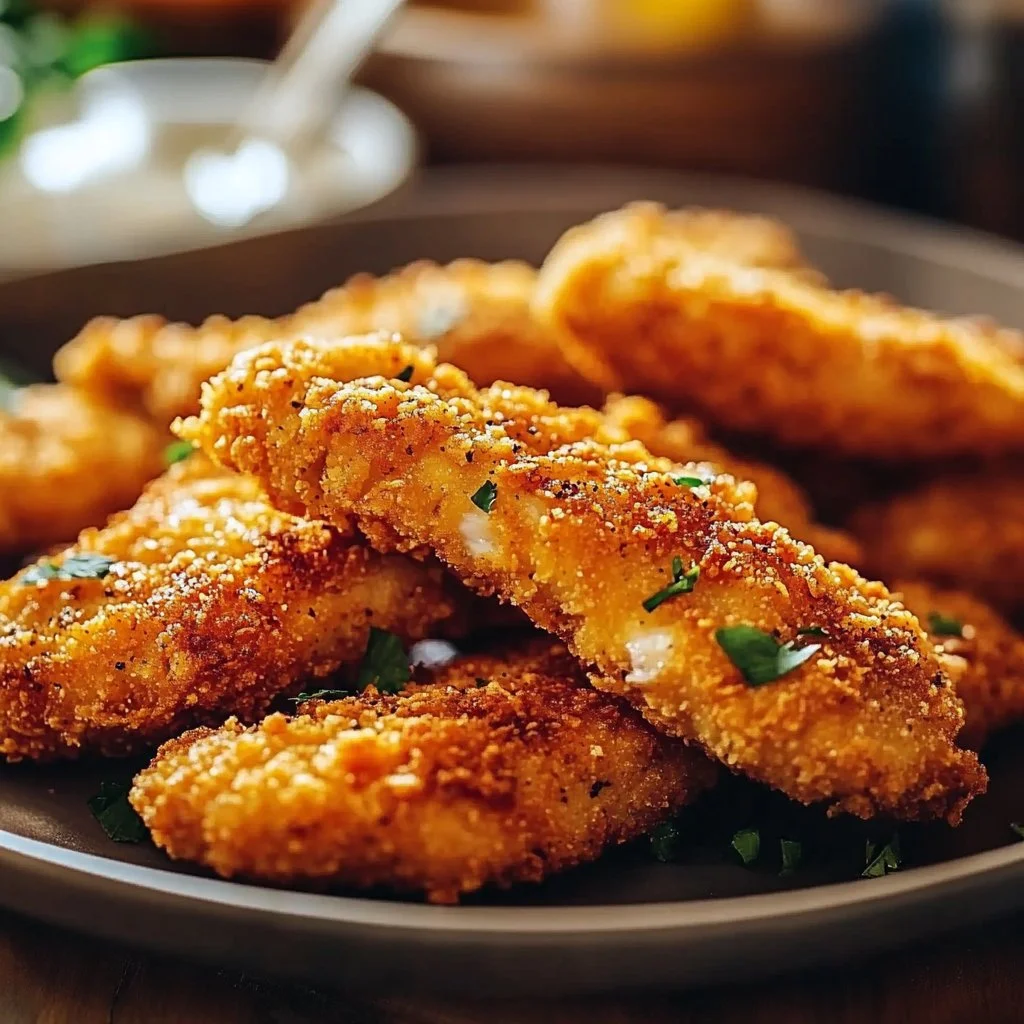
This recipe is small steps that add up to a dependable result. Homemade Baked Chicken Tenders give you a crisp outside and a tender, juicy inside without a deep fryer or a long list of ingredients. The method is simple: flour to help the egg stick, egg to hold the crumbs, and seasoned breadcrumbs for texture and flavor. It is straightforward, and that kind of clarity matters on weeknights and quiet weekends alike.
These tenders fit modern home cooking because they respect time and taste. They do not require advanced technique, yet they benefit from small details: dry chicken before breading, a properly heated oven, and a light spray of oil so crumbs turn golden. Taste and texture respond to those choices, and the result feels like food you made with care.
The recipe also supports family meals, lunches, and leftovers. You can make a batch, serve what you need now, and store the rest for another easy meal. That practicality is part of what makes this dish a keeper.
Bringing Homemade Baked Chicken Tenders Together Gently
“Good recipes should feel calm, not complicated.”
The process is steady and soothing. First there is the easy setup of a breading station, which creates a little assembly line. From there, each tender moves through three simple steps and lands on a parchment-lined baking sheet. While the oven does most of the work, you pay attention to small signals: crumbs turning lightly golden, edges setting, and the faint, warm scent rising as the tenders finish.
Texture is the quiet star here. The flour gives a thin base, the egg adds stick and moisture, and the breadcrumbs form a light crisp shell. Garlic powder and paprika add warmth and subtle depth, while salt and pepper balance the flavors. These roles are intentional; each ingredient does a small job to make a whole that is dependable and pleasant.
Timing matters in a gentle way. Bake at a steady 400°F (200°C) and check for an internal temperature of 165°F if you use a thermometer. If not, look for clear juices and an even golden color. The cues are simple, and once you know them, you will feel confident.
Gathering the Ingredients
Here is what to have on hand before you begin. Each item matters in an easy, practical way.
1 pound chicken breast tenders
1 cup breadcrumbs
1/2 cup flour
2 eggs
Salt and pepper to taste
1 teaspoon garlic powder
1 teaspoon paprika
Cooking spray
A few quick notes about these ingredients. Use chicken tenders that are similar in size so they cook evenly. Room-temperature eggs blend more smoothly and coat more consistently than cold eggs. Breadcrumbs can be plain or seasoned; plain gives you control over the salt and spice. The flour helps the egg adhere and gives a thin barrier that keeps moisture in. Garlic powder adds a soft savory note, while paprika gives a warm color and gentle flavor. A light spray of oil helps the breadcrumbs brown in the oven without excess fat.
Step-by-Step Directions
- Preheat the oven to 400°F (200°C).
Set a rack in the middle and allow the oven to come fully up to temperature. You want a steady, even heat so the crumbs brown gently and the chicken cooks through. - Set up a breading station with three plates: one with flour, one with beaten eggs, and one with breadcrumbs seasoned with salt, pepper, garlic powder, and paprika.
Arrange the plates in a line so each tender moves easily from one to the next. Beat the eggs until smooth and season the breadcrumbs evenly. - Dip each chicken tender in flour, then in eggs, and finally in breadcrumbs, ensuring they are fully coated.
Pat excess flour off before the egg so the coating does not clump. Press the crumbs gently so they adhere, and check for even coverage across each piece. - Place the coated tenders on a baking sheet lined with parchment paper and lightly spray with cooking spray.
Give each tender a little space so hot air can move around them. A light spray on top helps the surface turn a warm golden color. - Bake for 15-20 minutes, turning halfway through, until golden brown and cooked through.
Watch for the surface turning lightly golden and the edges setting. If you flip once, do it gently to keep the coating intact. - Serve hot with your favorite dipping sauce.
Let the tenders rest a minute so they set, then serve warm. The inside will feel tender, and the exterior will have a quiet crunch that invites a gentle bite.
Serving Homemade Baked Chicken Tenders Simply
Serve these tenders with ease. A simple platter alongside raw veggies and a small bowl of sauce feels calm and considered. Place a pot of tea or a carafe of iced lemon water on the table, and the meal invites conversation rather than fuss.
These tenders work well with many sides. A green salad, roasted vegetables, or a bowl of rice all fit. If you want to keep things homely and relaxed, offer a mix of sauces mustard, honey, yogurt-based dips, or a classic barbecue. The idea is to keep the table approachable and the serving simple.
For light gatherings, set the tenders on a warm plate and give guests small plates for dipping. For weeknight dinners, arrange the tenders on a tray and let everyone choose their pairing. The quiet satisfaction of an oven at work is part of the pleasure here.
How to Store Homemade Baked Chicken Tenders
These tenders are easy to keep for later. Cool them to room temperature for no more than two hours, then transfer to an airtight container. In the refrigerator they will keep well for 3 to 4 days.
To freeze, arrange the cooled tenders on a sheet in a single layer and flash-freeze for one hour. Then move them into a sealed freezer bag or container with as much air removed as possible. They will keep for up to 2 months. When you are ready to reheat, thaw in the refrigerator overnight for best texture, or bake from frozen with a slightly longer time until heated through and crisp.
Reheating works best in an oven or toaster oven. Preheat to 375°F (190°C) and warm until the outside crisps again and the inside is hot. A short broil at the end, watched carefully, can bring back some of the initial crunch. A microwave will heat quickly but often softens the crust; if you must use it, follow with a minute or two in a hot oven to restore texture.
For packed lunches, pack tenders cold or at room temperature with a small ice pack and a sturdy dip container. They hold up better than many delicate dishes and travel with ease.
Small Tips That Make Baking Easier
- Pan choice: Use a rimmed baking sheet lined with parchment or a silicone mat. The rim keeps juices contained and the liner makes cleanup gentle.
- Oven placement: Position the rack in the center for a steady, even roast. If your oven runs hot or has a strong top element, move the rack slightly lower.
- Breadcrumbs: For a lighter crust, use panko breadcrumbs. For a denser texture, use fine breadcrumbs. If you like extra flavor, toast the crumbs lightly in a dry pan before breading.
- Even size: Trim larger tenders so all pieces match in thickness. Even pieces cook at the same rate and prevent a mix of dry and underdone bites.
- Timing flexibility: If your oven is slower, bake a few minutes longer and check often. If you need a faster finish, a brief increase to 425°F for the last few minutes can help with browning, but watch closely.
Simple Variations
Homemade Baked Chicken Tenders adapt well to small changes. Try them several ways to suit moods and seasons.
- Herb and lemon: Add a teaspoon of dried thyme and a teaspoon of lemon zest to the breadcrumbs for a bright note.
- Cheesy crust: Mix 1/4 cup finely grated Parmesan into the breadcrumbs for a savory edge.
- Spiced-up: Add 1/2 teaspoon cayenne to the breadcrumbs if you like a gentle kick. Adjust to taste so the heat stays supportive.
- Whole-grain crunch: Replace half the breadcrumbs with finely crushed cornflakes for a homey, golden crunch.
- Gluten-free: Use gluten-free flour and breadcrumbs or almond meal to adapt the recipe; baking time may vary slightly.
These variations keep the method the same. The little shifts let you make the dish feel new without changing the easy, steady routine that makes it reliable.
Ways to Adapt Homemade Baked Chicken Tenders
Make the recipe your own in a few focused ways.
- For a lower-sodium option, reduce salt in the breadcrumbs and season the dipping sauce instead.
- For extra moist tenders, brine the chicken quickly in a solution of 1 tablespoon salt dissolved in 2 cups water for 15–30 minutes, then pat dry before breading.
- For a family-friendly version, cut larger tenders into strips for bite-size pieces that children can handle easily.
- For a dinner that stretches, slice the tenders and fold them into a grain bowl with roasted vegetables and a yogurt dressing.
These adjustments keep the cooking calm. Test one at a time and note what you prefer. Small wins build confidence in the kitchen.
FAQs About Homemade Baked Chicken Tenders
Can I make this ahead of time?
Yes. This recipe is forgiving. You can bread the tenders and keep them on a tray lightly covered in the fridge for a few hours before baking. Baking from chilled is fine; add a minute or two if needed. You can also fully bake and reheat later for an easy meal.
Do I need a thermometer to know when they are done?
No, but a thermometer helps. Look for an internal temperature of 165°F (74°C). If you do not use one, check that the juices run clear and the interior is no longer pink. The outer crumb will be lightly golden with set edges.
Can I skip the flour step?
You can, but the flour helps the egg adhere and creates a lighter barrier that keeps moisture in. If you skip it, the crumbs may not stick as well and you could lose some of the crispness.
What if my coatings fall off while baking?
Make sure the chicken is dry before you start. Press the breadcrumbs gently into the surface and give them a light spray of oil before baking. Avoid flipping too roughly; one careful turn at the midpoint is enough.
How do I make the coating extra crispy?
Use panko breadcrumbs for a crunchier texture, and give the finished tenders a light spray of oil before baking. A brief switch to a higher temperature for the last 3–4 minutes can help with browning, watched closely.
A Final Thought From My Kitchen
Cooking should feel like a small, steady practice that leaves you calm and nourished. Homemade Baked Chicken Tenders are that kind of recipe: straightforward, kind to your time, and kind to your table. They reward small care with honest results. When the oven hums and the house smells of warm crumbs and a hint of garlic, you can sit back for a moment and know the meal will be good. Let the process be gentle. Trust the little cues. The simple pleasure of a well-made tender is worth the quiet attention.
Conclusion
If you want to explore another take on oven-baked tenders with a focus on extra crispiness and practical tips, this guide from a well-tested recipe shows a helpful approach: Truly Crispy Oven Baked Chicken Tenders – RecipeTin Eats.
Print
Homemade Baked Chicken Tenders
- Prep Time: 15 minutes
- Cook Time: 20 minutes
- Total Time: 35 minutes
- Yield: 4 servings 1x
- Category: Main Course
- Method: Baking
- Cuisine: American
- Diet: None
Description
Crispy and tender baked chicken tenders, perfect for a simple weeknight dinner or family meal.
Ingredients
- 1 pound chicken breast tenders
- 1 cup breadcrumbs
- 1/2 cup flour
- 2 eggs
- Salt and pepper to taste
- 1 teaspoon garlic powder
- 1 teaspoon paprika
- Cooking spray
Instructions
- Preheat the oven to 400°F (200°C).
- Set up a breading station with flour, beaten eggs, and seasoned breadcrumbs.
- Dip each chicken tender in flour, then in eggs, and finally in breadcrumbs, ensuring they are fully coated.
- Place the coated tenders on a baking sheet lined with parchment paper and lightly spray with cooking spray.
- Bake for 15-20 minutes, turning halfway through, until golden brown and cooked through.
- Serve hot with your favorite dipping sauce.
Notes
For best results, dry chicken before breading and use even-sized tenders for uniform cooking. Adjust seasonings to taste.
Nutrition
- Serving Size: 1 serving
- Calories: 300
- Sugar: 1g
- Sodium: 400mg
- Fat: 10g
- Saturated Fat: 2g
- Unsaturated Fat: 7g
- Trans Fat: 0g
- Carbohydrates: 30g
- Fiber: 3g
- Protein: 25g
- Cholesterol: 80mg
