

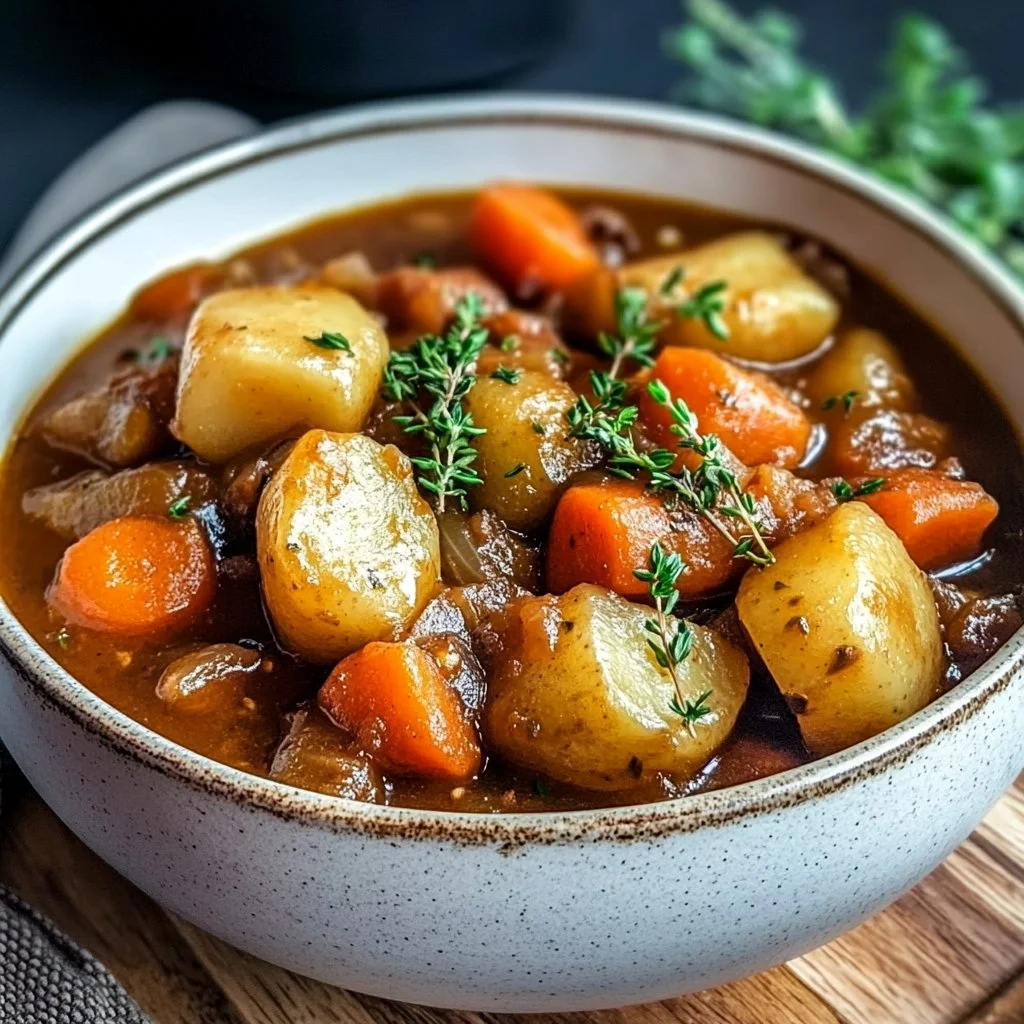
I set a kettle on, peel an onion, and let a slow, steady rhythm take over the kitchen. Making Irish Vegetarian Stew feels like that kind of calm work: simple steps, familiar smells, and a pot that transforms ordinary vegetables into something quietly satisfying. You will meet easy timing, small wins, and a bowl that warms hands and conversation. This recipe for Irish Vegetarian Stew is designed to be approachable and reliable, a steady thing in a busy week.
Why Make This Irish Vegetarian Stew
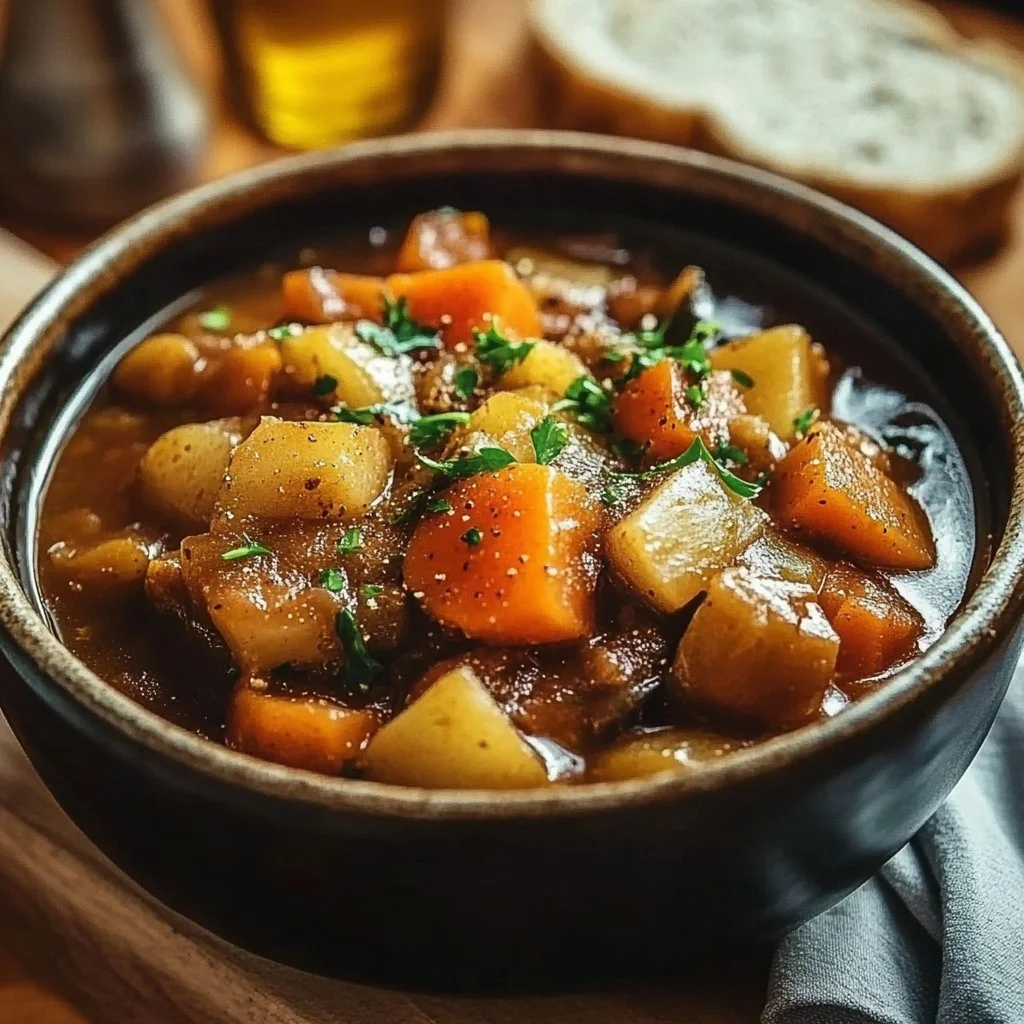
This Irish Vegetarian Stew fits into modern home cooking because it asks for little fuss and gives steady comfort in return. You can rely on the basic ingredients to behave predictably, so the result is the kind of dinner you can trust to work every time.
Root vegetables hold their shape and texture when simmered. Mushrooms add a gentle umami lift. Cooked grains bring a quiet heartiness that keeps the stew filling without being heavy. Together they make a dish that feels thoughtful and kind.
Beyond the bowl, this stew supports everyday routines. It takes a modest window of time to make, and it rewards you with leftovers that taste even better the next day. If you enjoy simple baking projects or occasionally make a simple cake recipe, you will find the same calm satisfaction in this savory dish.
This stew sits well beside a cup of tea, a slice of rustic bread, or as part of a family-friendly dinner where people help themselves. It is uncomplicated, steady, and welcoming.
How to Make Irish Vegetarian Stew
“Good recipes should feel calm, not complicated.”
Begin the process with a clear, short plan. This stew moves in gentle stages: softening aromatics, building layers with roots and mushrooms, adding broth and a simmer, and finishing with bright herbs and cooked grains. The method asks for attention in small stretches rather than a long, concentrated push.
I like to think of each step as a small gesture that changes texture and scent. Onions soften and become sweet. Carrots and parsnips release a faint, earthy perfume. Potatoes swell and hold shape. Mushrooms give an easy, savory note. Once the broth joins the pot, everything relaxes into a steady simmer and becomes cohesive.
Timing is forgiving. Simmering until vegetables are tender will usually give you the texture you want. If you cook the stew a little longer, the roots will break down more and the dish will feel stewier. If you stop earlier, it will keep more structure. Either way, it will taste satisfying.
This approach pairs well with other simple kitchen routines. You might be familiar with everyday baking, no-fuss desserts, or homemade dessert recipes that value rhythm over perfection. The same principle applies here: steady, kind attention brings out the best in humble ingredients.
Gathering the Ingredients
2 tablespoons olive oil
1 onion, chopped
3 carrots, sliced
2 parsnips, sliced
2 potatoes, diced
1 cup mushrooms, sliced
4 cups vegetable broth
1 cup green peas
1 cup cooked grains (such as barley or quinoa)
2 tablespoons fresh parsley, chopped
1 teaspoon thyme
Salt and pepper to taste
Each ingredient plays a purposeful role. Olive oil is the first flavor the pan meets, and it carries heat evenly across the pot. The onion provides sweetness and a foundation. Carrots and parsnips add both color and a gentle, sweet earthiness. Potatoes give body and a soft bite that anchors the stew.
Mushrooms contribute savory depth without meat. The vegetable broth unites the ingredients and sets the stew’s intensity. Green peas add a pop of color and a restrained sweetness near the end, while cooked grains give texture and substance. Fresh parsley brightens the finish, and thyme offers a restrained herbal note. Salt and pepper balance everything.
Notes on choices
- Use a neutral-tasting olive oil. It warms flavors without overpowering them.
- If you choose barley, expect a chewy, grainy texture that feels classic and comforting.
- Quinoa will lighten the dish and provide a little more protein per bite.
- Fresh herbs make a clear difference. Parsley keeps the stew feeling bright.
Step-by-Step Directions
- Heat olive oil in a large pot over medium heat.
Warm the oil until it shimmers but does not smoke.
Give the pot a moment to settle so the heat spreads evenly. - Add the chopped onion and sauté until translucent.
Stir often so the onion becomes soft and fragrant.
Watch for an even, pale color without heavy browning. - Add the carrots, parsnips, and potatoes, and cook for about 5 minutes.
Move the vegetables so they catch the oil and warmth.
Notice how the edges begin to look slightly glossy and tender. - Stir in the mushrooms and cook until softened.
Let the mushrooms release their moisture and quiet their rawness.
They will shrink and deepen in color as they become more savory. - Pour in the vegetable broth and bring to a boil.
Pour steadily to avoid splashing and stir once to lift any bits from the pot base.
A gentle boil will rise, then settle into a simmer. - Lower the heat and simmer for 15-20 minutes until the vegetables are tender.
Let the stew breathe at a low simmer so flavors marry slowly.
Use a fork to check tenderness; the vegetables should be soft but not falling apart. - Stir in the green peas and cooked grains.
Fold them in gently so the peas keep their bright color.
The grains will blend into the broth and add a steady, pleasing texture. - Add thyme, parsley, salt, and pepper to taste.
Sprinkle the herbs and taste as you go, adding small adjustments.
The fresh parsley will lift the stew and thyme will round the flavor. - Serve warm and enjoy your hearty Irish Vegetarian Stew!
Spoon into bowls and offer bread or a simple side if you like.
Let the stew sit a minute if it needs to cool before serving.
While following these steps, notice the sensory cues that tell you the pot is moving through stages. The onion will go from firm to soft and translucent. The vegetables will shift from raw bite to tender yield. A light steam will rise as the broth settles. These cues are small reassurances that the stew is progressing.
Serving Irish Vegetarian Stew Simply
Bring the pot to the table and let people serve themselves. A spacious bowl and a spoon do the honest work. A slice of rustic bread or a small green salad pairs easily and keeps the meal grounded.
If you like, place a small dish of extra parsley and black pepper nearby so guests can finish to taste. A warm mug of tea or a quiet cup of coffee will complement the stew without competing.
For weeknight family dinners, set the table simply. Use a cloth or placemats, keep utensils ready, and let the stew be the center. The unpretentious nature of the stew makes it suited to casual gatherings and to quieter evenings alike.
If you are serving after a busy day, keep the pace easy. Ladle, pass the bread, and let conversation fill the pauses. The stew invites slow hands and calm mouths.
Looking for easy dinner ideas?
Explore our Easy Dinner collection for simple, comforting meals made for busy weeknights. These recipes use everyday ingredients and clear steps to help you get dinner on the table without stress.
Saving Some for Later
This stew stores very well. Cool it to near room temperature before refrigerating. Transfer to an airtight container and place in the refrigerator for up to four days. Reheat gently on the stovetop over medium-low heat, adding a splash of water or stock if it seems thick.
To freeze, cool fully, then portion into freezer-safe containers. Label and date each container. The stew freezes well for up to three months. Thaw in the refrigerator overnight before reheating slowly on the stove.
When reheating from frozen, allow extra time. Start over low heat, stir occasionally, and check texture. Flavors often settle and meld further after resting, so refrigerated leftovers can taste even better the next day.
Make-ahead logic
- Make the stew a day ahead to save time on a busy evening.
- Cook the grains separately if you plan to keep them firmer; otherwise fold them in before storing.
- If you prefer a thinner broth after refrigeration, add a small amount of hot water when reheating.
Small Tips That Make Cooking Easier
Choose the right pot
A medium to large heavy-bottomed pot gives even heat and less chance of hot spots. Cast iron or enameled pots work well and hold warmth on the table.
Mind the heat
Start at medium heat to sauté and then lower to a gentle simmer. A steady low simmer helps the vegetables cook evenly without breaking down too fast.
Timing flexibility
If life interrupts the simmer, you can lower the heat more and finish later. The stew will wait and remain forgiving.
Substitutions that keep things simple
Swap parsnips for turnips or sweet potato for a slightly sweeter result. If you do not have mushrooms, an extra cup of diced potato or a can of rinsed white beans will still add body.
Texture fixes
If the broth feels thin, gently mash a few potatoes or use an immersion blender briefly to thicken part of the stew. If it feels too thick, add a little simmering water until it reaches the consistency you prefer.
Pan and oven notes
This recipe is stove-based and does not require oven use. If you prefer an oven finish, transfer the pot to a 350°F oven for a short, covered rest to meld flavors, but this step is optional.
Simple Variations
Add a brighter finish
Finish with a squeeze of lemon or a small splash of apple cider vinegar. The acid will brighten the stew and make the flavors pop.
Make it heartier
Add a can of drained white beans or a cup of lentils for extra protein. Stir them in at the same time you add the cooked grains.
Change the grain
Use pearl barley for a nutty chewiness or quinoa for a lighter, slightly nutty texture. Farro or brown rice also work well.
Seasonal adjustments
In autumn, add diced squash for a sweet counterpoint. In spring, toss in tender greens like spinach in the last five minutes of cooking.
Herbal shifts
If you prefer rosemary over thyme, use a small sprig removed before serving. Tarragon will bring a faint anise note if that suits your taste.
Minimal richness
For a creamier finish without dairy, swirl in a little coconut milk or a splash of plant-based cream at the end. This makes the stew silkier and more warming.

Irish Vegetarian Stew
- Prep Time: 15 minutes
- Cook Time: 30 minutes
- Total Time: 45 minutes
- Yield: 4 servings 1x
- Category: Main Course
- Method: Stovetop
- Cuisine: Irish
- Diet: Vegetarian
Description
A comforting Irish Vegetarian Stew made with root vegetables, mushrooms, and grains, perfect for a cozy dinner.
Ingredients
- 2 tablespoons olive oil
- 1 onion, chopped
- 3 carrots, sliced
- 2 parsnips, sliced
- 2 potatoes, diced
- 1 cup mushrooms, sliced
- 4 cups vegetable broth
- 1 cup green peas
- 1 cup cooked grains (such as barley or quinoa)
- 2 tablespoons fresh parsley, chopped
- 1 teaspoon thyme
- Salt and pepper to taste
Instructions
- Heat olive oil in a large pot over medium heat until shimmering.
- Add the chopped onion and sauté until translucent.
- Add the carrots, parsnips, and potatoes; cook for about 5 minutes.
- Stir in the mushrooms and cook until softened.
- Pour in the vegetable broth and bring to a boil.
- Lower the heat and simmer for 15-20 minutes until the vegetables are tender.
- Stir in the green peas and cooked grains.
- Add thyme, parsley, salt, and pepper to taste.
- Serve warm and enjoy your hearty Irish Vegetarian Stew!
Notes
Store leftovers in an airtight container in the refrigerator for up to four days or freeze for up to three months.
Nutrition
- Serving Size: 1 serving
- Calories: 350
- Sugar: 5g
- Sodium: 400mg
- Fat: 12g
- Saturated Fat: 4g
- Unsaturated Fat: 6g
- Trans Fat: 0g
- Carbohydrates: 45g
- Fiber: 3g
- Protein: 15g
- Cholesterol: 30mg
FAQs About Irish Vegetarian Stew
Can I make this ahead of time?
Yes. This recipe is forgiving. Making it ahead often makes serving easier and lets the flavors settle naturally. Reheat gently before serving.
Is this gluten-free?
The stew itself is gluten-free if you use quinoa or rice as your cooked grain. If you choose barley, it will contain gluten. Choose grains intentionally based on dietary needs.
How do I thicken the stew without flour?
Mash a few potatoes in the pot, or blend a small portion of the stew and stir it back in. Cooked grains like barley also help thicken naturally.
Can I add protein like tofu or tempeh?
Yes. Firm tofu or cubed tempeh can be browned separately and folded in near the end. Beans are another easy way to add protein without changing the method.
What if my vegetables start to break down?
If they break down a little, that is fine. The stew will become thicker and more unified. If you prefer distinct pieces, check for tenderness around the 15-minute mark and remove from heat earlier.
A Final Thought From My Kitchen
I come back to this kind of cooking because it gives quiet confidence. The steps are plain, the ingredients are honest, and the rewards are immediate. There is a small joy in watching a pot change, one layer at a time, into something warm and sustaining.
If you are someone who values everyday baking, family-friendly desserts, or no-fuss desserts in your kitchen routine, you will find similar ease with savory dishes like this stew. It asks for moments of attention, then releases you to do other things while it simmers.
Treat the recipe as a dependable tool rather than a strict rule. Swap a grain, alter an herb, and adjust salt patiently. Let the smell of the onion and thyme be a gentle timer. Let each spoonful feel like a quiet assurance that simple, thoughtful cooking will do what it promises.
Conclusion
If you are looking for a well-tested vegan option that explores these same comforting flavors, consider It Doesn’t Taste Like Chicken’s vegan Irish stew for a closely related take that expands on plant-based textures and seasonings.