

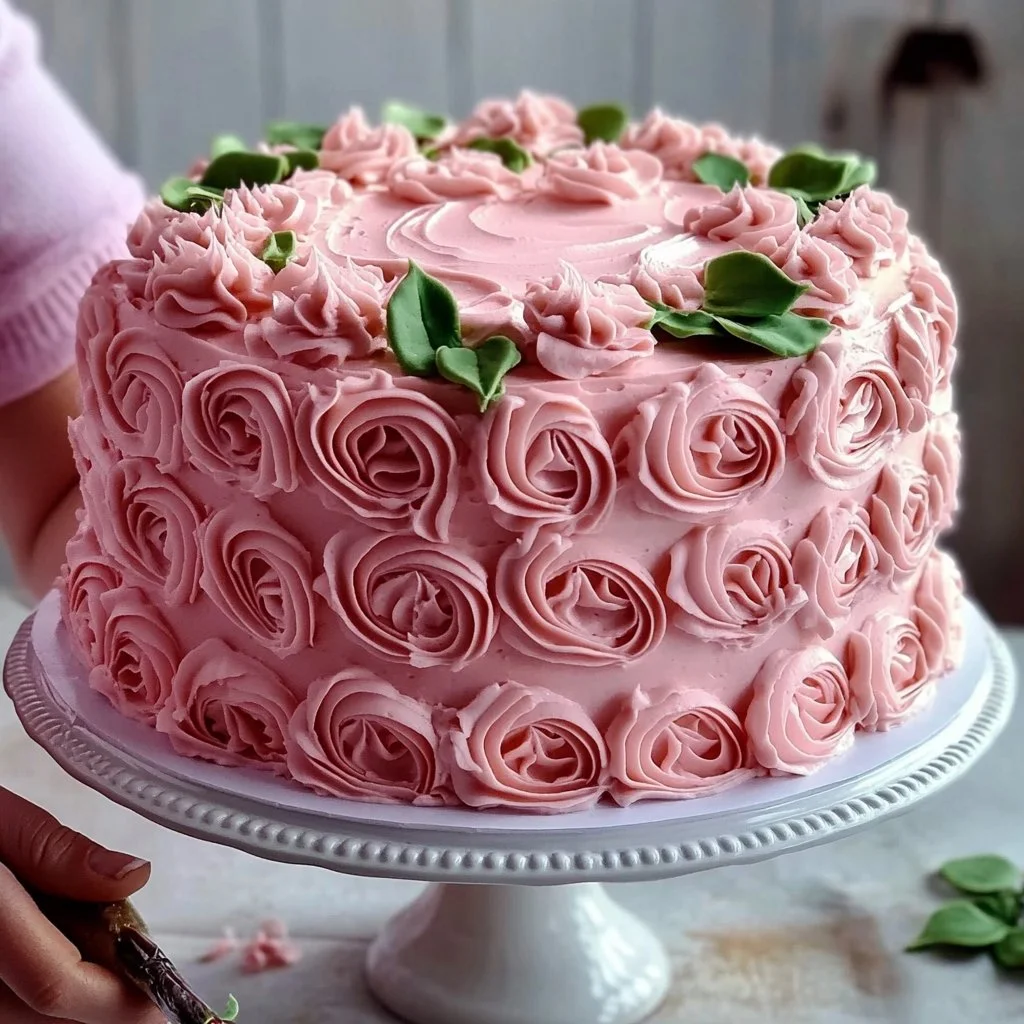
Begin with a quiet moment at the kitchen counter, a late afternoon light that softens the room and the idea that something simple baking can make the day feel settled. I reach for a heart-shaped pan and think of small, steady acts: measuring flour, softening butter, stirring until the batter looks just right. This is Vintage Heart Cake, a simple cake that asks for calm attention and returns a warm, unfussy dessert that fits a weeknight or a small celebration alike. If you enjoy low-pressure baking that still feels thoughtful, you may also like this heart-shaped cookie cake recipe which shares that same easy, cozy energy.
Why Vintage Heart Cake Works So Well Every Time
This cake lives where home cooking is kind and reliable. It is not about showy techniques or rare ingredients. It is a straight-forward, approachable batter that responds well to common care. The balance of butter and sugar creates tenderness. The eggs give structure while the milk keeps the crumb soft and even.
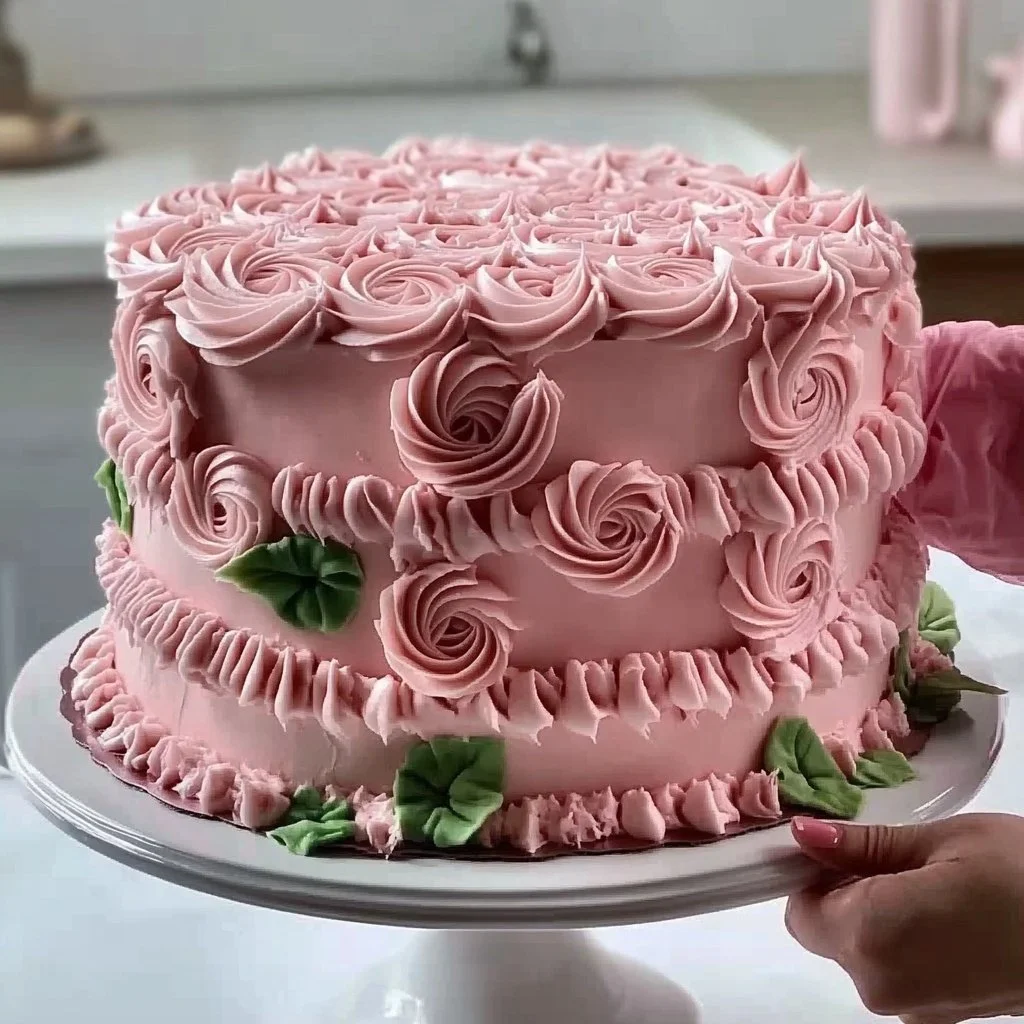
I have a few reasons I come back to this recipe. It mixes quickly in a bowl you already have. The timing is predictable. The cake rises gently and sets into a fine, even crumb that behaves well when frosted. That predictability matters when you want a dessert that will not demand heroic effort. It is a friend for afternoons when you want to bake and a reliable companion for family desserts.
This cake also fits everyday schedules. The bake time is modest and the cake withstands a day or two of waiting in the fridge without losing its charm. It pairs well with many easy frostings. You can keep it simple with a classic buttercream or make a lighter glaze if you prefer.
Bringing Vintage Heart Cake Together Gently
“Good recipes should feel calm, not complicated.”
Before we list the ingredients, picture the rhythm of making this cake. You will whisk dry ingredients in one bowl and cream butter and sugar in another. Then you will add eggs slowly and fold the flour in with milk. The batter will thicken and smooth out. The oven will do its quiet work, and the kitchen will fill with a warm, gentle scent as the surface turns lightly golden.
The process is forgiving. Small shifts in mixing speed or a slightly warmer oven will not ruin it. From there, a soft buttercream takes it to a finished cake that looks cared for without fuss. This overview keeps things calm and reliable, which is exactly what you want in everyday baking.
What You’ll Need to Make Vintage Heart Cake
2 1/2 cups all-purpose flour
2 1/2 tsp baking powder
1/2 tsp salt
1 cup unsalted butter, softened
2 cups sugar
4 large eggs
1 tsp vanilla extract
1 cup milk
Buttercream frosting (for decorating)
Food coloring (optional for decoration)
Piping tips
Each item plays a clear role. Flour gives the cake its body and crumb. Baking powder lifts and gives the cake a gentle spring. Salt brightens the flavors. Unsalted butter lets you control salt; soften it so it creams smoothly with sugar. Full-fat dairy like whole milk gives better structure and moisture than low-fat options. Room-temperature eggs blend more smoothly and trap air better, which helps the cake rise and keeps it tender.
Use simple, fresh ingredients where you can. Good butter makes a noticeable difference in flavor. Plain granulated sugar gives structure and sweetness while helping the cake brown lightly. The buttercream is flexible; a classic American buttercream keeps things easy, while Swiss or Italian buttercream will feel silkier if you want to spend a little more time.
Step-by-Step Directions
- Preheat the oven to 350°F (175°C). Grease and flour two heart-shaped cake pans.
- Place the pans in the oven area you plan to use so they are ready when the batter is mixed.
- A warm, even oven will help the cake rise steadily and set with an even color.
- In a bowl, mix the flour, baking powder, and salt.
- Stir until the baking powder is evenly distributed and there are no visible clumps.
- This dry mix will keep the rise even and avoid pockets of leavening.
- In another bowl, cream the butter and sugar until light and fluffy. Add the eggs one at a time, and then stir in the vanilla extract.
- Beat until the mixture looks pale and slightly aerated. Each egg should be fully incorporated before you add the next.
- The batter will feel smoother and a little lighter when the eggs and butter are well blended.
- Gradually add the dry ingredients to the wet mixture, alternating with milk, until smooth.
- Fold in the flour in thirds, adding milk between additions to keep the batter soft and even.
- The batter will thicken to a texture that pours slowly but holds its shape briefly on a spoon.
- Divide the batter between the two pans and bake for 25-30 minutes or until a toothpick comes out clean.
- Set the pans on the middle rack and avoid opening the oven during the first 20 minutes.
- You will see the edges set and pull slightly away, and the surface turn lightly golden.
- Let the cakes cool completely before removing from pans.
- Place the pans on a wire rack and let steam release for 10 minutes, then invert to loosen.
- Cooling fully prevents the frosting from sliding and keeps slices neat.
- Frost the cooled cakes with buttercream frosting. Use piping tips for decorative designs.
- Start with a thin crumb coat to lock in any loose crumbs, then chill briefly and add a final layer.
- Smooth or pipe as you like; keep the pressure steady when piping for consistent lines.
- Add food coloring to frosting if desired and pipe on decorations.
- Mix color sparingly and test on a small spoon until you reach the shade you like.
- Let the cake rest a short while after decorating so the icing sets before serving.
Bringing Vintage Heart Cake to the Table
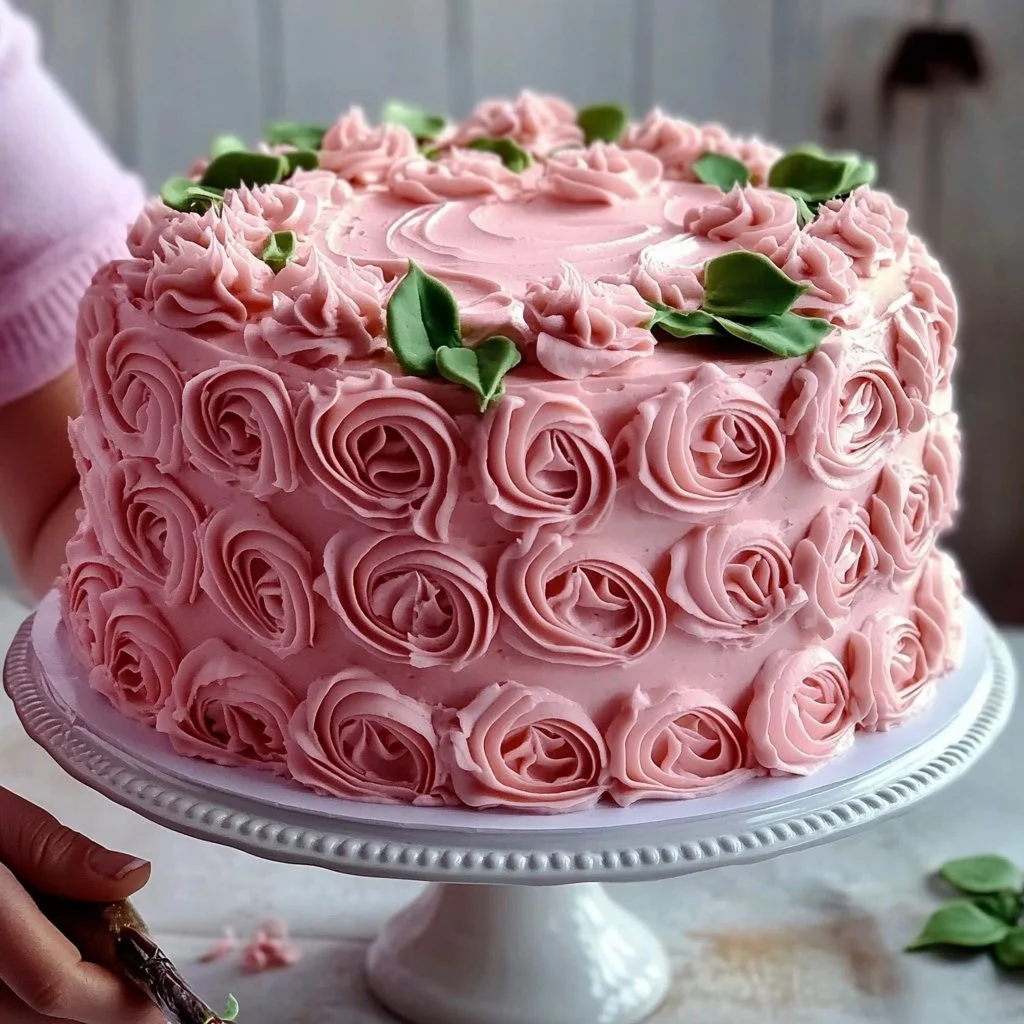
I like to serve this cake without much fanfare. A slice with a cup of tea, a casual coffee, or a small scoop of vanilla ice cream feels calm and complete. The cake keeps a modest presence on the table and invites conversation more than spectacle.
For a cozy afternoon, plate a modest slice and sit with the people you love. For a small gathering, arrange the two heart layers side by side or stack them with a thin layer of buttercream between. The cake fits both quiet rituals and gentle celebrations.
For a morning or brunch vibe, pair small slices with a simple fruit salad and a warm mug. You can also serve it after a light dinner as an everyday dessert. If you want to pair with other easy dishes, try a lightly sweetened baked pancake or a casual fruit tart.
I also find the cake pairs well with other simple breakfast or brunch items like baked protein pancake bowls when you are setting a relaxed table that spans morning through afternoon.
How to Store Vintage Heart Cake
This cake stores well and gives you flexibility. For short term, cover it loosely at room temperature for up to two days. Keep it on a cake stand with a lid or under a bowl to avoid drying.
If you plan to keep it longer, refrigerate in an airtight container for up to five days. The buttercream will firm slightly in the fridge, which can be helpful if you have decorations that need to hold their shape.
For freezing, wrap slices or whole layers tightly in plastic wrap, then in foil, and freeze for up to two months. Thaw overnight in the refrigerator and then bring to room temperature for a few hours before serving. If you want the frosting restored to a softer texture, let the cake sit at room temperature for an hour or two after thawing.
When reheating single slices, warm briefly in a low oven or microwave just until the cake is pleasantly warm, not hot. Gentle warmth brings back the fresh-baked aroma and soft crumb without altering the frosting too much.
Small Tips That Make Baking Easier
- Pan size and placement matter. If your heart pans are slightly larger or smaller, watch the cake after 20 minutes. Rotate pans once halfway through the bake if your oven has a hot spot.
- Room-temperature ingredients blend smoothly. Take butter and eggs from the fridge an hour before you plan to start. If you forget, place eggs in warm water for 10 minutes to take the chill off.
- Watch texture, not just time. The toothpick test is reliable. If it comes out with a few moist crumbs the cake is done. If batter sticks, give it a few more minutes and check again.
- Adjustments for altitude or humidity are small. At higher altitude, you can reduce baking powder by a little and increase liquid by a teaspoon or two if the batter seems thick. In humid weather, a slightly longer bake time can help the cake set.
- Substitutions are gentle. For a dairy swap, use a plant-based milk of similar fat and flavor for a close result. Use unsalted butter and add salt to taste. These small swaps keep the technique intact.
Simple Variations
- Lemon Vintage Heart Cake
- Add two teaspoons of lemon zest to the butter-sugar mixture and replace half the vanilla with lemon extract. Fold in a tablespoon or two of fresh lemon juice with the milk. The cake brightens and pairs wonderfully with a light lemon buttercream.
- Almond-Style Heart Cake
- Replace half a teaspoon of vanilla with almond extract and add a tablespoon of finely ground toasted almonds to the dry mix. The crumb becomes a touch more delicate and nutty, which pairs nicely with pale pink frosting.
- Chocolate Swirl Heart Cake
- Reserve half a cup of batter and stir in two tablespoons of cocoa powder with a tablespoon of milk. Drop spoonfuls of plain and cocoa batter into the pans and swirl gently with a knife. This keeps everything simple while adding visual interest.
- Fruit and Jam Layered Cake
- Use a thin layer of jam between the stacked heart layers before frosting. Raspberry or apricot jam gives a pleasant tart contrast. Keep the layer thin so the cake slices remain tidy.
- Light Glaze Option
- For a no-fuss finish, skip heavy buttercream and make a simple powdered sugar glaze with milk and vanilla. It keeps things light while still offering a sweet sheen.
Each variation keeps the base technique intact. I recommend starting with the classic and trying one small change the next time. That way you learn what each tweak does to texture and taste without raising the stress level.
FAQs About Vintage Heart Cake
Can I make this cake ahead of time?
Yes. This recipe is forgiving. Making it a day ahead lets the flavors settle and makes serving easier. Keep the frosted cake covered in the fridge until about 30 minutes before serving so it comes to a gentle room temperature.
What if my cake sinks slightly in the center?
A slight sink often happens if the cake is opened too early or if a lot of air was incorporated too quickly. If the center sinks, fill it with a thin layer of frosting or jam and cover with a final frosting layer. The flavor remains good and the texture will still be pleasant.
My buttercream seems grainy after mixing. What went wrong?
Grainy buttercream usually means the sugar did not fully dissolve or the butter was too cold. To fix it, keep beating gently a little longer; if needed, add a teaspoon of warm milk to soften and continue beating. Room-temperature butter and powdered sugar help you get a creamy finish.
Can I use different pans if I do not have heart-shaped ones?
Absolutely. Two rounds of the same diameter or one larger round will work. If you use two rounds, stack them with a thin filling or place them side by side for a similar effect. The baking time may change slightly with different sizes, so watch the cake and test with a toothpick.
How do I prevent the frosting from sliding off?
Make sure the cake is fully cool before frosting. Apply a thin crumb coat first and chill for 15 to 20 minutes to set. Use slightly stiffer frosting for the final layer if your cake will sit in a warm room. A chilled cake and slightly firmer buttercream reduce sliding.
A Final Thought From My Kitchen
Baking this Vintage Heart Cake is an invitation to slow down in a small, practical way. The steps are simple. The results are kind to the baker and to those who will eat the cake. You do not need perfect tools or perfect timing to make something that looks tender and tastes honest.
I often think about the little satisfactions that come from such recipes. The first scent of butter and sugar as the cake starts to brown, the feel of a spoon wiping clean, the quiet of a counter cleared and a cake cooling. These are small markers of a day that has been made a little softer.
If you make this cake, give yourself permission to keep it simple. Let the batter rest a moment between steps, keep the frosting gentle, and enjoy the ease of a dessert that asks for calm attention and gives back warmth.
Conclusion
For a reference to a professionally finished version and inspiration for final touches, you can view the White Vintage Heart Cake at SusieCakes which shows one way this classic shape can be presented and decorated.
Print
Vintage Heart Cake
- Prep Time: 15
- Cook Time: 30
- Total Time: 45
- Yield: 8 servings 1x
- Category: Dessert
- Method: Baking
- Cuisine: American
- Diet: Vegetarian
Description
A simple and reliable heart-shaped cake that brings warmth and joy to weeknight desserts or small celebrations.
Ingredients
- 2 1/2 cups all-purpose flour
- 2 1/2 tsp baking powder
- 1/2 tsp salt
- 1 cup unsalted butter, softened
- 2 cups sugar
- 4 large eggs
- 1 tsp vanilla extract
- 1 cup milk
- Buttercream frosting (for decorating)
- Food coloring (optional for decoration)
- Piping tips
Instructions
- Preheat the oven to 350°F (175°C). Grease and flour two heart-shaped cake pans.
- In a bowl, mix the flour, baking powder, and salt until evenly distributed.
- In another bowl, cream the butter and sugar until light and fluffy. Add eggs one at a time, then stir in the vanilla extract.
- Gradually add the dry ingredients to the wet mixture, alternating with milk, until smooth.
- Divide the batter between the two pans and bake for 25-30 minutes or until a toothpick comes out clean.
- Let the cakes cool completely before removing from pans.
- Frost the cooled cakes with buttercream frosting using piping tips for decorative designs.
- Add food coloring to frosting if desired and pipe on decorations.
Notes
For best results, use room-temperature ingredients and keep the cake covered to maintain moisture.
Nutrition
- Serving Size: 1 slice
- Calories: 350
- Sugar: 24g
- Sodium: 200mg
- Fat: 16g
- Saturated Fat: 10g
- Unsaturated Fat: 4g
- Trans Fat: 0g
- Carbohydrates: 45g
- Fiber: 1g
- Protein: 4g
- Cholesterol: 80mg