
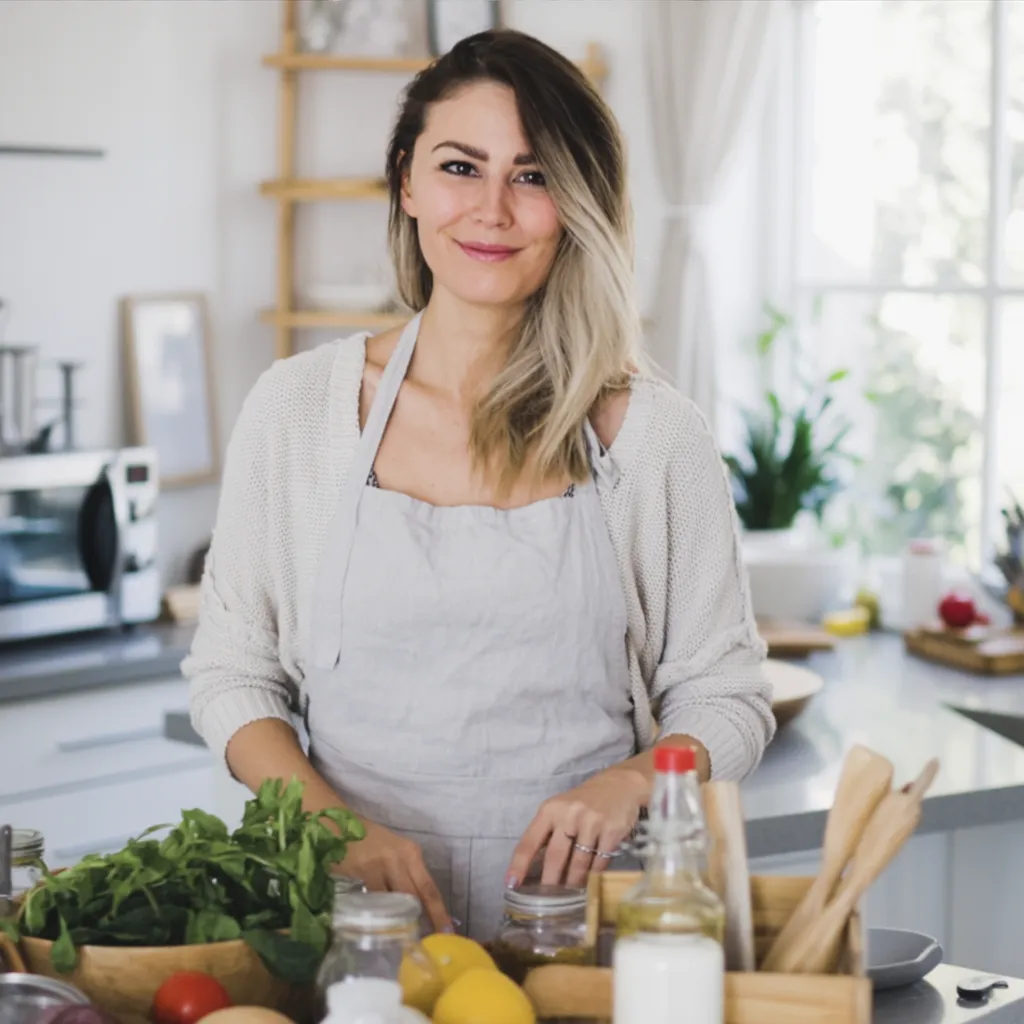
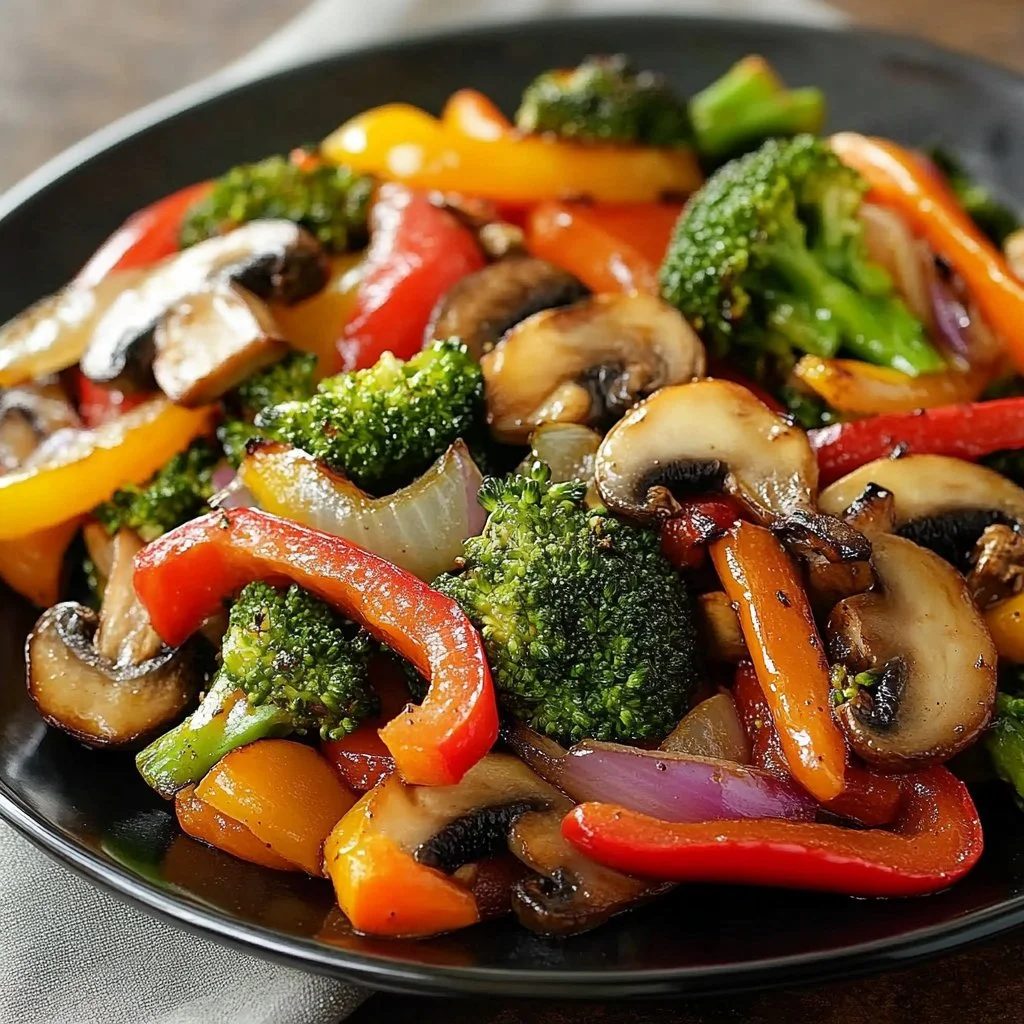
I stand at the stove with a small bowl of washed vegetables and a clear plan. The idea of Healthy Sautéed Vegetables – Quick, Flavorful & Nutritious Side feels simple and steady, the kind of dish that calms the evening and keeps dinner honest. I lean into the routine of washing, slicing, and warming the pan, knowing that a little attention now will pay off with bright texture and gentle caramelization. If you enjoy assembling quick, nourishing plates or pairing a vegetable-forward side with a weeknight main, you might also like a one-pan dinner such as healthy chicken and vegetables skillet, which brings the same ease to the table.
Why Healthy Sautéed Vegetables – Quick, Flavorful & Nutritious Side Works So Well
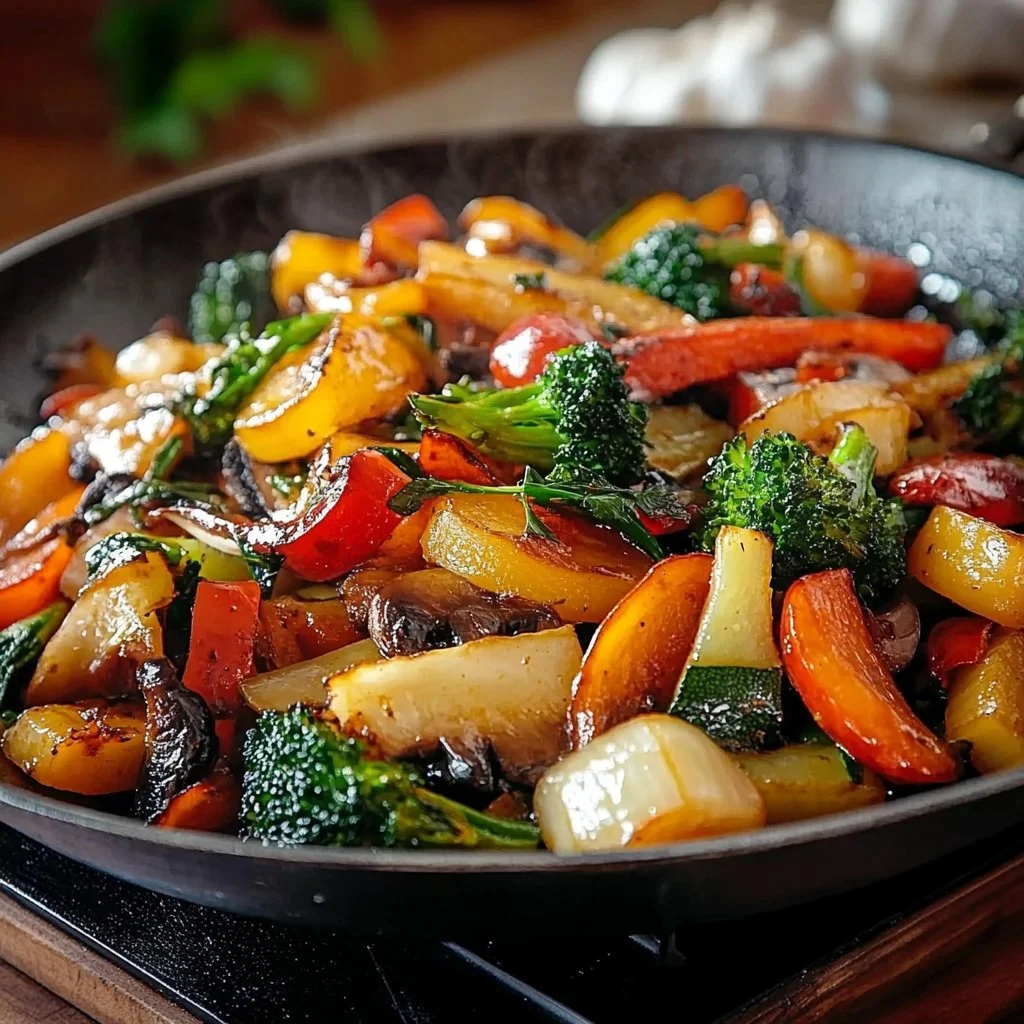
This recipe fits modern home cooking because it focuses on clarity. Each ingredient has a role and each step has a purpose. From the crispness of snap peas to the soft edges of zucchini, the recipe is about balancing textures and timing. It does not require fuss, special tools, or long waits.
The dish is reliable. A hot pan, good oil, and even-sized cuts give you predictable results. You will taste freshness first and a warm, savory finish second. These vegetables complement proteins, grains, and lighter desserts without clashing, so the meal feels composed and easy to serve.
For households that move between busy evenings and quiet weekends, this side is a reliable companion. It takes a familiar rhythm: prepare, heat, sauté, season, and serve. The payoff is immediate and pleasing. Meanwhile, the method is forgiving; small differences in size or heat rarely ruin the dish. That steadiness makes cooking feel calm, and it lets you focus on good company, a simple salad, or the small joy of an everyday dessert afterward like no-fuss desserts you can pull together while the vegetables rest.
Bringing Healthy Sautéed Vegetables – Quick, Flavorful & Nutritious Side Together Gently
“Good recipes should feel calm, not complicated.”
This recipe is a short, gentle sequence. Wash and cut the vegetables to similar sizes so they cook evenly. Warm the pan, add oil, and build flavor with garlic and onion. Start with the firmer vegetables, then add the softer ones so everything finishes at the same time. A splash of acid or a touch of soy sauce at the end ties the flavors together.
Texture is central. The goal is crisp-tender vegetables with a few lightly golden edges and a bright finish. Timing matters more than exact minutes. Trust the sound and sight of the pan: a steady sizzle and small pockets of golden color are your cues. From there, seasoning and a few finishing touches bring balance and a soft, satisfying aroma that invites people to sit down.
What You’ll Need to Make Healthy Sautéed Vegetables – Quick, Flavorful & Nutritious Side
- 2 tbsp olive oil (or avocado oil or butter)
Olive oil gives a neutral, fruity note while butter adds richness. Avocado oil tolerates higher heat. Choose what fits your mood. - 2 cloves garlic, minced
Garlic adds warmth and depth. Mince just before cooking for the freshest aroma. - 1 small onion, thinly sliced
Onion provides a sweet backbone. Thin slices soften quickly and mingle with other vegetables. - 1 bell pepper, sliced
Bell pepper offers color and a bright, slightly sweet crunch. - 1 zucchini, sliced into half-moons
Zucchini cooks quickly; slice evenly to avoid a few overly soft pieces. - 1 cup broccoli florets
Broccoli adds chew and green color. Cut into small florets so they cook through. - 1 medium carrot, julienned or sliced thin
Carrot brings subtle sweetness and holds its texture under higher heat. - ½ cup snap peas
Snap peas add a fresh snap and a bright green note. - ½ cup mushrooms, sliced
Mushrooms contribute umami and a silky contrast to firmer vegetables. - Salt and black pepper, to taste
Salt is essential for balance. Season gently early and adjust at the end. - 1 tsp lemon juice (optional)
Lemon brightens and lifts the overall flavor. - 1 tsp balsamic vinegar or soy sauce (optional)
Balsamic adds sweetness and depth; soy sauce gives savory complexity. - Optional toppings: toasted nuts, seeds, fresh herbs, grated Parmesan
These add texture, warmth, and a finishing note that changes the character of the dish.
Notes on ingredients: choose firm vegetables without soft spots. Match sizes so pieces cook at similar rates. While this is a savory side, consider how it will sit next to any dinner and even a simple dessert later. A vegetable plate like this pairs well with family-friendly desserts and allows you to offer something comforting and light before moving to a sweet finish, whether that is an easy dessert recipe or a simple cake recipe you keep for small celebrations. For cooks who enjoy baking too, the rhythm here echoes everyday baking: measure, prepare, bake, and rest.
Step-by-Step Directions
-
Prep Vegetables: Wash, peel if needed, and cut all vegetables into uniform pieces.
Arrange them on a tray so everything is ready. Even cuts create even cooking and predictable texture. -
Heat Pan: Place skillet over medium-high heat and add oil.
Heat until the oil shimmers lightly and moves easily in the pan. A thin film of oil prevents sticking. -
Cook Aromatics: Add garlic and onions, sauté 1 to 2 minutes until fragrant.
Stir often so the garlic does not darken. The aroma should be warm and inviting, not sharp. -
Add Harder Vegetables: Add carrots and broccoli first; cook 3 to 4 minutes, stirring frequently.
Let these develop a few lightly golden edges without crowding the pan. They will soften while holding shape. -
Add Softer Vegetables: Add bell peppers, zucchini, mushrooms, and snap peas; sauté another 4 to 5 minutes until crisp-tender.
Keep the vegetables moving so they cook evenly. Look for slight caramelization and bright color. -
Season: Add salt, pepper, and optional flavorings such as lemon juice, balsamic vinegar, or soy sauce.
Taste and adjust. A final splash of acid will lift the flavors and make the dish feel finished. -
Finish & Serve: Toss well and garnish with herbs, seeds, or nuts. Serve immediately for best texture.
Allow the vegetables to rest a minute in the warm pan. The surface will glisten and the edges may turn lightly golden before plating.
Calm sensory cues: you will notice a soft sizzle as vegetables hit the pan, the surface turning lightly golden in places, and an immediate green brightness from ingredients like broccoli and snap peas. If the dish sits a few minutes, the aroma will settle into a pleasant savory note. If you serve alongside a baked sweet, there is an ease in moving from the pan to the table, and later moving to homemade dessert recipes or no-fuss desserts without rush.
In another quiet evening routine I sometimes pair these vegetables with a simple weeknight chicken and vegetables skillet. For that pairing, see an easy chicken and vegetables skillet for a complementary main that shares technique and speed.
Bringing Healthy Sautéed Vegetables – Quick, Flavorful & Nutritious Side to the Table
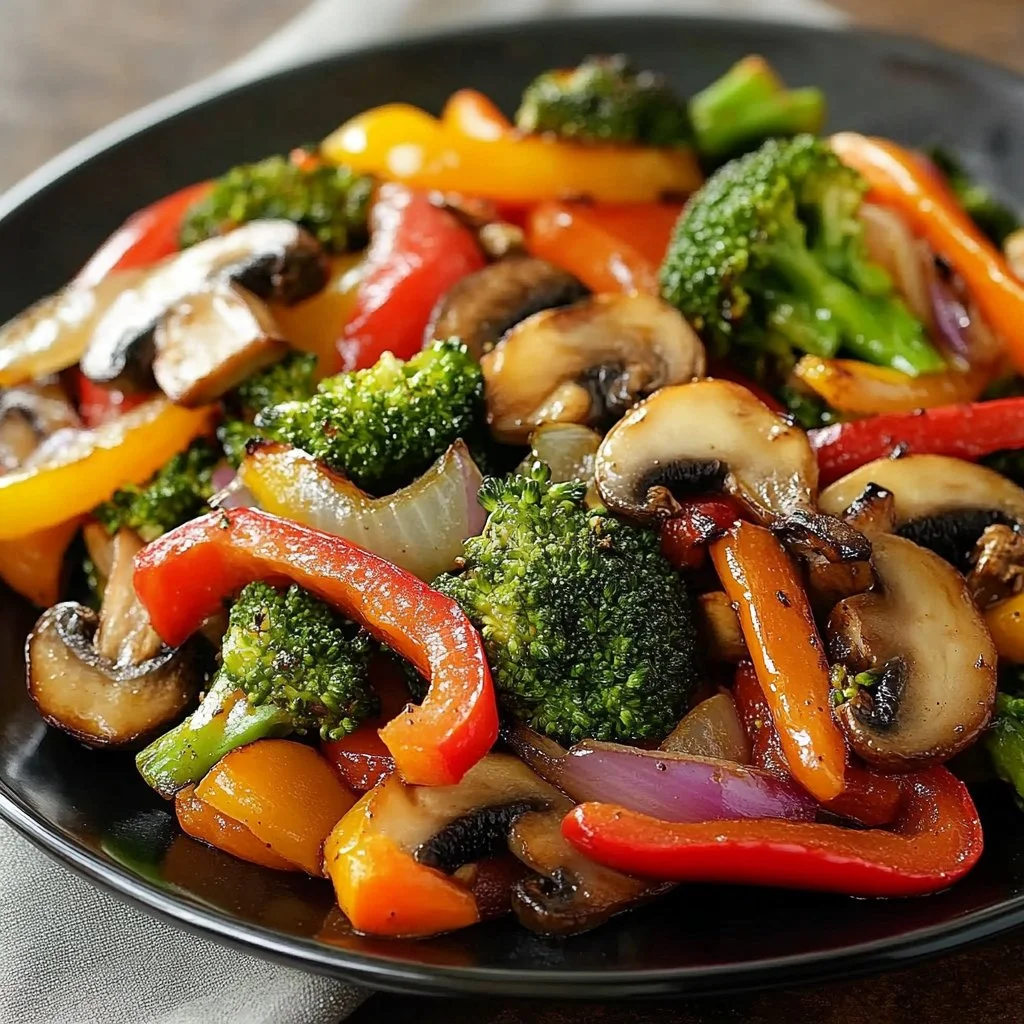
Serve these vegetables simply. Spoon them into a warmed bowl or straight onto the serving plate. A scattering of toasted nuts or a sprinkle of grated Parmesan feels intentional without being fussy. The colors and textures should look relaxed and friendly.
This side accompanies coffee or tea in the late afternoon as a lighter bite, and it pairs equally well with evening plates. If you are planning a small dinner that ends with a dessert, think about easy dessert recipes that do not demand too much attention. A light tart or a simple cake recipe complements the savory notes and lets the meal feel complete but not heavy.
For family meals, arrange the vegetables in a shared bowl and let everyone take a portion. They reheat quickly if someone wants seconds. The relaxed presentation makes the meal feel unpretentious and thoughtful.
How to Store Healthy Sautéed Vegetables – Quick, Flavorful & Nutritious Side
Refrigeration: Transfer cooled vegetables into an airtight container. Refrigerate for up to four days. The textures will soften slightly but remain pleasant for most uses.
Freezing: You can freeze cooked vegetables, but textural changes are likely. If you plan to freeze, cool quickly and store in a shallow container or freezer bag for up to two months. Use them later in soups, stews, or blended dishes rather than expecting crispness.
Reheating: Reheat gently in a skillet over medium heat with a teaspoon of oil. Stir frequently until warm and refreshed. Avoid the microwave if you want to preserve some texture; stovetop reheating brings back a touch of crispness.
Make-ahead logic: Sauté vegetables partially and finish them just before serving. This strategy reduces last-minute work and helps maintain bright textures. You can prepare all the vegetables and keep them in the fridge sliced and ready for a quick sauté within 24 hours.
A small trick: leave a little bit of the finishing oil and seasoning aside until right before serving. Add them at the end for a fresher brightness that makes leftovers feel new.
Small Tips That Make Cooking Easier
-
Pan size matters: Use a large skillet so the vegetables have space to sear. If the pan is crowded they will steam and soften instead of developing color.
A roomy pan gives you edges that turn lightly golden, a desirable cue that the dish is on track. -
Watch your heat: Medium-high is ideal. If the pan smokes, lower the heat slightly. If there is no movement in the pan, the vegetables will stew rather than sauté.
A steady sizzle is the sound you want. -
Balance bite and softness: Cut harder vegetables slightly smaller than tender ones so everything finishes at the same moment.
This way you avoid overcooked zucchini and underdone carrots. -
Flexible seasoning: Add a pinch of salt early and taste at the end. A small dash of acid, either lemon juice or balsamic, clarifies the flavors. For a deeper savory note use a teaspoon of soy sauce.
These small adjustments let you tailor the dish without disrupting the method. -
Timing flexibility: If you need to pause, pull the pan off heat and cover briefly. Return it to the stove a minute before serving to warm through and re-crisp the edges.
This approach reduces stress and keeps the meal timed to your table.
Simple Variations
-
Mediterranean: Use olive oil, add a splash of balsamic vinegar at the end, and finish with fresh herbs and crumbled feta.
This version leans into brightness and herbaceousness. -
Umami-forward: Begin with a small knob of butter, add mushrooms early, and finish with a teaspoon of soy sauce.
This yields a savory, rounded flavor that pairs well with grains. -
Nutty and crunchy: Toast walnuts or almonds and sprinkle them on top with sesame seeds for crunch.
Nuts add texture and a satisfying bite. -
Warm whole-grain bowl: Serve the vegetables over quinoa, farro, or brown rice and drizzle with a simple vinaigrette.
This turns the side into a filling main that is comforting without being heavy. -
Seasonal shifts: In winter, add root vegetables like parsnip or sweet potato and finish with rosemary. In spring, use asparagus and snap peas with lemon zest.
The method stays the same; only the vegetables change.
Each variation requires only small swaps. These changes keep the recipe approachable and adaptable for weeknights or quiet gatherings.
FAQs About Healthy Sautéed Vegetables – Quick, Flavorful & Nutritious Side
Can I make this ahead of time?
Yes. This recipe is forgiving. You can prep and slice the vegetables ahead of time and sauté them when you are ready. Partially cooked vegetables also keep well in the fridge for a short time. Finishing them just before serving preserves the best texture.
Can I use frozen vegetables?
You can. Thaw and drain them first and adjust the cooking time. Frozen vegetables tend to release more water, so use a higher heat and cook a little longer to drive off moisture. Expect a softer texture than with fresh vegetables.
What pan is best?
A heavy-bottomed skillet or cast-iron pan works well because it retains heat and promotes even browning. Nonstick pans are fine for easier cleanup, but allow room for color to develop.
How do I prevent overcooking?
Cut uniformly and add vegetables in stages. Remove the pan from heat a minute early and allow residual heat to finish the job. This prevents limpness and keeps colors bright.
Will this go with dessert?
Absolutely. The light, bright finish of these vegetables pairs well with a variety of desserts. For a low-effort ending consider no-fuss desserts or family-friendly desserts that you might already have on hand. The contrast between a savory vegetable plate and a simple cake or a small baked tart feels balanced and calming.
A Final Thought From My Kitchen
Cooking this dish is a quiet affirmation that good food can be straightforward. There is comfort in routine, and there is freedom in simple technique. When you chop, heat, and season with attention, you give the meal the room it needs to be quietly excellent.
If you are someone who finds solace in both savory and sweet projects, you will see the connection between this kind of everyday cooking and the rhythm of everyday baking. The same calm, steady practice that yields crisp-tender vegetables also helps with homemade dessert recipes and an easy dessert recipe that you can trust. The result is a week of meals that feel thoughtful and manageable.
Conclusion
If you want another practical example of sautéed vegetables done with simple Italian seasoning and straightforward technique, see this helpful reference for similar ideas at Sauteed Vegetables, Easy Side Dish Recipe – Mom Foodie.
Print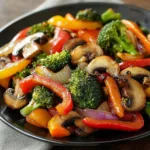
Healthy Sautéed Vegetables – Quick, Flavorful & Nutritious Side
- Prep Time: 15 minutes
- Cook Time: 10 minutes
- Total Time: 25 minutes
- Yield: 4 servings 1x
- Category: Side Dish
- Method: Sautéing
- Cuisine: Global
- Diet: Vegetarian
Description
A quick and nutritious side dish of sautéed vegetables, balancing flavors and textures for a delicious accompaniment to any meal.
Ingredients
- 2 tbsp olive oil (or avocado oil or butter)
- 2 cloves garlic, minced
- 1 small onion, thinly sliced
- 1 bell pepper, sliced
- 1 zucchini, sliced into half-moons
- 1 cup broccoli florets
- 1 medium carrot, julienned or sliced thin
- ½ cup snap peas
- ½ cup mushrooms, sliced
- Salt and black pepper, to taste
- 1 tsp lemon juice (optional)
- 1 tsp balsamic vinegar or soy sauce (optional)
- Optional toppings: toasted nuts, seeds, fresh herbs, grated Parmesan
Instructions
- Prep Vegetables: Wash, peel if needed, and cut all vegetables into uniform pieces.
- Heat Pan: Place skillet over medium-high heat and add oil.
- Cook Aromatics: Add garlic and onions, sauté 1 to 2 minutes until fragrant.
- Add Harder Vegetables: Add carrots and broccoli first; cook 3 to 4 minutes, stirring frequently.
- Add Softer Vegetables: Add bell peppers, zucchini, mushrooms, and snap peas; sauté another 4 to 5 minutes until crisp-tender.
- Season: Add salt, pepper, and optional flavorings such as lemon juice, balsamic vinegar, or soy sauce.
- Finish & Serve: Toss well and garnish with herbs, seeds, or nuts. Serve immediately for best texture.
Notes
Choose firm vegetables without soft spots. Match sizes for even cooking. Store leftovers in an airtight container for up to four days.
Nutrition
- Serving Size: 1 serving
- Calories: 150
- Sugar: 5g
- Sodium: 200mg
- Fat: 8g
- Saturated Fat: 1g
- Unsaturated Fat: 6g
- Trans Fat: 0g
- Carbohydrates: 20g
- Fiber: 6g
- Protein: 5g
- Cholesterol: 0mg