

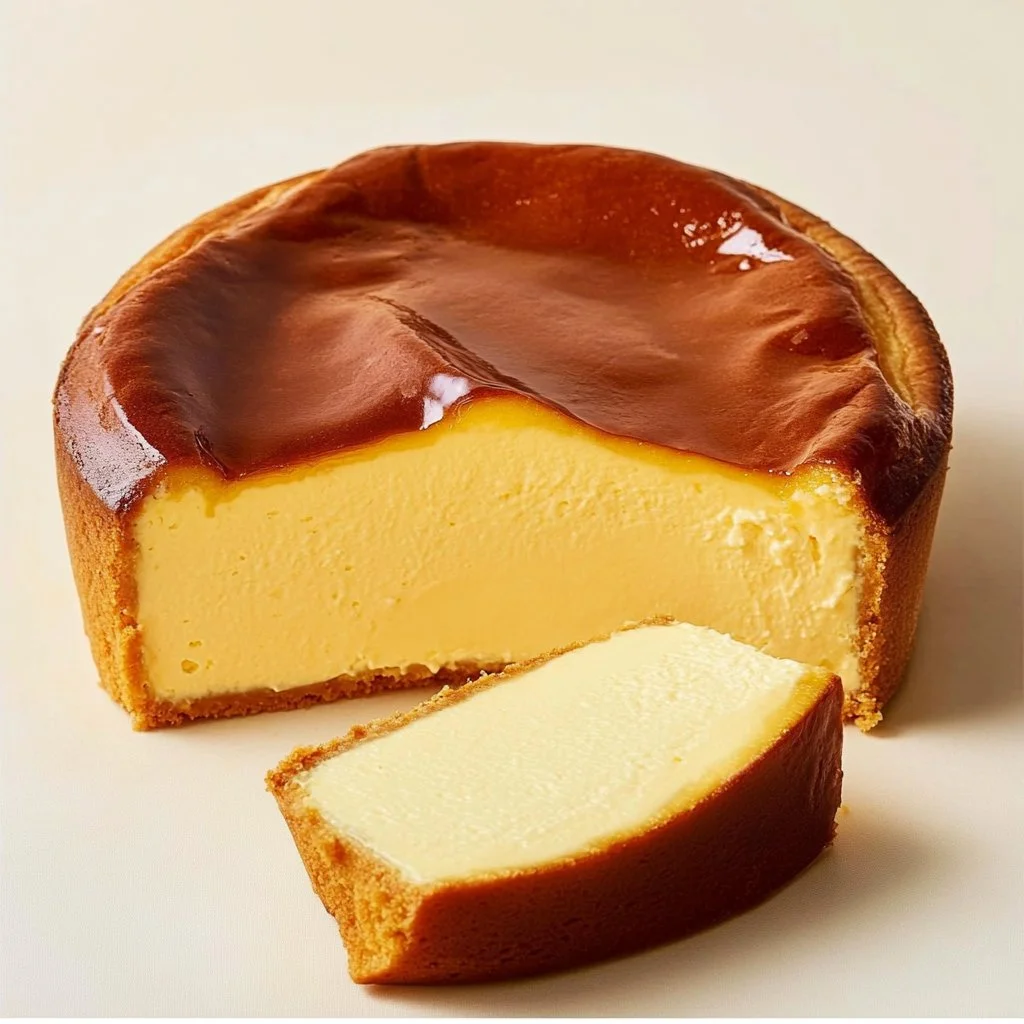
Begin by setting a small pot of tea or a coffee while you gather a few ingredients for a quiet afternoon bake. The Loaf Pan Basque Cheesecake is the kind of recipe that helps a kitchen feel calm and capable. It asks only for simple motions and a warm oven, and it rewards you with a creamy center and a caramelized top that smells softly of sugar and cream.
If you like small, reliable desserts you can make on a weeknight, you might also enjoy the gentle sweetness of a Blueberry Lemon Pancake Bites recipe that pairs well with a slow morning. While you read on, picture a loaf pan sitting on the counter, lined with parchment, and the steady calm of an oven doing its quiet work.
Why Loaf Pan Basque Cheesecake Works So Well Every Time
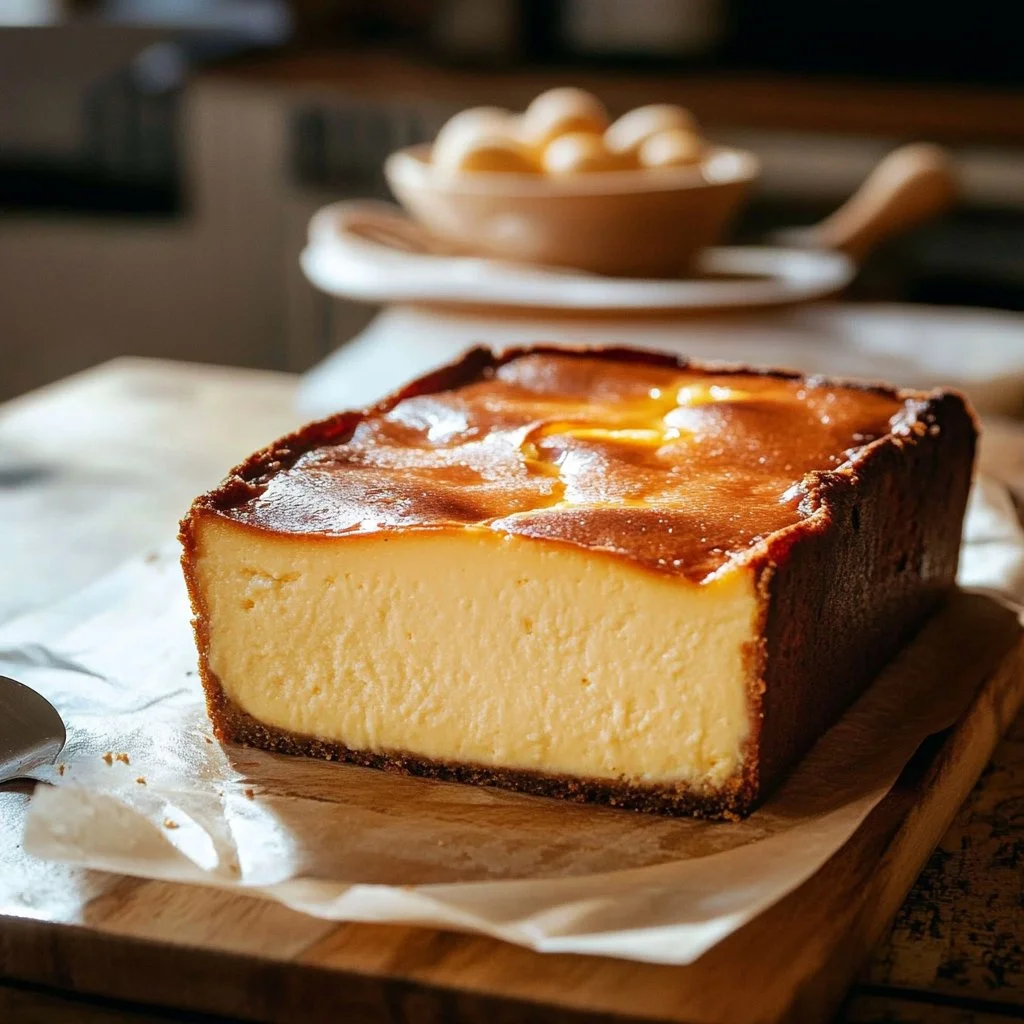
This dessert fits into modern home cooking because it is uncomplicated and forgiving. It borrows the rustic charm of a Basque cheesecake but uses a loaf pan so you can make a shape that slices neatly, stores easily, and serves a small group without ceremony.
The technique is straightforward. A high oven temperature coaxingly browns the surface while the interior stays lush and slightly wobbly. That contrast is the dessert’s quiet magic. It is a no-fuss dessert that reads elegant on a plate but feels effortless to make.
I make this when I want a dessert that is ready to share, not to fuss over. It is an everyday baking win. The texture is creamy, the top caramelized and a little smoky, and the flavor is gentle: rich cream cheese softened by sugar, smoothed by cream, and lifted by vanilla.
Bringing Loaf Pan Basque Cheesecake Together Gently
“Good recipes should feel calm, not complicated.”
Think of the process as a calm rhythm. You soften, you mix, you bake, and you wait. Each small step is clear and purposeful. That steadiness makes the recipe accessible for cooks who want reliable results without stress.
Overview of the process: start with room-temperature ingredients, blend until smooth, fold in a little flour for structure, and give the oven time to create a beautifully blistered top. From there, the refrigerator finishes the job, setting the center into a silky texture that slices cleanly.
Meanwhile, the batter will thicken and settle into the pan. Once baked, allow the loaf to cool; the center will be slightly jiggly yet stable. After resting and chilling, the cheesecake will feel composed and easy to slice.
What You’ll Need to Make Loaf Pan Basque Cheesecake
- 2 cups cream cheese, softened
Softened cream cheese blends smoothly and gives the cake its classic creaminess. Cold cream cheese can leave lumps and a denser texture. - 1 cup granulated sugar
Sugar sweetens and helps the top brown. It also balances the tang of the cream cheese. - 1 cup heavy cream
Full-fat cream provides richness and helps the interior stay tender and custardy. - 3 large eggs
Eggs offer structure and a silky mouthfeel. Room-temperature eggs incorporate more evenly. - 1 teaspoon vanilla extract
Vanilla deepens the flavor without overpowering. It is a small detail that brings the whole dessert together. - 1/4 cup all-purpose flour
A touch of flour gives body and helps the cheesecake hold its shape when sliced. - 1/4 teaspoon salt
Salt enhances the flavors and keeps sweetness from feeling flat.
These ingredients are common, dependable, and easy to find. For consistent texture, use full-fat dairy and let the key elements come to room temperature. If you are short on time, soften cream cheese in small increments in a microwave at low power, stirring between bursts. For a cleaner slice, chill overnight so the center firms up.
If you enjoy simple, bright desserts alongside richer ones, consider trying another light option like an easy no-bake lemon cheesecake for different occasions. That extra idea sits comfortably with the calm approach this recipe favors.
Step-by-Step Directions
- Preheat your oven to 400°F (200°C). Grease a loaf pan and line it with parchment paper, leaving some overhang for easy removal.
Set the oven early so it is reliably hot. The parchment overhang gives you an easy lift later. - In a large mixing bowl, beat the cream cheese with the sugar until smooth.
Work at a steady but gentle speed. The batter will go silky as the sugar helps soften the cheese. - Add in the heavy cream, then mix until fully combined.
The batter will loosen and become more fluid. Watch for a smooth, even texture. - Beat in the eggs one at a time, making sure to mix well after each addition.
Each egg should fully incorporate before the next. The mixture will brighten and hold together. - Stir in the vanilla extract, flour, and salt until just combined.
Fold gently so you do not overwork the batter. Small streaks should disappear into a velvet batter. - Pour the batter into the prepared loaf pan.
The batter will settle evenly. Tap the pan lightly to remove air bubbles and to level the surface. - Bake in the preheated oven for about 45-50 minutes, or until the top is dark brown and the center is slightly jiggly.
The top should feel firm and show a deep caramel color. The center will wobble a little when you gently nudge the pan. - Let it cool in the pan for about 30 minutes before transferring to the refrigerator to chill for at least 4 hours or overnight.
Cooling lets the structure set slowly. Chill time deepens flavor and makes slicing neater. - Serve chilled, enjoying the creamy texture and burnt top.
Slice with a warm knife for cleaner edges. The contrast between the caramelized top and the creamy center is the point of pleasure here.
Each step is simple. Pay attention to texture rather than clock time alone. For example, if the top is not quite as brown at 45 minutes, give it a few extra minutes and check again. A slightly more browned top adds flavor without sacrificing the custard inside.
Bringing Loaf Pan Basque Cheesecake to the Table
Serving this cheesecake is intentionally humble. A generous, unadorned slice looks beautiful on a plain plate. The burnt, amber top speaks for itself. A dusting of powdered sugar, a spoon of berry compote, or a few lightly sugared citrus segments are all gentle companions.
This dessert pairs nicely with a cup of tea, a slow pour of coffee, or a casual post-dinner espresso. It is family-friendly and fits everyday moments as well as small gatherings. The loaf shape makes it easy to slice into even portions for sharing without fuss.
For morning-friendly serving, a thin wedge alongside light pancakes is a quiet pleasure. Try a simple breakfast pairing like warm pancakes or a comforting porridge. If you want a suggestion that balances richness, the texture of Greek Yogurt Pancakes complements the cheesecake without competing. Serve slices simply and let the caramelized top and creamy center be the star.
How to Store Loaf Pan Basque Cheesecake
This cheesecake holds up beautifully in the refrigerator. Wrapped tightly, it will stay fresh for up to four days. The flavors mellow as it rests, and the center gains a firmer texture that makes slicing easier.
For longer storage, freeze slices in a single layer on a tray until solid, then transfer them to an airtight container for up to one month. Thaw slices overnight in the refrigerator before serving. If you prefer, you can freeze the entire loaf wrapped well in plastic and foil. Thaw slowly in the refrigerator.
Reheating is rarely necessary, but if you like a softer slice, let it sit at room temperature for 20 to 30 minutes. A quick warm knife under hot water will help when you slice. Avoid microwaving; it can ruin the texture.
If you are traveling with a slice or section, pack it in a snug container with the caramelized top facing up. A little condensation can collect, so keep it chilled when possible. This dessert is forgiving and portable when handled gently.
Quiet Adjustments That Help
- Pan size guidance: A standard 9×5 loaf pan shapes the dessert neatly. If your pan is slightly smaller or larger, watch baking time and rely on the wobble test. A shallower pan bakes a little faster and may brown more intensely.
- Oven placement: Bake in the center of the oven for even heat. The top browns best with the loaf close to the center heat and not crowded by other pans.
- Substitutions: If you need to swap cream, a high-fat evaporated milk is not ideal. Stick to heavy cream for texture. Low-fat dairy will yield a less creamy interior.
- Texture fixes: If the center looks much too runny after the suggested time, give it another 5 to 10 minutes and check again. If the top is browning too quickly, tent a piece of parchment over the pan to slow surface color.
- Timing flexibility: This recipe is forgiving about short timing shifts. If life calls and you must open the oven early or pull the loaf out later, remember that chilling will finish the set and restore calm. The cheesecake often tastes even better after a night in the fridge.
These small, practical changes reflect years of everyday baking. They keep the kitchen approachable and the outcome reliable.
Simple Variations
- Vanilla and Citrus: Add a teaspoon of lemon or orange zest with the vanilla for a bright, subtle lift. Keep the rest of the recipe the same.
- Brown Butter Twist: Brown the butter and cool it slightly, then swap a few tablespoons for part of the heavy cream. The result is a warm, toasty note that pairs with the caramel top.
- Light Fruit Ripple: Spoon a thin ribbon of berry jam into the batter before baking, then gently swirl with a knife. Keep it modest so the cheesecake texture remains primary.
- Chocolate Hint: Fold in two tablespoons of fine cocoa powder with the flour for a soft chocolate undertone. Balance the flavor with a touch more vanilla.
- Salted Top: Sprinkle a few crystals of flaky sea salt on the top right after it comes out of the oven. The salt brightens the caramelized flavor.
Variations should remain calm and simple. Choose one small addition and let the base technique do most of the work.
Print
Loaf Pan Basque Cheesecake
- Prep Time: 15 minutes
- Cook Time: 50 minutes
- Total Time: 65 minutes
- Yield: 8 servings 1x
- Category: Dessert
- Method: Baking
- Cuisine: Basque
- Diet: Vegetarian
Description
A creamy and caramelized cheesecake made in a loaf pan, perfect for easy slicing and serving.
Ingredients
- 2 cups cream cheese, softened
- 1 cup granulated sugar
- 1 cup heavy cream
- 3 large eggs
- 1 teaspoon vanilla extract
- 1/4 cup all-purpose flour
- 1/4 teaspoon salt
Instructions
- Preheat your oven to 400°F (200°C). Grease a loaf pan and line it with parchment paper, leaving some overhang for easy removal.
- In a large mixing bowl, beat the cream cheese with the sugar until smooth.
- Add in the heavy cream, then mix until fully combined.
- Beat in the eggs one at a time, making sure to mix well after each addition.
- Stir in the vanilla extract, flour, and salt until just combined.
- Pour the batter into the prepared loaf pan.
- Bake in the preheated oven for about 45-50 minutes, or until the top is dark brown and the center is slightly jiggly.
- Let it cool in the pan for about 30 minutes before transferring to the refrigerator to chill for at least 4 hours or overnight.
- Serve chilled, enjoying the creamy texture and burnt top.
Notes
For a cleaner slice, chill overnight. Store in the refrigerator wrapped tightly for up to four days.
Nutrition
- Serving Size: 1 serving
- Calories: 350
- Sugar: 25g
- Sodium: 300mg
- Fat: 25g
- Saturated Fat: 12g
- Unsaturated Fat: 10g
- Trans Fat: 0g
- Carbohydrates: 30g
- Fiber: 0g
- Protein: 7g
- Cholesterol: 130mg
FAQs About Loaf Pan Basque Cheesecake
Can I make this ahead of time?
Yes. This recipe is forgiving. Making it ahead often makes serving easier and lets the flavors settle naturally. Chill for at least four hours or overnight for the best texture.
Why is my center too soft?
If the center feels too soft after baking, give it another short time in the oven, watching carefully. Cooling and refrigeration also firm the center. A touch of extra flour or a slightly longer bake can help next time.
How do I get that dark, caramelized top?
A higher oven temperature encourages a darker top. Position the rack in the center and allow the surface to come to a deep amber. If the top browns too fast, tent parchment over it for the final minutes.
Can I use a springform pan instead of a loaf pan?
Yes. A springform will work. Keep an eye on baking time and use the wobble test. The loaf pan, however, makes storage and slicing especially simple.
Is it better chilled or room temperature?
Chilled slices hold shape and slice cleanly. Slightly warmed slices can feel silkier. I prefer serving it cool, allowing the creaminess to speak without being too soft.
These answers come from repeated kitchen runs and small adjustments learned over time. They are meant to remove fear and give you control over tiny variables.
A Final Thought From My Kitchen
This Loaf Pan Basque Cheesecake is a gentle reminder that good baking does not need to be complicated. It values texture and calm method over fuss. Take the time to soften ingredients, watch the batter as it comes together, and let the oven do its quiet work.
When you slice into a chilled loaf, notice the contrast between the caramelized top and the soft interior. That contrast is its comfort. The recipe offers steady results and room for quiet creativity, whether you add a hint of citrus, a soft swirl of jam, or nothing at all.
Baking small, reliable desserts like this one builds confidence. The next time you want an everyday dessert or a family-friendly treat, this cheesecake will feel like a trusted companion in a bright kitchen where care replaces perfection.
Conclusion
If you want a deeper look at the Basque cheesecake origin and another reliable method, the post for easy basque cheesecake – smitten kitchen offers a thoughtful perspective and more techniques to consider.