

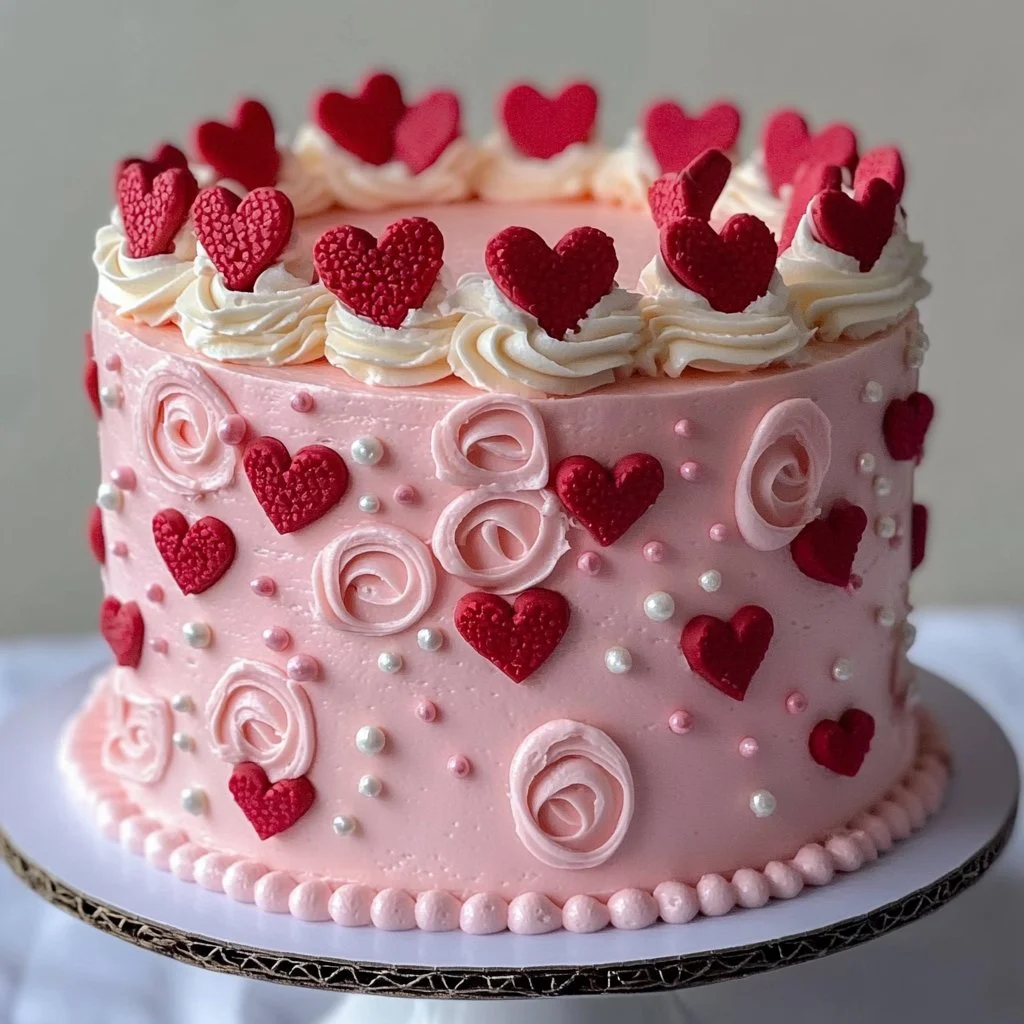
Begin with the quiet churn of a bowl and a careful measure of cocoa. On a slow afternoon I often reach for a simple cake that feels like a small, thoughtful gift. This Valentine’s Day Cake is that kind of bake: straightforward, reliable, and quietly charming. It fits the rhythm of everyday baking and gives you a dessert that is both easy to make and gentle to serve. If you like easy dessert recipes, you might also find comfort in a cozy breakfast twist like birthday cake overnight oats when the mood for sweetness lingers into the morning.
Why Valentine’s Day Cake Works So Well Every Time
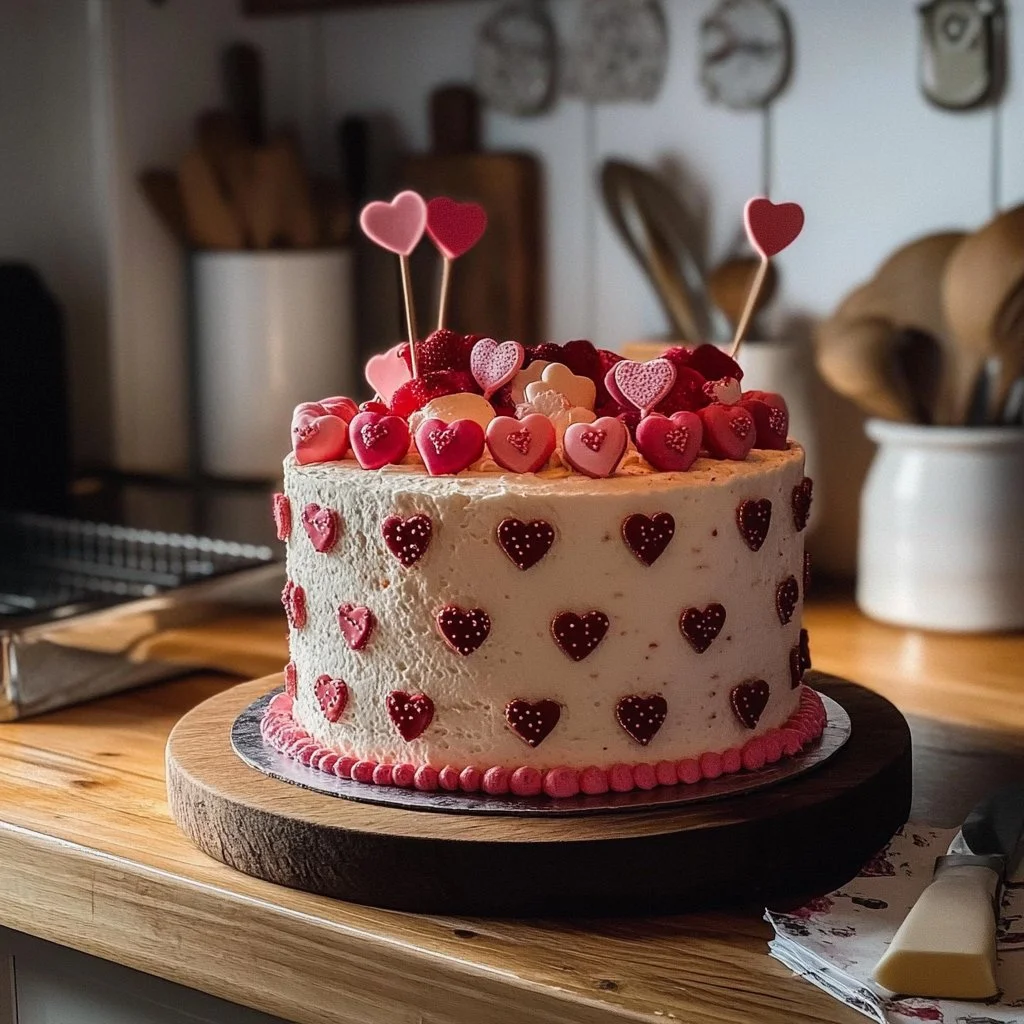
This cake lives in the place where no-fuss desserts and thoughtful finishes meet. It is not a showpiece for competition, but it rewards steady work with a tender crumb and an even rise. The recipe uses common pantry ingredients and predictable techniques, so it is an approachable homemade dessert recipe for cooks at many levels.
There is grace in a cake that asks for little and gives a lot. The batter is forgiving, the bake time is steady, and the thin batter once it goes into the pans settles into a comforting texture. For families or a small gathering, it offers a calm way to celebrate without stress. From there, a simple spread of red and pink frosting and a scattering of themed sprinkles turns this everyday cake into a seasonal treat.
Bringing Valentine’s Day Cake Together Gently
“Good recipes should feel calm, not complicated.”
Baking this cake is a steady, reassuring pattern of small tasks. First you measure, then you whisk, then you mix. The boiling water at the end thins the batter, helping the cocoa bloom and giving the final cake a tender crumb. Timing matters, but not in a way that makes the recipe feel fragile. This is a simple cake recipe that behaves well in most home ovens.
Expect the batter to feel thin and almost fluid after adding the boiling water. That is normal and helpful. Meanwhile the scent of cocoa will lift and become quietly more present as the cakes bake. The surface will lose shine and the edges will set, cues that make the cake easy to read as it finishes.
What You’ll Need to Make Valentine’s Day Cake
2 cups all-purpose flour
1 ½ cups granulated sugar
½ cup unsweetened cocoa powder
1 ½ teaspoons baking powder
1 ½ teaspoons baking soda
1 teaspoon salt
2 large eggs
1 cup whole milk
½ cup vegetable oil
2 teaspoons vanilla extract
1 cup boiling water
Red and pink frosting (for decoration)
Valentine’s Day themed sprinkles (for decoration)
Each ingredient plays a clear role. Flour gives structure. Sugar brings sweetness and tenderness. Cocoa offers flavor and color, and using unsweetened cocoa lets you control the depth of chocolate. Baking powder and baking soda give lift and a light crumb. Salt balances and brings out other flavors.
Eggs provide bind and some richness; room-temperature eggs blend more smoothly into the batter and help it trap air. Whole milk gives a little extra body and helps the cake feel substantial. Vegetable oil keeps the crumb moist without firming up as butter does when chilled. Vanilla brings warmth and rounds the chocolate.
If you like to browse other cake ideas before you bake, these best cake recipes are a helpful place to gather inspiration without pressure.
Step-by-Step Directions
- Preheat the oven to 350°F (175°C).
Grease and flour two 9-inch round cake pans.
Work calmly and check the pans sit level in the oven. - In a large mixing bowl, combine flour, sugar, cocoa powder, baking powder, baking soda, and salt.
Whisk briefly until the dry mix looks even and the cocoa has distributed.
This ensures the leaveners are spread for a steady rise. - Add eggs, milk, oil, and vanilla to the dry ingredients. Mix until well combined.
Use a whisk or a paddle and mix until the batter is smooth.
The texture will be slightly thick before the water. - Slowly add boiling water to the batter, mixing until smooth (the batter will be thin).
Pour in a steady stream and stir as you go to keep the mix even.
The batter will become loose and glossy; that is the cue to stop. - Divide the batter evenly between the prepared cake pans.
Use a measuring cup or a kitchen scale to be precise.
Tap the pans lightly to level the batter and release any large air pockets. - Bake for 30-35 minutes, or until a toothpick inserted into the center comes out clean.
Watch for edges that set and a surface that loses its shine.
The cakes will spring back gently when pressed. - Allow cakes to cool in the pans for 10 minutes before transferring to wire racks to cool completely.
This rest lets them firm up just enough to move safely.
Slide a thin spatula around the sides if needed, then invert. - Once cooled, frost with red and pink frosting and decorate with Valentine’s Day themed sprinkles.
Spread a thin crumb coat first if you like a neater finish.
Decorate simply and enjoy the quiet pleasure of a pretty cake.
Sensible sensory cues help you read each step. Notice the batter thickening after you mix the eggs and milk. Notice the edges setting and the surface turning lightly golden as the cake bakes. Give the layers time to cool before frosting; a warm cake will slide and smear. Those small pauses make the bake feel calm and sure.
Serving Valentine’s Day Cake Simply
Bring this cake to the table with a soft, unhurried touch. Slice it with a clean knife and serve on everyday plates. A cup of strong coffee or a pot of tea pairs well, but the cake is equally fine after a simple family meal.
For a casual gathering, cut slightly larger slices and let people help themselves. For a quieter moment, a small plate with a single slice and a fork feels satisfying. The frosting can be playful if you like two tones, a gentle swirl, or a neat spread yet none of that changes the pleasing comfort of a good slice.
This cake also fits the small rituals of modern home cooking. It is a lovely everyday baking choice for a midweek celebration or a weekend dessert. The look of the frosted cake invites slow smiles rather than loud applause.
How to Store Valentine’s Day Cake
Completed and frosted, this cake keeps well on the counter for a day if your kitchen is cool and the frosting is stable. Place it under a cake dome or cover it gently with plastic wrap to keep the surface from drying.
For longer storage, place the cake in an airtight container and refrigerate. Because the frosting contains sugar, refrigeration will firm the cake and can actually help slices hold together when you serve them. Allow the cake to rest at room temperature for 20 to 30 minutes before slicing to bring back a tender crumb.
To freeze, wrap individual slices or the whole unfrosted layers tightly in plastic wrap and then foil. Freeze for up to three months. Thaw overnight in the refrigerator, then bring to room temperature before frosting. Freezing can be a practical option when you want to bake ahead, and it preserves much of that just-baked texture.
Quiet Adjustments That Help
- Pan size and material matter.
Use two 9-inch round pans for the texture you expect.
Dark pans will brown faster; reduce time by a few minutes if needed. - Oven placement and behavior.
Place pans side by side on the middle rack for even heat.
If your oven has hot spots, rotate the pans halfway through baking. - Texture fixes and substitutions.
If you need dairy-free, swap the milk for unsweetened plant milk of similar fat.
If the batter looks too thin, a quick check of your measurements can calm worries. - Timing flexibility.
If your cakes need an extra five minutes, trust the visual cues.
A clean toothpick and a springy surface are the real tests, not the clock alone. - Pan prep tips.
Line the bottoms with parchment for clean release.
A gentle coat of butter and dusting of flour helps if you skip parchment.
Small changes like these make the recipe forgiving. Baking is practical and human, and knowing a few adjustments helps you keep calm if something shifts.
For a fresh idea with leftover crumbs or to inspire a breakfast twist, consider these blueberry lemon pancake bites as a way to use sweet bits in a new, family-friendly dessert or snack.
Simple Variations
This cake is a friendly base for small shifts that keep it approachable.
- Chocolate lovers: Stir in a handful of chocolate chips to the batter for pockets of melted chocolate.
- Layered look: Add a thin spread of jam between layers before frosting for a fruity surprise.
- Lighter frosting: Use a cream cheese frosting for tang and texture; it pairs nicely with cocoa.
- Mini cakes: Bake in smaller pans for person-sized cakes that feel intimate and neat.
- Seasonal twist: Swap sprinkles and frosting colors to match other holidays or a dinner theme.
All of these variations remain in the realm of no-fuss desserts. They keep the technique simple and let the cake adapt to what you have and the mood you want to create.
Small Tips That Make Baking Easier
- Measure carefully, but don’t fret.
Spoon flour into your measuring cup and level it; that small habit keeps texture consistent.
If you need a lighter crumb, reduce the flour by a tablespoon and note it for next time. - Use room-temperature eggs.
They blend more easily into the batter and help maintain a smoother texture.
If you forget to take eggs out, place them in warm water for five minutes. - Check your leaveners.
Baking powder and baking soda lose strength over time.
A quick test or a replaced tin every year keeps the rise reliable. - Keep an eye on the oven, not the clock.
Ovens vary; follow visual cues: edges set, center springs back, and the toothpick test.
This small habit brings confidence in everyday baking. - Creative serving idea.
For a softer finish, warm slices for 10 seconds in the microwave and top with a spoonful of whipped cream.
For a crisp contrast, serve with a handful of toasted nuts on the side.
These quiet adjustments preserve the calm and allow your kitchen to be a place of steady success, even when life is busy.
Print
Valentine’s Day Cake
- Prep Time: 15 minutes
- Cook Time: 35 minutes
- Total Time: 50 minutes
- Yield: 8 servings 1x
- Category: Dessert
- Method: Baking
- Cuisine: American
- Diet: Vegetarian
Description
A simple, forgiving cake that brings sweetness and charm for Valentine’s Day celebrations.
Ingredients
- 2 cups all-purpose flour
- 1 ½ cups granulated sugar
- ½ cup unsweetened cocoa powder
- 1 ½ teaspoons baking powder
- 1 ½ teaspoons baking soda
- 1 teaspoon salt
- 2 large eggs
- 1 cup whole milk
- ½ cup vegetable oil
- 2 teaspoons vanilla extract
- 1 cup boiling water
- Red and pink frosting (for decoration)
- Valentine’s Day themed sprinkles (for decoration)
Instructions
- Preheat the oven to 350°F (175°C).
- Grease and flour two 9-inch round cake pans.
- In a large mixing bowl, combine flour, sugar, cocoa powder, baking powder, baking soda, and salt. Whisk briefly until evenly mixed.
- Add eggs, milk, oil, and vanilla to the dry ingredients and mix until well combined.
- Slowly add boiling water to the batter, mixing until smooth.
- Divide the batter evenly between the prepared cake pans.
- Bake for 30-35 minutes, or until a toothpick inserted into the center comes out clean.
- Allow cakes to cool in the pans for 10 minutes before transferring to wire racks to cool completely.
- Once cooled, frost with red and pink frosting and decorate with themed sprinkles.
Notes
Use room-temperature eggs and measure flour carefully for the best texture.
Nutrition
- Serving Size: 1 slice
- Calories: 350
- Sugar: 28g
- Sodium: 400mg
- Fat: 12g
- Saturated Fat: 4g
- Unsaturated Fat: 6g
- Trans Fat: 0g
- Carbohydrates: 45g
- Fiber: 3g
- Protein: 5g
- Cholesterol: 30mg
FAQs About Valentine’s Day Cake
Can I make this ahead of time?
Yes. This recipe is forgiving. Making it ahead often makes serving easier and lets the flavors settle naturally. Bake the layers a day ahead, wrap them well, and frost when you are ready to serve.
Can I halve the recipe?
You can. Use one 9-inch pan and reduce baking time by about 5 to 10 minutes. Watch the visual cues and the toothpick test to be sure.
My cake sank in the middle. What happened?
A sunken center can come from underbaking, opening the oven door too often, or overmixing. Check the batter thickness next time and rely on gentle mixing and oven steadiness.
Is this cake good for a beginner baker?
Absolutely. This is a simple cake recipe designed to be approachable. The steps are clear and the bake is forgiving, making it a great project for someone building baking skills.
Can I use a different frosting color or style?
Yes. The decoration is entirely yours. Use any frosting color you like or a simple dusting of powdered sugar for a minimalist look.
A Final Thought From My Kitchen
Baking for someone even yourself should feel like a small act of care, not a test. This Valentine’s Day Cake offers a calm path to a pretty, satisfying dessert. It is approachable enough for an afternoon with the kids and graceful enough for a quiet dinner for two.
There is a distinct comfort in measuring, stirring, and watching the oven do its work. The aromas that fill the kitchen are subtle and pleasant. When you slice a piece, you can feel the steady payoff of patient, simple technique.
Conclusion
If you would like an additional version to compare or a different approach to a seasonal cake, this resource for Valentine’s Day Cake – Handle the Heat offers a complementary perspective and useful ideas to inspire your bake.
