

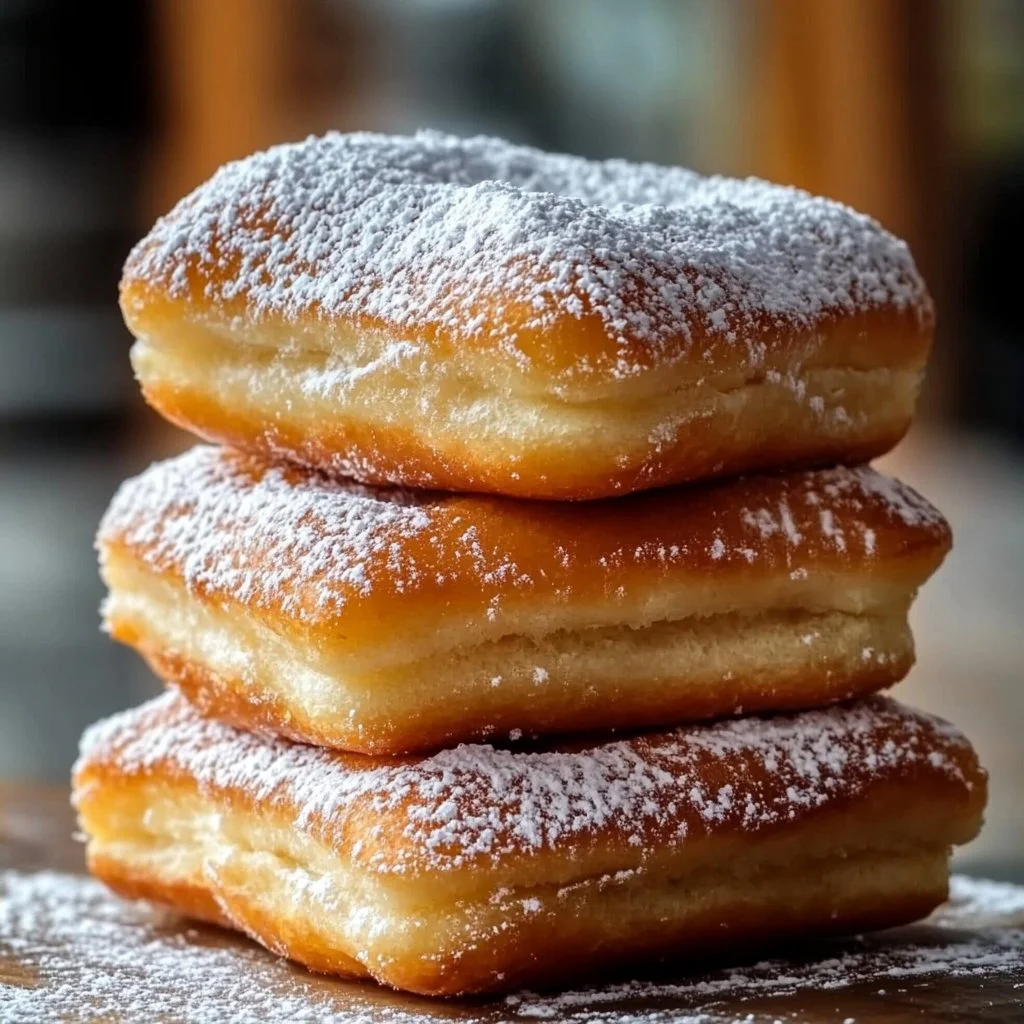
A soft light fills the kitchen as I stir a small bowl of batter, thinking of simple pleasures and familiar routines. Vanilla French Beignets come together in a quiet, steady way that fits an afternoon or a gentle family dessert after a weekday meal. The batter moves smooth and unhurried in the bowl, and the smell of warm vanilla feels like a small, calming promise. For a different sweet brunch idea that pairs well with beignets, try the creme brulee French toast recipe for another easy, comforting treat.
Why Vanilla French Beignets Works So Well Every Time
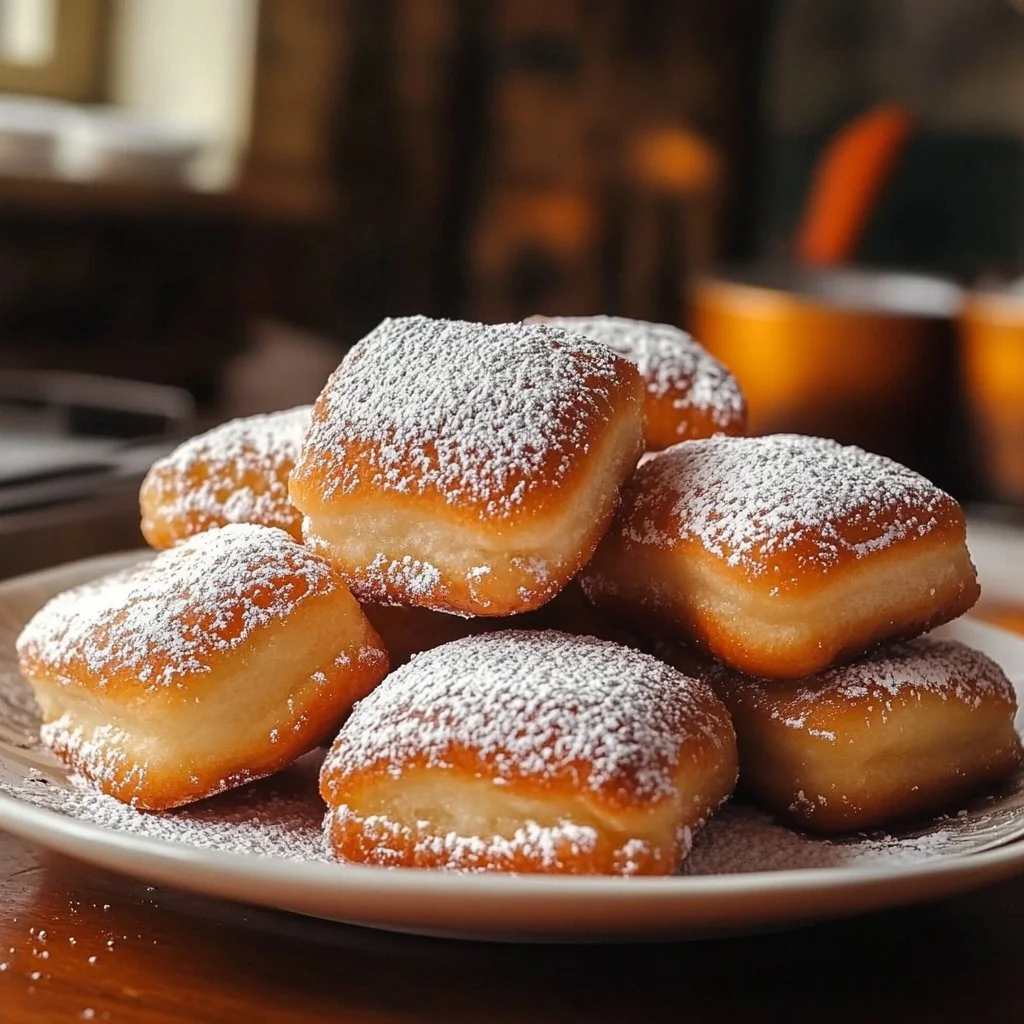
Vanilla French Beignets are small by size and big by comfort. They ask for only a few kind ingredients and deliver a crisp exterior with a pillowy inside. This fits into modern home cooking because it is easy to scale, kind to kitchen schedules, and naturally lends itself to everyday baking and no-fuss desserts.
They are forgiving in texture and timing. A slightly thicker batter will yield a more tender center. A little more heat gives a crisper shell while a slightly lower temperature lets the interior cook through without overbrowning. These are the sorts of cues I watch, learned from years of simple, steady cooking rather than flash techniques.
This recipe belongs in a home kitchen because it balances practicality and pleasure. It is an approachable homemade dessert recipe that asks for patience rather than precision. You can make these for a family snack, a calm dessert after dinner, or a small plate for guests without stress.
Bringing Vanilla French Beignets Together Gently
“Good recipes should feel calm, not complicated.”
The process is straightforward. Mix your dry ingredients, blend your wet, join them gently, and fry with a steady hand. The batter will feel slightly thick, not runny, and should fall from a spoon with a soft ribbon before settling.
Timing is quiet but reliable. Once mixed, the batter needs no long rise. Heating the oil until it reaches the right warmth is the steadier part. Use your eye and a small test drop of batter. The simple rhythm of spoon, fry, turn, and rest becomes soothing. With a few sensory checks, you will know when the beignets are ready: the edges set, the surface turns lightly golden, and the center keeps a soft, tender texture.
These steps form the core of an easy dessert recipe that still feels like baking. You will find comfort in the small, repeated actions, which are as much part of the recipe as the ingredients themselves.
What You’ll Need to Make Vanilla French Beignets
1 cup all-purpose flour
1/4 cup sugar
1/2 teaspoon baking powder
1/4 teaspoon salt
1/4 cup milk
1 large egg
1 teaspoon vanilla extract
Oil for frying
Powdered sugar for dusting
Each ingredient has a role to play. Flour gives structure and a tender crumb. Sugar adds sweetness and helps with the golden color as the beignets brown. Baking powder gives the gentle lift that makes the interior light. Salt balances flavor and keeps the sweetness lively.
Room-temperature eggs blend more smoothly and help the batter emulsify. Full-fat milk will give a slightly richer result and steadier structure, while lower-fat milk works fine in a pinch. Vanilla extract brings a warm aromatic note that makes these feel like a simple cake or pastry in a bite.
Choose a neutral oil with a high smoke point for frying. This keeps the flavor clean and allows you to fry at a steady temperature. For tools, a deep skillet or a small saucepan gives good control, and a slotted spoon or spider helps lift and drain the beignets quietly.
Step-by-Step Directions
- In a large bowl, whisk together flour, sugar, baking powder, and salt.
Mix until the dry ingredients are evenly combined and look light.
This is the base that will give the beignets their gentle lift. - In a separate bowl, mix the milk, egg, and vanilla extract.
Beat until the egg and milk blend into a smooth, pale mixture.
The vanilla will scent the wet mix and carry through the batter. - Combine the wet and dry ingredients until just combined.
Stir gently so the batter comes together without overworking it.
The batter should be slightly thick and fall from a spoon in a soft ribbon. - Heat oil in a deep skillet over medium heat.
Keep the temperature steady and test with a small drop of batter.
The oil should gently bubble around the test drop and the surface should color slowly. - Drop spoonfuls of batter into the hot oil and fry until golden brown, about 2-3 minutes on each side.
Watch the edges as they set and the surface as it turns lightly golden.
Turn once to cook both sides evenly and keep the heat steady. - Remove and place on a paper towel to drain excess oil.
Let the beignets rest briefly so they keep their tender center.
A small rest helps the interior finish and stops the oil from pooling. - Dust with powdered sugar before serving. Enjoy your warm beignets!
Serve while still warm for the best texture.
The powdered sugar melts into soft pockets and adds a gentle sweetness.
These numbered steps give a clear, calm rhythm: measure, mix, heat, fry, rest, and dust. The sensory cues of batter thickening, edges setting, surface turning golden, and cooling before slicing guide you if you prefer to monitor rather than time everything strictly. That approach fits everyday baking and family-friendly desserts well.
Bringing Vanilla French Beignets to the Table
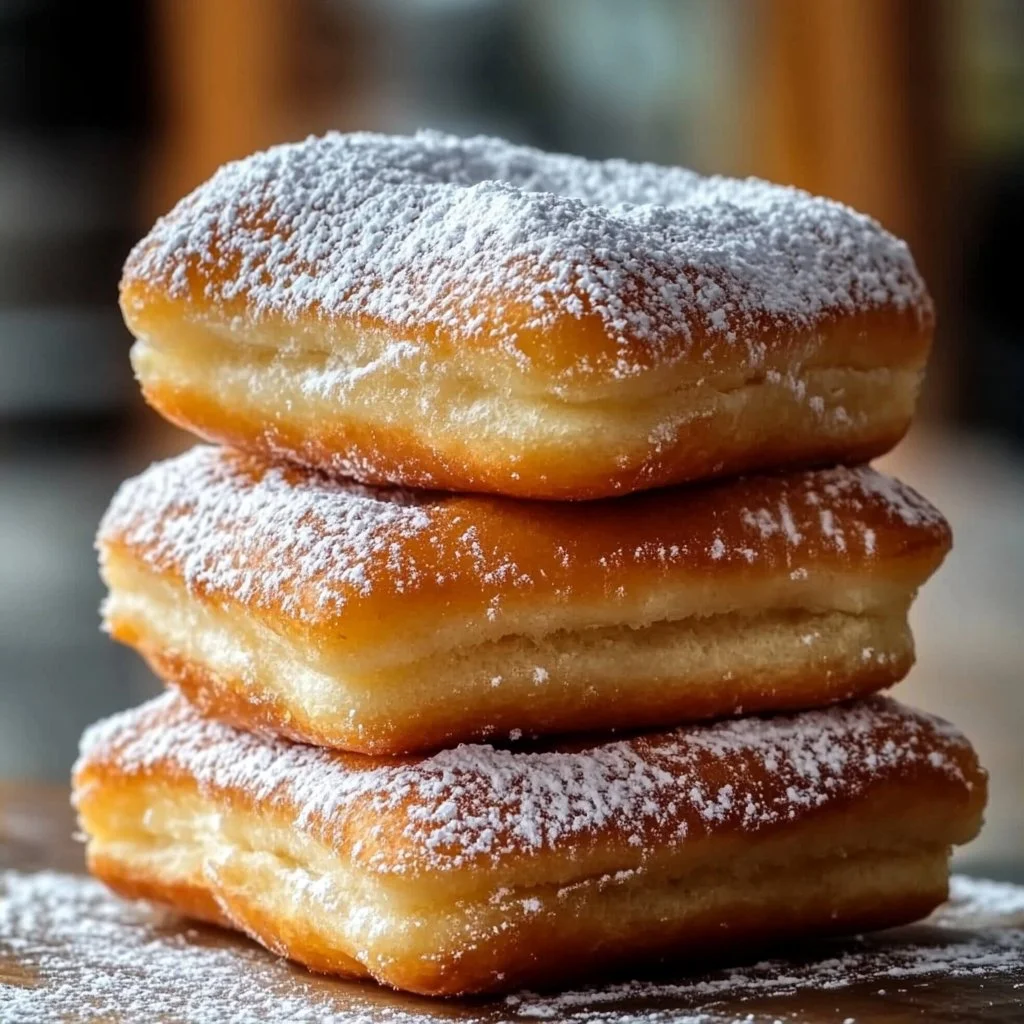
Serve these beignets simply and without fuss. A small dusting of powdered sugar is enough for most moments. Place them on a warm plate, bring a pot of coffee or a pot of tea, and let people help themselves. The pairing is relaxed: coffee for an afternoon visit, tea for a light dessert, or a small glass of milk for children.
If you want a little more to the moment, offer a small bowl of jam, a drizzle of honey, or a shallow dish of warm chocolate for dipping. These additions keep the beignets as a friendly centerpiece rather than a formal dessert. They fit into everyday life and into slower celebrations, both.
Beignets are gentle company at a casual gathering. They invite conversation and slow enjoyment. They also work well as a late-night treat or a quiet weekend breakfast. The key is the unhurried way they come together and the ease of sharing them.
How to Store Vanilla French Beignets
Store beignets at room temperature for a few hours in an airtight container. They are best the day they are made when the exterior has a crisp edge and the center feels tender.
If you need to keep them overnight, place them in a container lined with parchment and separate layers with paper towel to absorb any residual oil. Chill in the refrigerator for up to two days. Reheat gently in a low oven to bring back some of the crispness. Avoid the microwave for reheating unless you plan to finish in a hot oven briefly, as microwaving can make the texture a bit soggy.
For longer storage, you can freeze cooked beignets. Cool them fully and freeze on a tray until firm. Then transfer to a freezer-safe bag for up to one month. Reheat from frozen in a preheated oven at 350 F until warm and slightly crisp. Freezing can change the texture a bit, but this method keeps them convenient and thoughtful for planning ahead.
If you plan to make batter ahead, it is possible to refrigerate it for a few hours, but it will thicken as the baking powder reacts. Stir gently before frying, and allow it to sit at room temperature for a short time to loosen. The batter is forgiving, and a short rest often makes the frying step calmer and more controlled.
Marina’s Kitchen Notes
- Pan choice matters. Use a deep skillet or heavy-bottomed saucepan to keep the oil temperature steady. A wide pan gives you room to fry several beignets without crowding them.
- Oil temperature is the quiet control point. Aim for a steady medium or about 350 F if you use a thermometer. If frying by eye, a small test drop should sizzle and color slowly. Too hot and the outside will brown before the center cooks. Too cool and the beignets will absorb more oil.
- Texture fixes. If the batter feels too thin, add a tablespoon of flour and rest briefly. If it is too thick, stir in a teaspoon of milk at a time until it loosens slightly. The batter should not be pourable like pancake batter, but it should drop easily from a spoon.
- Substitutions. You can use buttermilk in place of milk for a slightly tangy note and a tender crumb. Olive oil is not recommended for frying here because it carries flavor. Use a neutral oil such as canola, vegetable, or sunflower oil.
- Timing flexibility. If you are making beignets for a group, fry in batches and keep finished beignets in a low oven set at about 200 F to keep them warm and lose excess oil. Do not stack them, as steam will soften the coating.
These notes come from small adjustments over many quiet afternoons of baking. They are meant to reduce stress and help you adapt the recipe to your kitchen and schedule.
Simple Variations
- Vanilla and citrus. Add a teaspoon of finely grated lemon or orange zest to the wet mix for a light, citrus lift. It keeps the beignets bright without changing the method.
- Spiced sugar. Toss warm beignets in a blend of powdered sugar and a pinch of cinnamon for a mild spice note. This is a subtle variation that feels like a cozy change.
- Filled beignets. For a small change, pipe a small spoonful of jam or pastry cream into the cooled beignets using a piping bag. Keep fillings light so they do not overwhelm the tender interior.
- Savory touch. If you want to balance sweet and savory at a gathering, serve beignets alongside little one-bite savory snacks such as the French dip tortilla roll-ups for a contrasting flavor that is still simple and family friendly.
These variations keep the core recipe intact while allowing you to adjust for seasons and company. The idea is to be flexible, not to complicate.
Print
Vanilla French Beignets
- Prep Time: 10 minutes
- Cook Time: 15 minutes
- Total Time: 25 minutes
- Yield: 4 servings 1x
- Category: Dessert
- Method: Frying
- Cuisine: French
- Diet: Vegetarian
Description
Soft and comforting Vanilla French Beignets with a crisp exterior and pillowy inside, perfect for family desserts or gatherings.
Ingredients
- 1 cup all-purpose flour
- 1/4 cup sugar
- 1/2 teaspoon baking powder
- 1/4 teaspoon salt
- 1/4 cup milk
- 1 large egg
- 1 teaspoon vanilla extract
- Oil for frying
- Powdered sugar for dusting
Instructions
- In a large bowl, whisk together flour, sugar, baking powder, and salt.
- In a separate bowl, mix the milk, egg, and vanilla extract.
- Combine the wet and dry ingredients until just combined.
- Heat oil in a deep skillet over medium heat.
- Drop spoonfuls of batter into the hot oil and fry until golden brown, about 2-3 minutes on each side.
- Remove and place on a paper towel to drain excess oil.
- Dust with powdered sugar before serving.
Notes
Beignets are best served warm with a light dusting of powdered sugar. For variations, consider adding citrus zest or spiced sugar.
Nutrition
- Serving Size: 2-3 beignets
- Calories: 250
- Sugar: 10g
- Sodium: 150mg
- Fat: 10g
- Saturated Fat: 2g
- Unsaturated Fat: 8g
- Trans Fat: 0g
- Carbohydrates: 32g
- Fiber: 1g
- Protein: 5g
- Cholesterol: 50mg
FAQs About Vanilla French Beignets
Can I make this ahead of time?
Yes. This recipe is forgiving. Making parts of it ahead often makes serving easier. You can prepare the batter a few hours before frying, keeping it chilled and stirring before use. Fried beignets can be stored briefly and reheated gently.
How hot should the oil be?
Aim for a steady medium heat. If you use a thermometer, target around 350 F. If you test by eye, a small drop of batter should bubble gently and color slowly. Watch for a light golden hue rather than rapid browning.
Why are my beignets greasy?
Greasy beignets usually mean the oil was too cool or the pan was crowded. Keep the oil at a steady temperature and fry in small batches. Drain on paper towels and let them rest briefly to avoid excess oil absorbing into the pastry.
Can I bake these instead of frying?
You can, but frying gives the classic texture of a crisp shell and soft center. Baked versions will be more like small cakes. If you prefer to bake, use a greased mini muffin tin and a slightly higher oven temperature, watching closely for a light golden top.
Are substitutions allowed for flour or milk?
All-purpose flour provides the best balance of structure and tenderness here. If you need to use a different flour, expect changes in texture. Whole milk or buttermilk will yield a slightly richer result. Non-dairy milks can work, but they may change the mouthfeel slightly.
These answers reflect common concerns and practical fixes. They are meant to give you calm confidence in the kitchen.
A Final Thought From My Kitchen
There is comfort in small, steady recipes that ask for a little time and offer a lot in return. Vanilla French Beignets are one of those recipes. They are warm enough to feel like care, simple enough to make without pressure, and flexible enough to fit many moments.
Bake this recipe on a quiet afternoon or for a small celebration. Share them with someone who appreciates gentle, homemade desserts. Let the batter sit calmly in its bowl and enjoy the slow rhythm of frying. Small rituals like sprinkling powdered sugar or offering a tiny dipper of jam make the moment feel complete.
These beignets are part of everyday baking that rewards patience and invites presence. They will remind you that good food need not be complicated to feel special.
Conclusion
If you want a little more guidance on technique and a well-tested approach to beignets, the detailed beignet recipe at Preppy Kitchen offers helpful visuals and tips that pair well with these simple notes and reassurances.
