

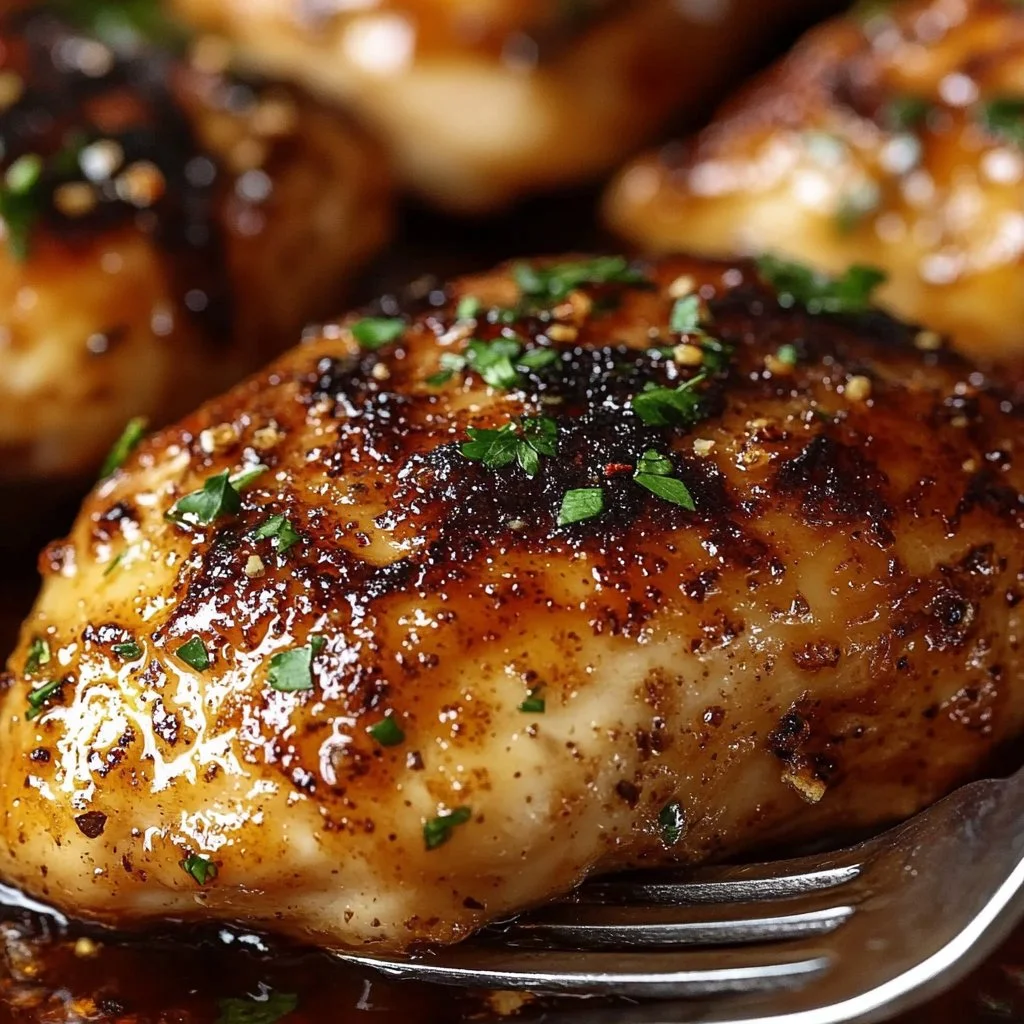
Begin with a quiet kitchen moment: the stove warmed by a gentle flame, a small bowl of brown sugar waiting beside a pile of minced garlic, and the familiar comfort of a simple plan. I reach for a skillet, pat the chicken dry, and let the first soft sizzle of garlic tell me the meal is on its way. This Garlic Brown Sugar Chicken is easy to make, reliably flavorful, and the kind of recipe that makes weeknight cooking feel calm and doable. If you enjoy warm, savory dishes with a touch of sweetness, you might also like this comforting soup recipe for Classic Ginger Garlic Chicken Noodle Soup, which brings the same steady confidence to a different kind of meal.
Why Garlic Brown Sugar Chicken Works So Well Every Time
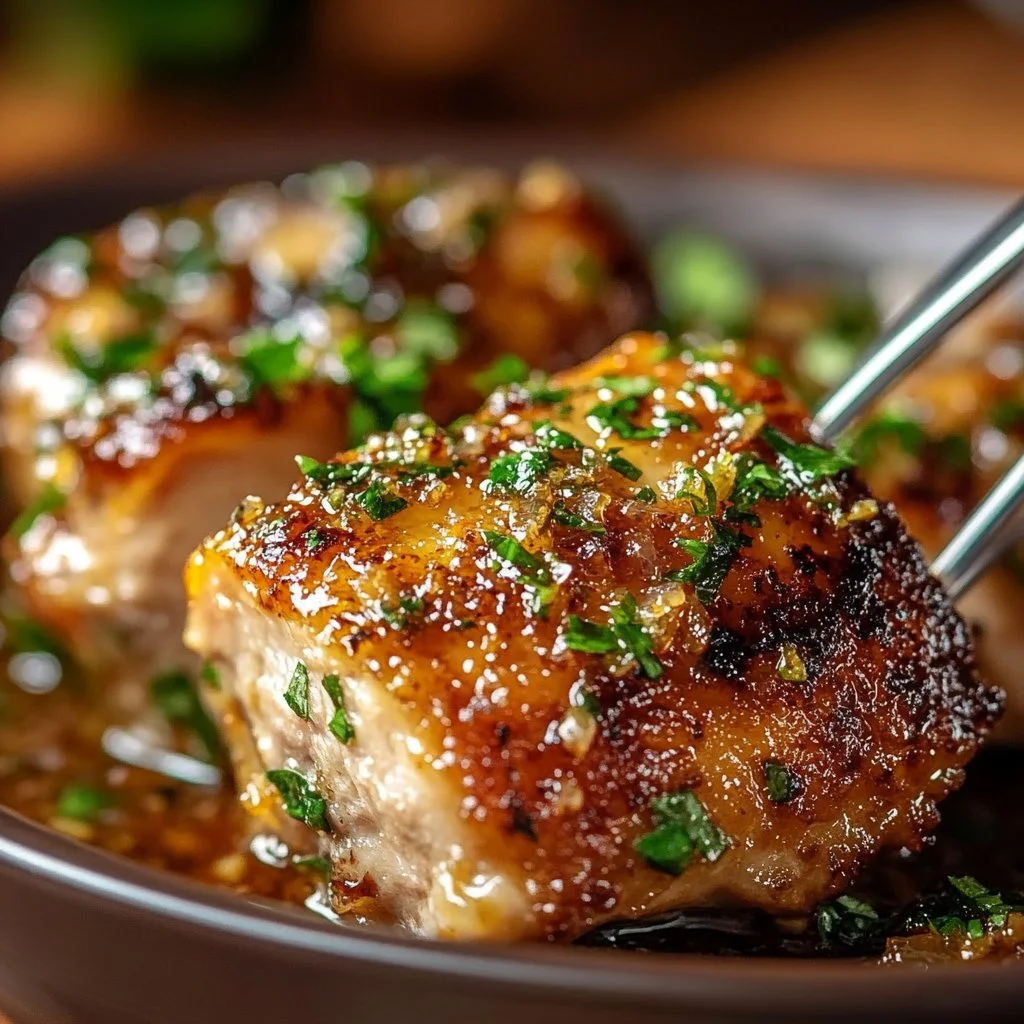
This dish balances three simple ideas: savory garlic, soft caramel sweetness, and a glossy sauce that looks and feels composed. It does not rely on technical skill, unusual equipment, or long lists of ingredients. That makes it a natural fit for everyday meals where ease and reliability matter most.
The flavors are straightforward and purposeful. Brown sugar gives the sauce a molasses warmth that helps the soy sauce mellow rather than overpower. Apple cider vinegar lifts the sweetness with a bright note, keeping the finish from feeling cloying. Smoked paprika and onion powder add depth without demanding attention or long marination.
Texture is equally important. The surface of the chicken benefits from a quick pat of dry heat in the pan, which encourages the sauce to cling and thicken. Meanwhile, a spooned glaze keeps the meat moist and inviting. For a family who values food that feels homey and honest, this recipe is a low-stress win.
Because the method is flexible, it fits into many rhythms. It can be a last-minute dinner when the day has been full. It can also be a calm, comforting main for a weekend meal where you want something pleasing without fuss. Those are the small wins of home cooking I like to celebrate.
Bringing Garlic Brown Sugar Chicken Together Gently
“Good recipes should feel calm, not complicated.”
The process is steady and reassuring. You sauté garlic just until it releases fragrance, you dissolve sugar into a glossy sauce, and you let the chicken finish in that sauce while you keep a relaxed watch. It is not a rushed method, and it rewards small, patient actions.
You can think of the timing in musical beats: a warm pan, a brief garlic note, the sugar dissolving into a smooth chorus, and the meat finishing as the sauce thickens. Texture cues guide you more than a stopwatch. As the glaze turns glossy, you know it is close. Once the internal temperature reaches the safe mark, the chicken rests briefly so the juices settle.
This rhythm makes the recipe accessible to cooks of all levels. It is perfect for someone who loves the idea of a comforting, confident meal but wants a clear, gentle way to get there.
What You’ll Need to Make Garlic Brown Sugar Chicken
4 boneless (skinless chicken breasts (or thighs))
3 tablespoons olive oil
5 cloves garlic (finely minced)
⅓ cup light brown sugar (packed)
2 tablespoons soy sauce
1 tablespoon apple cider vinegar
1 teaspoon smoked paprika
½ teaspoon salt
½ teaspoon black pepper
½ teaspoon onion powder
¼ teaspoon crushed red pepper flakes (optional, for heat)
1 tablespoon unsalted butter (for finishing)
Fresh parsley (chopped (for garnish – optional))
A few practical notes about these ingredients:
- Choose chicken breasts or thighs based on what you prefer for texture. Thighs have a bit more fat and stay forgiving in the pan, while breasts are leaner and cook a touch faster.
- Olive oil gives a neutral, stable base for pan cooking. If your oil has a strong flavor, use a light olive oil or a neutral oil like sunflower or canola.
- Fresh garlic makes a big difference. Pre-minced garlic works in a pinch, but the aroma and texture of minced cloves are worth the small effort.
- Light brown sugar blends easily and provides a mild molasses note. Dark brown sugar will deepen the flavor if you prefer a richer, more caramel taste.
- Soy sauce supplies salt and umami. Low-sodium soy works fine if you want more control; you can always finish with a pinch of salt.
- Apple cider vinegar is gentle and bright. If you do not have it, a mild white wine vinegar will do.
- Smoked paprika is subtle and lends a hint of warmth. Regular paprika will still work but skip the smoky background.
- Butter at the end smooths and glazes the sauce. It is a small step that reads as thoughtful and makes the plate feel finished.
- Parsley is optional. It adds freshness and color, which is pleasant but not required.
Those small, practical choices help the recipe hold up to different kitchens and pantry supplies. The method respects ingredients for what they do, rather than asking them to pretend to be something else.
Step-by-Step Directions
-
Prepare the Chicken.
Pat the chicken dry with paper towels.
Season both sides evenly with salt, pepper, smoked paprika, and onion powder. -
Sauté the Garlic.
Heat olive oil in a large skillet over medium heat.
Add the minced garlic and cook for 30–45 seconds, just until fragrant. Do not brown. -
Build the Sauce.
Stir the brown sugar, soy sauce, and apple cider vinegar into the skillet.
Allow the mixture to gently bubble and dissolve into a smooth sauce. -
Cook the Chicken.
Place the chicken into the skillet.
Cook for 5–6 minutes per side, spooning the sauce over the chicken as it cooks, until fully cooked through and the internal temperature reaches 165°F (74°C). -
Finish the Glaze.
Add the butter to the pan and spoon the thickened, glossy sauce over the chicken for 1–2 minutes until rich and shiny.
Turn the chicken once so both sides catch the sheen and flavor. -
Serve.
Remove from heat. Garnish with fresh parsley if desired and serve immediately with extra sauce spooned over the top.
Let the chicken rest for a few minutes before slicing so juices redistribute and the sauce settles.
Sensory cues to watch for:
- The garlic should smell warm and fragrant, not browned.
- The sauce will transform from grainy sugar to a smooth glaze as it dissolves.
- Surface shine and a lightly golden underside tell you the pan heat is right.
- When the sauce clings and thickens, it will coat a spoon in a glossy ribbon.
- Allow the chicken to cool a touch before slicing; this keeps each bite tender.
These steps are precise in simple ways but flexible in small details. The goal is calm confidence, not perfect timing. If one side needs an extra minute or two, that is fine. The recipe is forgiving.
Bringing Garlic Brown Sugar Chicken to the Table
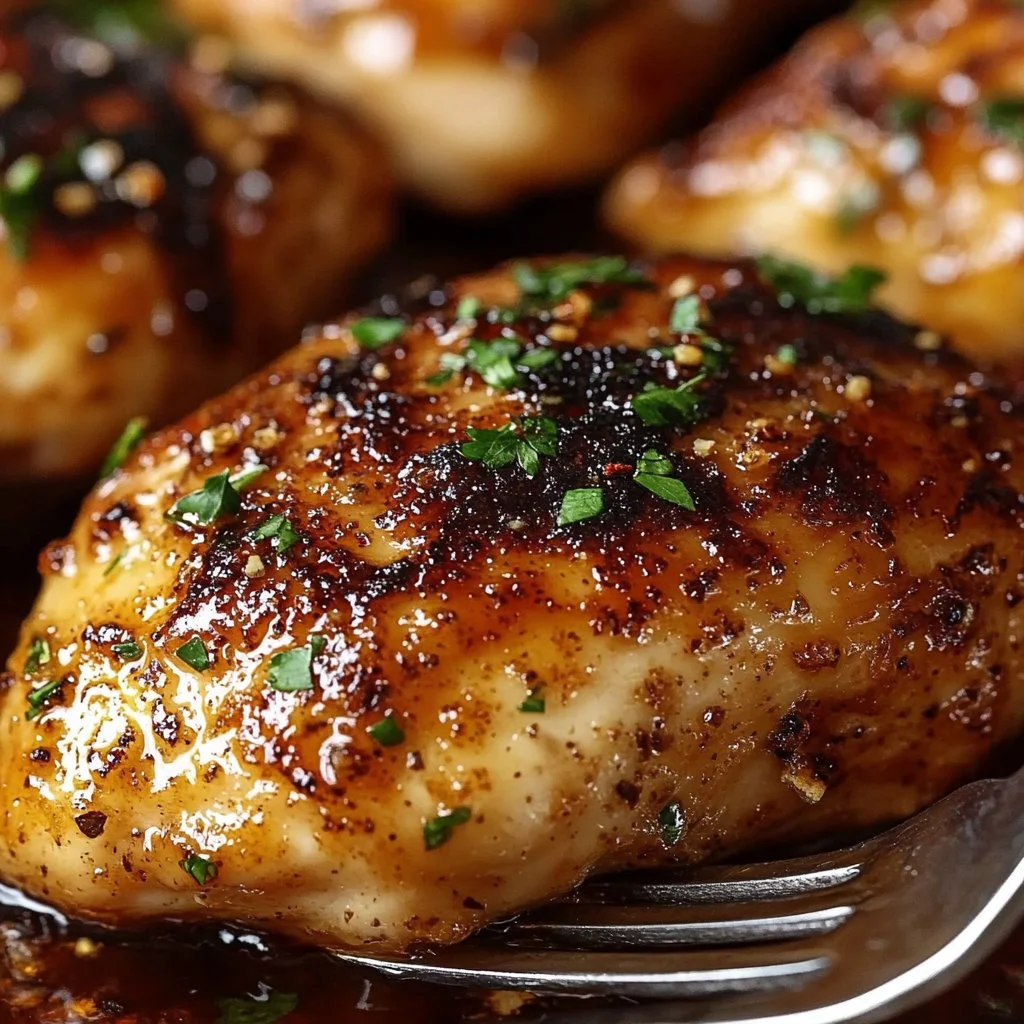
This chicken wants an unhurried table and easy company. Serve it simply on warm plates with rice, mashed potatoes, or a bed of sautéed greens. A spoonful of extra glaze looks and tastes like a quiet flourish.
I often put a small bowl of extra sauce on the table so guests can add a touch more. The savory-sweet contrast pairs well with light sides: a crisp salad, steamed broccoli, or a simple lemon rice. For weeknights, a tray of roasted vegetables and a loaf of crusty bread make the meal feel complete without requiring much attention.
Because the sauce is glossy and slightly sticky, a plain starch helps balance the flavors. Try a bowl of fluffy quinoa or soft polenta. The goal is to create a relaxed plate where the chicken is the easy hero.
If you are serving to people who enjoy milder flavors, omit the red pepper flakes. If you like a gentle lift, finish each plate with a squeeze of lemon or a scatter of chopped parsley. The small adjustments keep the dish approachable and adaptable.
How to Store Garlic Brown Sugar Chicken
Store leftovers in an airtight container in the refrigerator for up to 3 days.
Allow the chicken to cool slightly before sealing to avoid condensation that can thin the glaze.
For longer storage, freeze cooked portions in a tight container or freezer bag for up to 2 months.
Lay pieces flat if possible so they freeze evenly, and label with the date and contents.
To reheat, thaw overnight in the refrigerator if frozen.
Gently reheat on the stovetop over low heat, spooning sauce over the chicken to restore gloss.
You can also rewarm in a 325°F oven for 10–15 minutes, covered, until heated through.
A final note on texture with leftovers: the glaze may thicken in the fridge. If it becomes too stiff, warm the chicken slowly with a splash of water or a spoonful of extra soy sauce to loosen it. The flavors often meld pleasantly after a day, so leftovers can taste even better.
Quiet Adjustments That Help
-
Choose the right pan.
A heavy skillet, such as a stainless steel or cast iron pan, will develop gentle browning and distribute heat evenly.
Nonstick is fine if you prefer easier cleanup, but watch the heat so the garlic does not brown. -
Mind the heat.
Medium to medium-low gives the garlic time to bloom without burning.
If the sugar is bubbling aggressively, reduce the heat to keep it from scorching. -
Timing flexibility.
If your chicken pieces are uneven, start thicker pieces first and add thinner ones later so all finish near the same time.
A meat thermometer is a simple tool that removes guesswork and brings calm assurance. -
Substitutions that work.
Maple syrup can replace brown sugar for a different sweet profile.
Tamari or coconut aminos substitute for soy sauce if you want gluten-free options.
Butter can be omitted for a lighter finish; a drizzle of good olive oil will still add shine. -
Texture fixes.
If the sauce reduces too quickly, stir in a tablespoon of water to loosen it and keep the chicken from drying.
If it is too thin at the end, remove the chicken and simmer the sauce for a minute or two until it coats a spoon.
These small moves help the recipe adapt to the rhythm of your kitchen. I like to keep them in mind, but I do not let them make the process feel complicated. The aim is steady success.
Simple Variations
-
Add citrus.
A squeeze of orange or lemon toward the end brightens the sauce and lifts the sweetness.
This is a small touch but it changes the mood of the dish in a refreshing way. -
Make it herb-forward.
Finish with chopped basil or cilantro instead of parsley for a different aromatic profile.
Herbs add color and a fresher closing note. -
Add a vegetable to the pan.
Thinly sliced bell peppers or snap peas added in the last few minutes give a quick, crisp contrast to the glazed chicken.
They take almost no time and expand the plate without extra bowls. -
Make it in the oven.
Brown the chicken briefly in an ovenproof skillet, then transfer to a 375°F oven for 10–15 minutes until it reaches 165°F.
This gentle finish keeps hands free and gives a soft, even cook. -
Turn it into a weeknight meal with meatloaf inspiration.
If you enjoy the garlic-sweet combination, try it as a glaze on a loaf. For a related idea, see this version of Juicy Garlic Parmesan Chicken Meatloaf, which uses similar flavors in a different format.
These variations keep the method familiar while letting the dish evolve. They are not about reinvention so much as responsive fun.
FAQs About Garlic Brown Sugar Chicken
Can I make this ahead of time?
Yes. This recipe is forgiving. Making it ahead often makes serving easier and lets the flavors settle naturally.
Keep it chilled and reheat gently so the glaze stays glossy.
What if my sauce crystallizes or seems grainy?
If the sauce feels grainy, it likely needs a moment to fully dissolve the sugar. Lower the heat and stir gently until the sugar melts into a smooth syrup.
A splash of water can help if the pan is too hot.
Can I use bone-in chicken?
Yes. Bone-in pieces take longer to cook through. Sear them skin-side down if you are using skined pieces, then finish in the oven at 375°F until the internal temperature reaches 165°F near the bone.
Is this recipe spicy?
Only if you add the red pepper flakes. The base recipe is more sweet and savory than spicy. Adjust the pepper flakes to suit your household.
How do I know when the chicken is done without a thermometer?
Look for clear juices, a firm but springy texture, and no pinkness in the thickest part. That said, a thermometer is the calm answer: 165°F (74°C) is the safe target.
These answers come from a few years of testing and simple kitchen practice. They are meant to remove anxiety, not to teach fear. Cooking should be a sequence of small, confident steps.
A Final Thought From My Kitchen
Cooking well does not require grand gestures. It requires patience, attention to simple cues, and the willingness to trust a modest method. Garlic Brown Sugar Chicken is one of those recipes that honors that approach. It is straightforward to put together, comforting to serve, and forgiving when life gets busy.
If you keep a small set of reliable techniques, such as watching garlic closely, tasting as you go, and using temperature cues, the kitchen becomes a place of calm competence rather than stress. Good food is often the product of a few clear choices, made gently and without rush.
Conclusion
If you would like another simple take on this flavor combination, you can read a concise oven method at How to Make Brown Sugar Garlic Chicken (Quick Oven Recipe). Try it when you want a reliable, no-fuss meal that still feels thoughtfully made.
Thank you for letting the kitchen be a place of small, steady confidence.
Print
Garlic Brown Sugar Chicken
- Prep Time: 10 minutes
- Cook Time: 20 minutes
- Total Time: 30 minutes
- Yield: 4 servings 1x
- Category: Main Course
- Method: Sautéing
- Cuisine: American
- Diet: Gluten-Free
Description
A comforting and easy recipe for Garlic Brown Sugar Chicken that balances savory garlic, caramel sweetness, and a glossy sauce.
Ingredients
- 4 boneless, skinless chicken breasts or thighs
- 3 tablespoons olive oil
- 5 cloves garlic, finely minced
- ⅓ cup light brown sugar, packed
- 2 tablespoons soy sauce
- 1 tablespoon apple cider vinegar
- 1 teaspoon smoked paprika
- ½ teaspoon salt
- ½ teaspoon black pepper
- ½ teaspoon onion powder
- ¼ teaspoon crushed red pepper flakes (optional, for heat)
- 1 tablespoon unsalted butter (for finishing)
- Fresh parsley, chopped (for garnish, optional)
Instructions
- Pat the chicken dry with paper towels. Season both sides evenly with salt, pepper, smoked paprika, and onion powder.
- Heat olive oil in a large skillet over medium heat. Add the minced garlic and cook for 30–45 seconds, just until fragrant. Do not brown.
- Stir the brown sugar, soy sauce, and apple cider vinegar into the skillet. Allow the mixture to gently bubble and dissolve into a smooth sauce.
- Place the chicken into the skillet. Cook for 5–6 minutes per side, spooning the sauce over the chicken as it cooks, until fully cooked through and the internal temperature reaches 165°F (74°C).
- Add the butter to the pan and spoon the thickened, glossy sauce over the chicken for 1–2 minutes until rich and shiny. Turn the chicken once so both sides catch the sheen and flavor.
- Remove from heat. Garnish with fresh parsley if desired and serve immediately with extra sauce spooned over the top. Let the chicken rest for a few minutes before slicing to redistribute juices.
Notes
Serve with rice, mashed potatoes, or sautéed greens. Store leftovers in an airtight container for up to 3 days in the refrigerator.
Nutrition
- Serving Size: 1 serving
- Calories: 350
- Sugar: 15g
- Sodium: 600mg
- Fat: 12g
- Saturated Fat: 4g
- Unsaturated Fat: 6g
- Trans Fat: 0g
- Carbohydrates: 45g
- Fiber: 1g
- Protein: 30g
- Cholesterol: 80mg
