

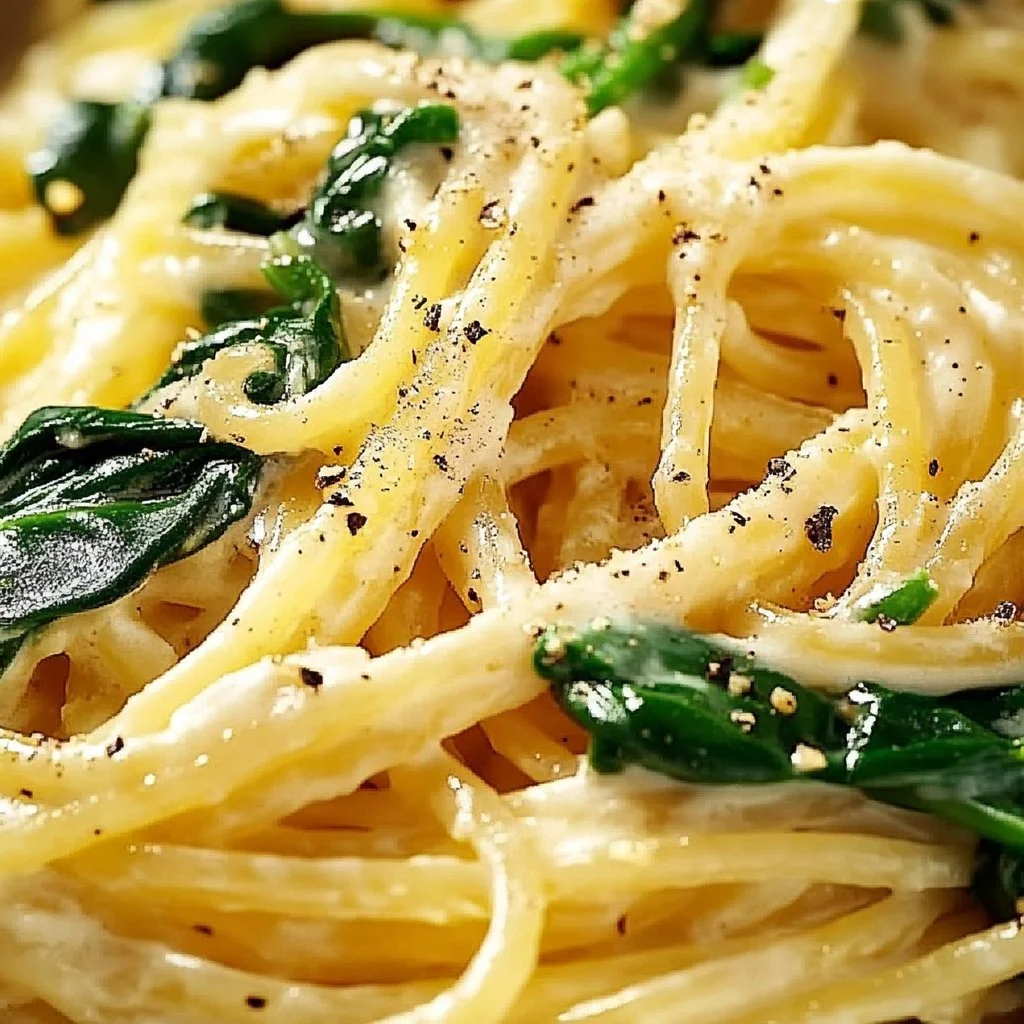
I stand at the counter with a bowl of warm pasta, a soft scoop of ricotta, and the bright scent of lemon in the air. There is a small, steady pleasure in assembling something simple and honest. Creamy Lemon Ricotta Pasta fits that quiet moment. It is quick to make, forgiving to prepare, and easy to love. If you want food that calms rather than stresses, this is the kind of recipe that helps you feel capable in the kitchen.
For a gentle twist on dinner, and a reminder that small routines can be beautiful, this pasta is a reliable friend. You might also like a sweet companion recipe from the same kitchen, such as a citrusy, single-serve pie that shares the same lemony spirit.
Why Creamy Lemon Ricotta Pasta Works So Well Every Time
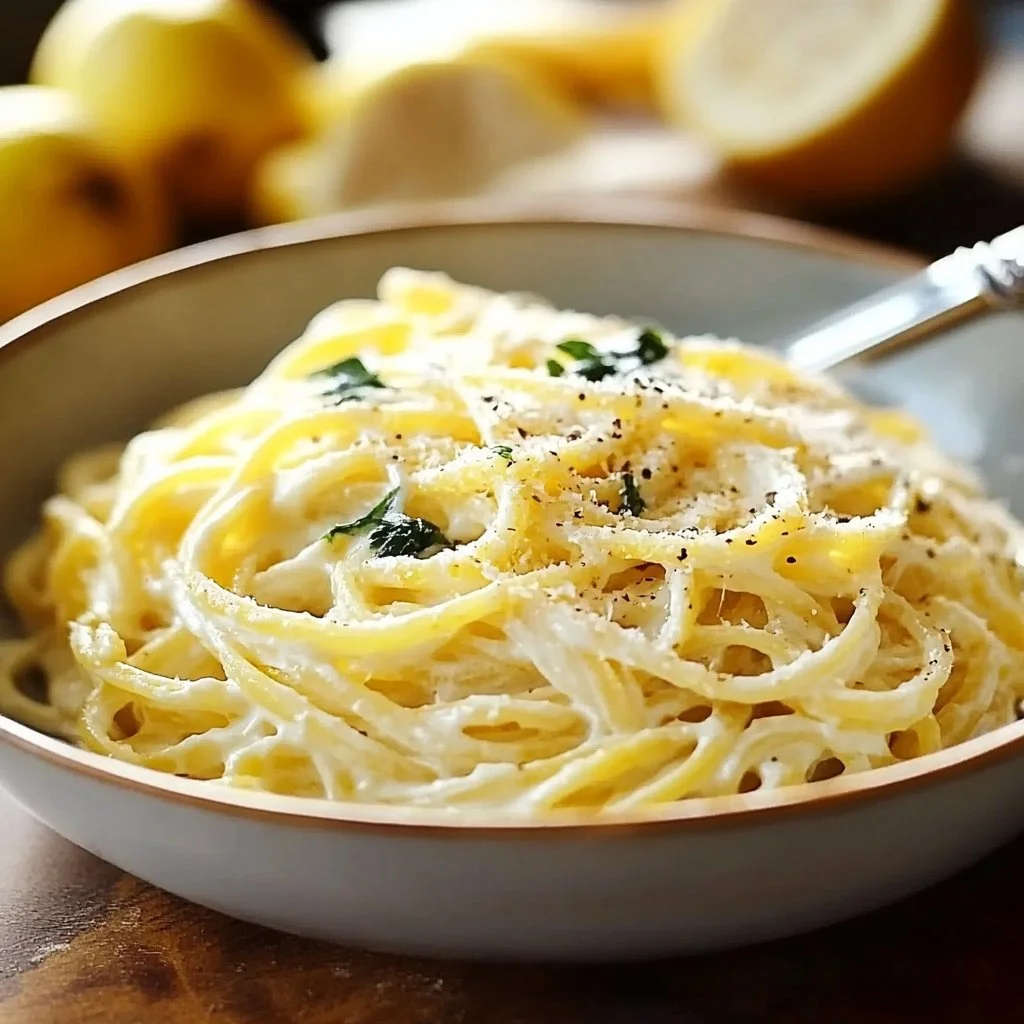
This dish is a study in balance. The ricotta brings a soft, velvety texture that clings to each strand of pasta. Lemon adds lift and brightness so the plate never feels heavy. A handful of fresh spinach gives color, mild green flavor, and a little bite. The results are more than the sum of their parts.
It suits modern home cooking for its simplicity. You can make it on a weeknight, pull it together for friends, or use it as a calm, elegant staple for a small dinner. It does not demand precision. If you prefer a different pasta shape or a touch more cheese, the dish adapts. That flexibility makes it reliable for the everyday cook.
Because it is quick, it fits into routines without fuss. You can read a short recipe and trust it will work. A gentle sauce forms with a splash of reserved pasta water. The warm pasta and the slightly cool ricotta meet and create a silky coating. This is a quiet, dependable meal that asks only for a little attention and a moment of care.
Bringing Creamy Lemon Ricotta Pasta Together Gently
“Good recipes should feel calm, not complicated.”
Before we list ingredients, here is the simple arc of the recipe. You cook the pasta until it is al dente, so it keeps a little bite. You wilt spinach briefly in olive oil to soften its flavor. You mix ricotta with lemon juice and zest to make a bright, creamy base. From there you combine pasta, greens, and cheese, loosening with reserved pasta water until the sauce sits lightly on every strand.
Timing matters in small ways. Cook the pasta while you wilt the spinach so things finish together. Keep some pasta water aside; the starch in that water smooths and binds the ricotta so it becomes a silky sauce. Taste, then adjust salt and pepper. The process is rhythmic. Move calmly and you will find it soothing rather than hurried.
This method gives the pasta a delicate creaminess without heavy cream. The lemon keeps it refreshed and the Parmesan on top gives a savory finish. It is simple, approachable, and rooted in familiar techniques that I have used for years in my own kitchen.
What You’ll Need to Make Creamy Lemon Ricotta Pasta
250g pasta (spaghetti or your choice)
- Use a shape that catches sauce. Spaghetti is classic, but fusilli or penne hold more cream for each bite.
1 cup ricotta cheese
- Whole-milk ricotta gives a richer, smoother texture. Part-skim works in a pinch but will be drier.
1/2 cup grated Parmesan cheese
- Freshly grated Parmesan melts best and brings a nutty, salty finish.
2 tablespoons fresh lemon juice
- Fresh juice brightens the ricotta. Avoid bottled lemon for the best brightness.
1 lemon zest
- Zest carries concentrated citrus oils. A microplane is the easiest way to get fine zest.
2 cups fresh spinach
- Baby spinach wilts quickly and has a mild taste. It adds color and a gentle vegetal note.
2 tablespoons olive oil
- Good olive oil adds fruit and warmth. Use extra virgin for flavor.
Salt and pepper to taste
- Salt is key. Taste as you go. Freshly ground pepper lifts flavors.
Fresh basil for garnish (optional)
- Basil offers a sweet, aromatic finish that pairs well with lemon and ricotta.
Each ingredient plays a clear role. The ricotta provides creaminess without heaviness. Lemon brightens and balances the dairy. Parmesan deepens the savory note. Spinach softens the bite and makes the dish feel green and fresh. Olive oil is the cooking medium and flavor base. Salt and pepper refine the final taste. I find it helpful to set everything out before I start so the process feels calm and measured.
Step-by-Step Directions
- Cook the pasta according to package instructions until al dente.
Drain and set aside, reserving some pasta water.
Keep the pot warm so the pasta does not cool too quickly. - In a large skillet, heat olive oil over medium heat.
Add the spinach and sauté until wilted.
Stir gently so the leaves soften but keep their color and texture. - In a bowl, combine ricotta cheese, lemon juice, lemon zest, salt, and pepper.
Mix until smooth and slightly glossy.
Taste and adjust the lemon or salt as needed. - Add the cooked pasta and the ricotta mixture to the skillet with spinach.
Toss to combine, adding reserved pasta water as needed to create a creamy consistency.
Work slowly so the ricotta thins into a silky sauce that clings to the pasta. - Serve with grated Parmesan and fresh basil on top.
Finish with a last pinch of black pepper and a little lemon zest if you like.
Eat while warm for the best texture and flavor.
These steps are short and steady. The sensory cues are subtle. You will notice the ricotta loosen as you add a little pasta water, becoming glossy and smooth. The spinach will yield and become tender, leaving a gentle green scent. The finished plate will have a soft shine from the sauce and a small, fresh pop of lemon.
Bringing Creamy Lemon Ricotta Pasta to the Table
This pasta is unpretentious. Serve it in warm bowls, scatter a little more Parmesan on top, and pass the pepper. It pairs well with a light salad or some simple roasted vegetables. If you serve coffee or tea afterward, the meal lands like a calm, satisfying page in the day.
For a casual gathering, place bowls on a shared table and invite people to help themselves. The dish is uncomplicated enough that you can focus on conversation rather than plating. For weeknight dinners, it feels like a small act of self-care: bright, comforting, and fast.
There is a quiet versatility here. You can turn it into a main with a piece of pan-seared fish or a roasted chicken breast. Or present it as part of a family-style spread with simple sides. The warmth of the pasta, the coolness of the ricotta when plated, and the lemon’s lift make this a harmonious, approachable meal.
How to Store Creamy Lemon Ricotta Pasta
Refrigeration
- Cool the pasta to room temperature within an hour and place it in an airtight container.
- It will keep well in the refrigerator for 2 to 3 days.
- Reheat gently on the stovetop with a splash of water or a little olive oil to restore creaminess.
Freezing
- This dish freezes, though the ricotta’s texture shifts slightly after thawing.
- For best results, freeze portions in airtight containers and consume within one month.
- Thaw overnight in the refrigerator and reheat gently, stirring to bring the sauce back together.
Make-ahead logic
- You can prepare the ricotta mixture in advance and keep it chilled until ready to toss with hot pasta.
- Assemble everything just before serving so the ricotta remains fresh and the lemon stays bright.
- Making parts ahead saves time and keeps the final step calm and easy.
Once refrigerated, flavors can settle and meld. Some cooks like the dish more on day two because the lemon and cheese have had time to combine. If the sauce feels too thick after resting, a few tablespoons of warm pasta water or a light drizzle of olive oil will loosen it and bring back a smooth finish.
Quiet Adjustments That Help
Choose your pan with care
- A wide, heavy skillet gives you room to toss pasta and makes it easier to combine the ricotta with the greens.
- A shallow pan can crowd the pasta and make mixing messy.
Control oven or stove heat
- Use medium heat to wilt the spinach gently. Too hot and the leaves will brown and lose brightness.
- Warm the ricotta very slightly if needed, but avoid high heat that will separate the cheese.
Substitutions that keep things simple
- If you do not have Parmesan, Pecorino works as a substitute and adds a sharper edge.
- Swap spinach for arugula for a peppery note, adding it at the end to keep the texture.
Fixes for texture
- If the ricotta sauce feels grainy, stir in a little reserved pasta water until it smooths.
- For a silkier mouthfeel, blend the ricotta with a tablespoon of olive oil and a splash of water before mixing with the pasta.
Timing flexibility
- You can pause after cooking pasta. Toss it with a little olive oil and keep it warm. Return the pasta to a hot pan with the ricotta when you are ready to serve.
- If you need to stretch the recipe, add more greens or an extra tablespoon of ricotta and a splash of lemon to maintain balance.
These small adjustments help keep the recipe forgiving. The goal is a comfortable result, not perfection. Over the years, these little tricks have made the dish reliably pleasant whether I am cooking for one or a small group.
Simple Variations
Add a protein
- Stir in cooked shrimp or shredded roasted chicken for a heartier plate.
- Pan-seared salmon pairs well; add it on top as a gentle flourish.
Change the greens
- Try kale or Swiss chard, but simmer them a little longer so they soften fully.
- Add peas for a touch of sweetness and color.
Flavor swaps
- Fold in a spoonful of lemony pesto for a more herbaceous take.
- Add toasted pine nuts or walnuts for texture and a toasty note.
Seasonal adjustments
- In late summer, add halved cherry tomatoes for a sweet burst.
- In cooler months, finish with a little grated nutmeg for warmth.
Cheese variations
- A bit of mascarpone blended into the ricotta makes the sauce silkier.
- Add shaved Pecorino on top for a saltier finish.
Keep variations gentle. Each change should preserve the recipe’s calm, reassuring nature. The dish is meant to adapt, not overwhelm. Try one adjustment at a time and notice how it affects texture and balance.
Small Tips That Make Cooking Easier
- Salt the pasta water well.
- It should taste like the sea. Properly seasoned water gives the pasta depth.
- Reserve enough pasta water.
- Two to four tablespoons often does the trick. You can add more if needed to loosen the sauce.
- Grate cheeses fresh.
- Pre-grated cheese contains anti-caking agents that reduce melting quality.
- Use a microplane for lemon zest.
- It adds fragrant oils without the bitter white pith.
- Keep the pan warm, not hot.
- Gentle heat helps the ricotta emulsify into a sauce without separating.
These are small, everyday practices that save time and improve results. Over many meals, they become habits that free you to enjoy cooking rather than worry about it.
Ways to Adapt Creamy Lemon Ricotta Pasta
Make it a weeknight main
- Pair with a simple green salad and store-bought bread. The meal comes together in under 25 minutes.
Turn it into a light lunch
- Serve a smaller portion with a bowl of seasonal soup for a balanced midday meal.
Host a relaxed dinner
- Double the recipe and keep extra ricotta and lemon on the side for guests who want more brightness.
Use leftovers in new ways
- Toss leftover pasta with an egg and a sprinkle of breadcrumbs, then heat briefly for a textured pan-fried version.
Blend it into soups
- A spoonful of the ricotta-laced pasta can enrich a light vegetable soup for a creamy finish.
Adaptations are invitations, not rules. Pick one that suits your moment and move gently through the steps. The recipe’s heart is its calm adaptability.
FAQs About Creamy Lemon Ricotta Pasta
Can I make this ahead of time?
Yes. This recipe is forgiving. Making parts ahead, such as the ricotta mixture, often makes serving easier and lets the flavors settle naturally.
Keep components chilled and combine with hot pasta at the last minute to keep the texture fresh.
Is ricotta safe to use without cooking it down?
Yes. In this recipe, ricotta meets the hot pasta and warms gently, which creates a safe, pleasant texture.
If you prefer a fully warmed sauce, stir the ricotta with a little pasta water in a warm pan for a minute before adding the pasta.
What if I do not have fresh lemon?
Fresh lemon is best for aroma and brightness. If you must, use a small amount of bottled lemon juice, then add a touch of zest from preserved lemon if available.
Taste as you go. Bottled juice is more acidic and sometimes harsher, so start small.
How can I make it vegan or dairy-free?
Use a plant-based ricotta substitute and nutritional yeast for a savory finish.
Choose a dairy-free Parmesan alternative or toasted seeds for a nutty topping.
Will the pasta dry out when reheated?
Reheat gently with a splash of water or olive oil to bring the sauce back to life.
Avoid high heat that dries out the ricotta.
These answers come from practical kitchen experience. The aim is to reduce worry and help you feel confident. If something feels off, pause, taste, and adjust. Cooking is responsive and forgiving.
A Final Thought From My Kitchen
There is a particular calm that comes from knowing a few good recipes well. Creamy Lemon Ricotta Pasta is one of those recipes. It asks for simple steps, common ingredients, and a little attention. In return, it gives a plate that feels light, comforting, and satisfying.
When I make this, I move slowly and deliberately. I notice the lemon scent when I zest, the soft resistance of pasta when it is al dente, and the slick gloss of ricotta as it becomes sauce. These small, sensory moments are what make home cooking feel like care rather than work.
If you are looking for a meal that helps you feel capable in the kitchen, start here. It is forgiving, flexible, and quietly rewarding. Make it on a weekday, double it for company, or pair it with a small, lemony dessert from the same kitchen style that celebrates simplicity and bright flavor.
Conclusion
This recipe pairs well with other light, lemon-forward meals, and if you want another quick version of lemon ricotta pasta with spinach, I recommend this complementary easy lemon ricotta pasta with spinach recipe that offers a similar quick approach.
Print
Creamy Lemon Ricotta Pasta
- Prep Time: 10 minutes
- Cook Time: 15 minutes
- Total Time: 25 minutes
- Yield: 4 servings 1x
- Category: Main Course
- Method: Stovetop
- Cuisine: Italian
- Diet: Vegetarian
Description
A quick and easy pasta dish featuring creamy ricotta cheese, bright lemon, and fresh spinach, perfect for weeknight dinners or casual gatherings.
Ingredients
- 250g pasta (spaghetti or choice)
- 1 cup ricotta cheese
- 1/2 cup grated Parmesan cheese
- 2 tablespoons fresh lemon juice
- 1 lemon zest
- 2 cups fresh spinach
- 2 tablespoons olive oil
- Salt and pepper to taste
- Fresh basil for garnish (optional)
Instructions
- Cook the pasta according to package instructions until al dente. Drain and set aside, reserving some pasta water.
- In a large skillet, heat olive oil over medium heat. Add the spinach and sauté until wilted.
- In a bowl, combine ricotta cheese, lemon juice, lemon zest, salt, and pepper. Mix until smooth and slightly glossy.
- Add the cooked pasta and the ricotta mixture to the skillet with spinach. Toss to combine, adding reserved pasta water as needed to create a creamy consistency.
- Serve with grated Parmesan and fresh basil on top. Finish with a last pinch of black pepper and a little lemon zest if desired. Eat while warm for the best texture and flavor.
Notes
This dish is forgiving and can be adapted to include different pasta shapes or additional vegetables. Pair with a light salad or varied sides for a complete meal.
Nutrition
- Serving Size: 1 serving
- Calories: 400
- Sugar: 3g
- Sodium: 400mg
- Fat: 15g
- Saturated Fat: 6g
- Unsaturated Fat: 7g
- Trans Fat: 0g
- Carbohydrates: 50g
- Fiber: 2g
- Protein: 18g
- Cholesterol: 50mg
