

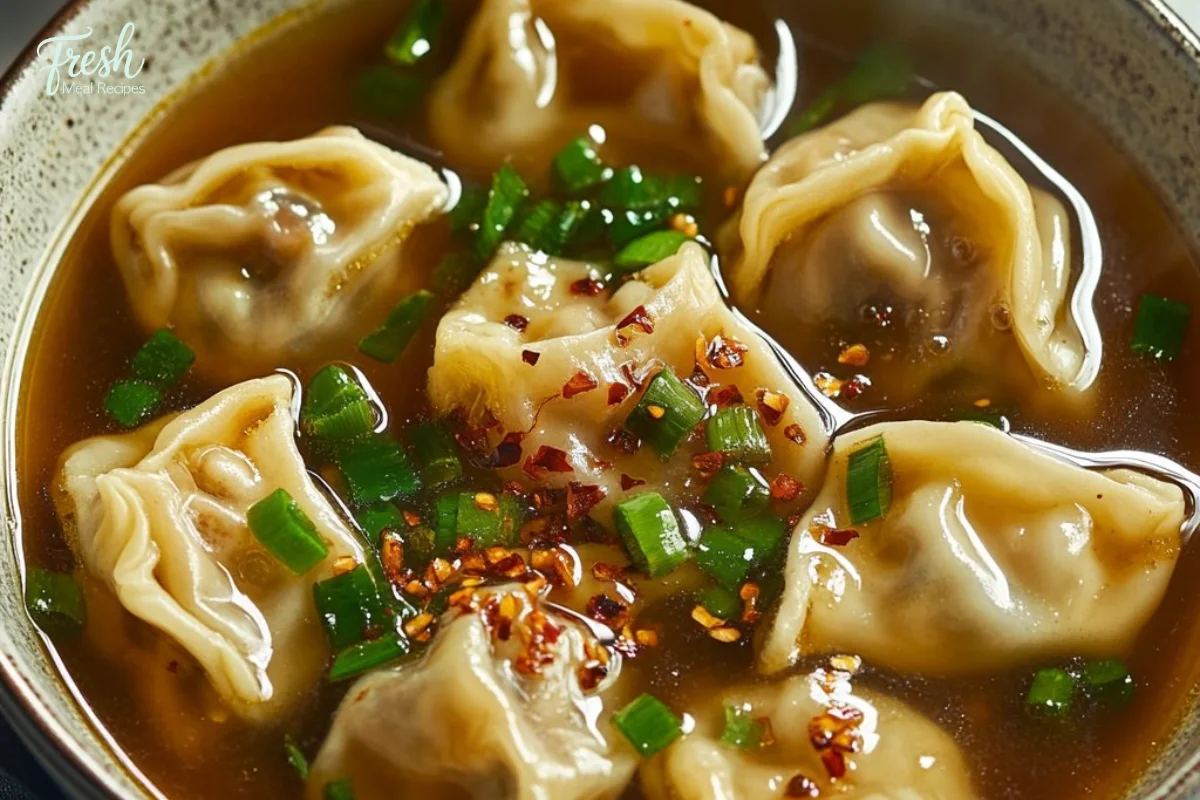
Begin with a quiet kitchen moment. A kettle hisses softly on the stove, and you set out a bowl of frozen dumplings without hurry. You are thinking of simple comfort and the steady pleasure of a good soup. Potsticker Soup fits that mood: warm broth, gentle aromatics, a handful of greens, and dumplings that open with soft, satisfying edges. It is an easy ritual that asks for little more than attention and a calm heart.
Why Potsticker Soup Works So Well Every Time
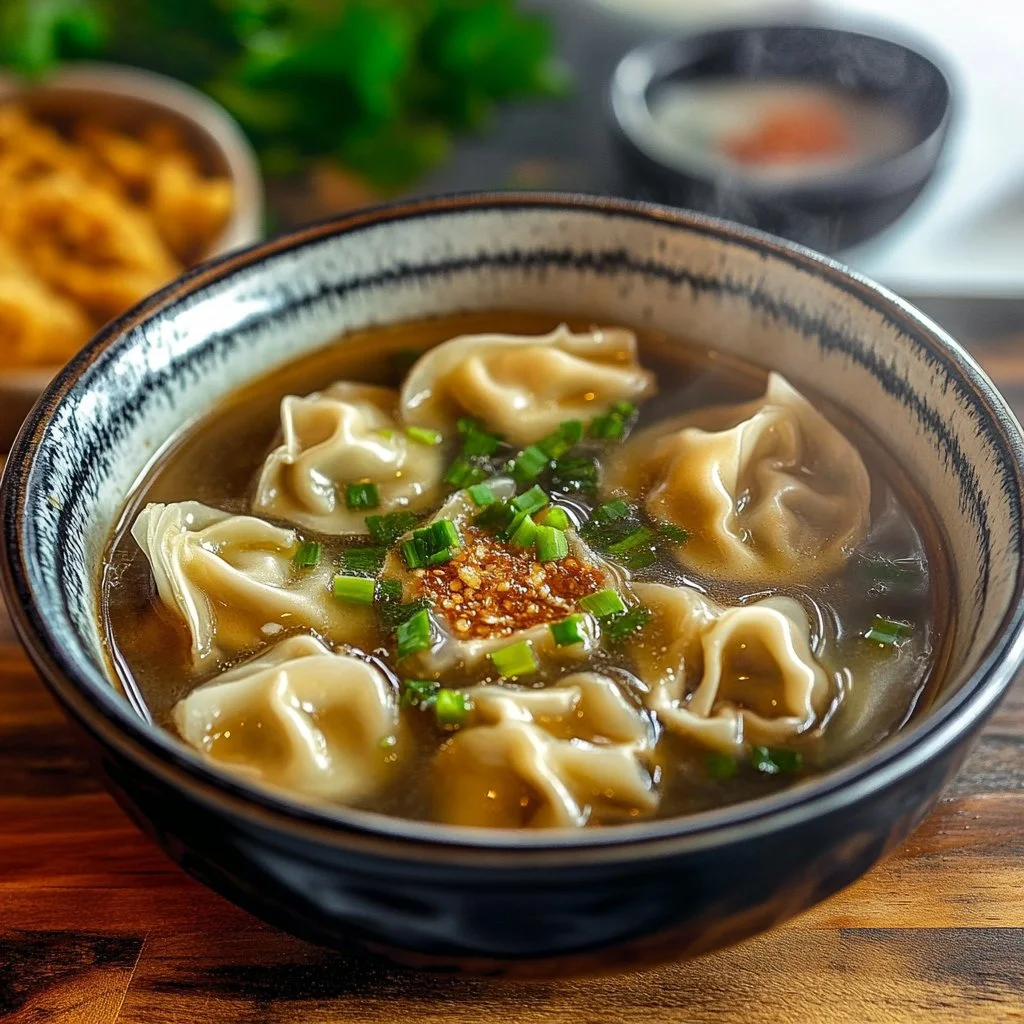
Potsticker Soup feels like a small kindness you can give any night of the week. It asks only for a simmer, a few minutes of attention, and the small care of tasting and adjusting. It is reliable in the way good weekday cooking should be.
This soup is forgiving. Frozen dumplings hold up well in simmering broth. The aromatics of garlic and ginger steadily perfume the kitchen while the dumplings cook. The greens wilt quickly and bring a bright note that keeps the bowl from feeling heavy.
From a practical point of view, this recipe supports everyday routines. It works on short evenings, after work, or when you want something soothing but not fussy. It pairs nicely with a piece of toast, a simple salad, or a small, no-fuss dessert to close the meal. It respects time and energy without asking for precision.
Meanwhile, the textures are pleasing in an unshowy way. The broth stays clear and warm. The dumpling skins hold their shape but soften with a tender chew. The greens add a slight snap before they relax into the broth. These contrasts are small but important, and they make the soup feel put together without fuss.
This is a recipe you will turn to again and again because it rewards calm, steady cooking. It fits into a life where meals matter but do not have to be complicated.
Bringing Potsticker Soup Together Gently
“Good recipes should feel calm, not complicated.”
First, take a quick look at your ingredients and your rhythm. The process is short and quiet: warm the broth, release the aromatics, add the dumplings, and finish with greens and a splash of soy sauce. There is room to breathe between each step.
Once you begin, you will notice small cues. The smell of garlic and ginger will rise and settle, inviting but gentle. The dumplings will drift slowly in the simmer, like small boats, and they will tell you when they are done by floating and by the package instructions that come with them.
Afterward, a few garnishes sliced green onions, a little soy bring the bowl into balance. From there, you sit down and stir, sip, and feel the same quiet satisfaction as when a loaf comes out of the oven and the kitchen holds that steady warmth.
This method is calm by design. It respects timing without rigid rules. It is the kind of recipe that feels like routine after a few tries, and it leaves space for small, personal touches.
What You’ll Need to Make Potsticker Soup
dumplings
4 cups chicken or vegetable broth
2 cloves garlic, minced
1 inch ginger, minced
2 cups greens (like bok choy or spinach)
2 green onions, sliced
soy sauce to taste
salt and pepper to taste
Each ingredient plays a clear role. The dumplings provide substance and the tender, slightly chewy texture that makes the soup feel complete. Frozen dumplings are a practical choice because they cook consistently and store easily.
Broth sets the mood. A clear, good-tasting broth is the backbone here. Use chicken broth for depth or vegetable broth for a lighter, cleaner flavor. The broth’s salt level matters, so taste before adding more soy.
Garlic and ginger are small in quantity but large in effect. They release a warm, aromatic lift that keeps the broth from tasting flat. Mince them finely so they blend into the soup rather than standing out as crunchy bits.
Greens add color and brightness. Bok choy gives a pleasant bite and stem texture. Spinach wilts quickly and melts into the broth. Either choice works; adjust timing to keep the leaves tender.
Green onions finish the bowl. Add them last to preserve both color and crispness. A light splash of soy sauce ties the bowl together with umami and salt. Use it sparingly at first; you can always add more.
Salt and pepper are simple tools. Use them to taste and as a final balancing act. A small pinch of salt while the broth simmers helps integrate flavors. Black pepper adds a quiet lift.
These notes reflect years of cooking small, steady meals. They are practical and forgiving. They allow for slight changes without changing the essence of the soup.
Step-by-Step Directions
- In a large pot, bring the broth to a simmer over medium heat.
Watch the surface for a few small bubbles and a gentle steam.
Keep the heat even so the broth stays clear and clean. - Add the minced garlic and ginger, and cook for 1-2 minutes until fragrant.
Stir briefly so the aromatics bloom without browning.
The kitchen will fill with a warm, soft scent as they release. - Carefully add the dumplings to the pot and cook according to package instructions.
Give them a gentle stir so they do not stick together.
Notice when they float and follow the timing on the package to know they are ready. - Stir in the greens and cook until wilted.
Add them near the end so they keep some bright color.
They will relax into the broth in a minute or two. - Season with soy sauce, salt, and pepper to taste.
Add soy sauce in small amounts and taste as you go.
Adjust salt and pepper until the broth feels balanced. - Garnish with sliced green onions before serving. Enjoy your cozy potsticker soup!
Scatter the green onions on top for a fresh note.
Let the bowl rest for a moment if it is very hot, then serve.
These steps keep the rhythm slow and sure. They let you notice small changes in aroma and texture. You do not need precision so much as presence. The cues floating dumplings, wilted greens, fragrant aromatics are easy to read once you watch for them.
Along the way, you may notice batter-like cues in other recipes, such as when a simple cake batter thickens or when edges set in the oven. Those small signals are the same kind of kitchen language: look and feel, not blind timing. Here, the soup speaks in steam and floating dumplings. Learn the language, and the recipe will always turn out.
Bringing Potsticker Soup to the Table
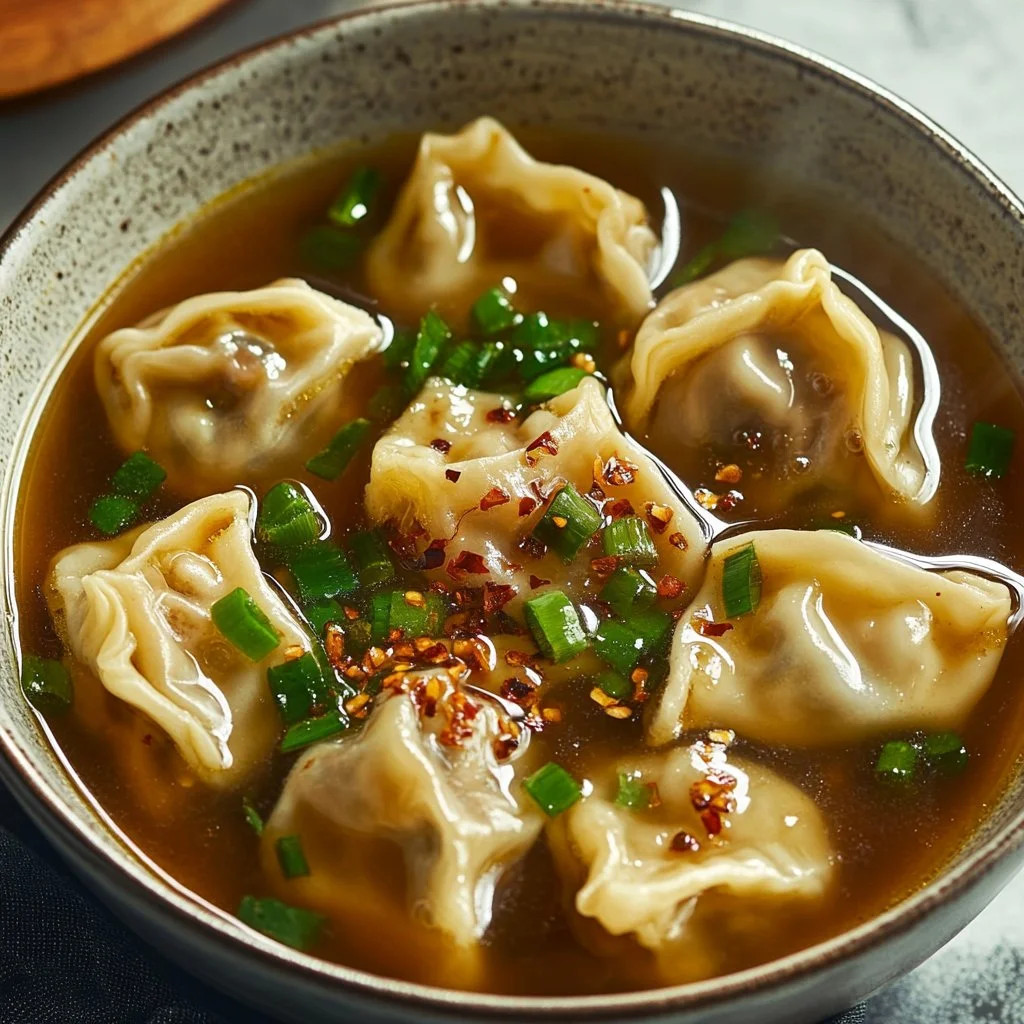
Serve this soup simply. Choose a wide, shallow bowl that shows the dumplings and greens. A small sprinkle of sliced green onions gives the bowl an instant lift. Keep the presentation unforced and honest.
Pair it with plain rice, a small salad, or a simple slice of bread. If you want a small sweet finish, pick an uncomplicated homemade dessert recipe that does not fight the soup’s calm. Something like a simple cake recipe or a tray of easy dessert recipes will keep the meal balanced and homey.
For relaxed evenings, serve with tea or a lightweight white wine. For casual family meals, a pot on the stove and bowls at the table invite conversation. This soup is easy to serve at the last minute. It sustains without demanding a lot of table fuss.
If you are hosting, offer small condiment bowls with extra soy sauce, chili oil, or sesame oil. Let guests customize without complicating your own process. From there, you take a breath and enjoy the ease of a bowl that feels intentional and familiar.
This approach keeps meals grounded. It honors the idea that good cooking is not always a performance. Sometimes it is simply a quiet shared moment.
How to Store Potsticker Soup
Cool the soup to room temperature before refrigerating. Transfer it to an airtight container and place it in the fridge. It will keep well for three to four days.
If you plan to freeze, remove the dumplings first for best texture. Freeze the broth and greens separately in a freezer-safe container for up to three months. Thaw in the fridge overnight and then reheat until steaming before adding fresh or thawed dumplings.
Reheat gently on the stove over low heat. Bring the broth up to a gentle simmer and add dumplings that are fresh or fully thawed. Avoid rapid boiling, which can break down delicate dumpling skins.
Leftovers will taste even better if you let them sit for a few hours. Flavors have a way of settling and integrating when the soup has a little rest. Meanwhile, a quick reheat on the stove brings everything back with minimal effort.
Label your containers with the date. Small steps like that remove guesswork later. You will thank yourself on busy nights when the fridge holds a reliable, warming meal.
Looking for easy dinner ideas?
Explore our Easy Dinner collection for simple, comforting meals made for busy weeknights. These recipes use everyday ingredients and clear steps to help you get dinner on the table without stress.
Marina’s Kitchen Notes
- Use a medium-sized pot with a heavy bottom. It holds heat evenly and reduces the risk of sudden boils that could break dumplings. Place the pot where you can see it and stir occasionally.
- If you want a richer broth, add a teaspoon of toasted sesame oil after you remove the pot from the heat. It gives a warm, rounded finish without making the soup heavy.
- Taste the broth before adding soy sauce. Some broths are already salty enough. Add soy in small amounts, taste, and adjust. This step prevents over-salting.
- For more depth, add a sliced mushroom or a few thin carrot ribbons along with the greens. They cook quickly and add texture without stealing the show.
- Keep a small bowl of cold water nearby when handling minced garlic and ginger. A quick dip can make mincing easier and cleaner. These small routines help the prep feel calm.
These tips come from years of cooking relaxed meals. They are meant to simplify, not complicate. Use what fits your kitchen and your taste. The recipe welcomes small adjustments.
Simple Variations
- Make it vegetarian. Use a good vegetable broth, add extra mushrooms, and finish with a little soy and toasted sesame oil.
- Add heat. A splash of chili oil or a few red pepper flakes can warm the bowl without overwhelming the other flavors.
- Try different dumplings. Pork, chicken, vegetable, or shrimp dumplings all offer slightly different textures. Rotate them to keep the recipe fresh.
- Make it more substantial. Add a soft-boiled egg or a handful of cooked noodles to turn the bowl into a heartier meal.
- Season with citrus. A small squeeze of lime or a tiny splash of rice vinegar brightens the broth at the end.
These are gentle changes. They keep the recipe simple while offering variety. Make one change at a time, taste, and then decide if you want more.
Print
Potsticker Soup
- Prep Time: 10 minutes
- Cook Time: 15 minutes
- Total Time: 25 minutes
- Yield: 4 servings 1x
- Category: Soup
- Method: Simmering
- Cuisine: Asian
- Diet: Vegetarian
Description
A comforting, easy-to-make soup featuring frozen dumplings, warm broth, and fresh greens.
Ingredients
- 4 cups chicken or vegetable broth
- 2 cloves garlic, minced
- 1 inch ginger, minced
- 2 cups greens (like bok choy or spinach)
- 2 green onions, sliced
- Frozen dumplings
- Soy sauce to taste
- Salt and pepper to taste
Instructions
- In a large pot, bring the broth to a simmer over medium heat.
- Add the minced garlic and ginger, and cook for 1-2 minutes until fragrant.
- Carefully add the dumplings to the pot and cook according to package instructions.
- Stir in the greens and cook until wilted.
- Season with soy sauce, salt, and pepper to taste.
- Garnish with sliced green onions before serving.
Notes
For extra depth, add a teaspoon of toasted sesame oil after removing from heat. Use a good-quality broth for the best flavor.
Nutrition
- Serving Size: 1 bowl
- Calories: 250
- Sugar: 2g
- Sodium: 800mg
- Fat: 8g
- Saturated Fat: 1g
- Unsaturated Fat: 6g
- Trans Fat: 0g
- Carbohydrates: 35g
- Fiber: 2g
- Protein: 10g
- Cholesterol: 0mg
FAQs About Potsticker Soup
Can I make this ahead of time?
Yes. This recipe is forgiving. Making the broth and vegetables ahead can speed up dinner, and adding dumplings at the last minute keeps the texture pleasant.
How long do the dumplings take to cook?
Check the package instructions. Most frozen dumplings cook in a few minutes once the broth reaches a gentle simmer. They often float when nearly done.
Can I use fresh dumplings?
Yes. Fresh dumplings cook faster and can be a lovely choice. Watch them closely so they do not overcook and fall apart.
What if the soup tastes flat?
Taste for salt first. A little more soy sauce or a pinch of salt usually brings it to life. A small splash of toasted sesame oil at the end adds warmth and depth.
Can I add noodles?
You can. Cooked noodles work best so they do not soak up too much broth. Add them just before serving to keep their texture.
These answers come from common, calm kitchen moments. They remove the guesswork and help you feel confident. If something feels off, pause, taste, and adjust. You can fix almost anything with small, steady changes.
A Final Thought From My Kitchen
This Potsticker Soup is a quiet, steady companion in the kitchen. It does not demand elaborate skills or a long list of ingredients. It asks only for attention to small cues and the willingness to taste and adjust.
Cooking like this builds confidence over time. You learn to notice steam, aroma, and texture. You learn that small shifts more soy, a pinch of salt, a final squeeze of lime matter more than exact minutes on a clock.
Keep this recipe in your go-to list for nights when you want a meal that is warm, comforting, and efficient. Let it be a little ritual that centers you and feeds the people around your table.
Conclusion
If you want to see other ways people make potsticker soup, I like a few trusted recipes that show gentle variations and different techniques. For a clear, well-explained version that mirrors the calm simplicity I value, take a look at Potsticker Soup Recipe | Gimme Some Oven. If you prefer a slightly heartier take with useful tips for frozen potstickers, this version is helpful: Potsticker Soup – Easy Potsticker Soup with Frozen Potstickers. For a lighter, quicker weeknight approach, this recipe is a good reference: Potsticker Soup Recipe | Quick 30-Minute Dinner – Skinnytaste.
Trust the process, practice a few times, and you will find the kitchen rhythm that works for you. Simple meals like this one make everyday cooking feel calm and very possible.