


I am standing by the stove with a soft towel over one shoulder, the small ritual of dinner slowly unfolding. It is a simple afternoon, and I am making Italian Penicillin Soup because it feels like the right thing to do. The broth warms gently, the vegetables settle into a steady rhythm, and the small, steady movements of chopping and stirring make the kitchen feel calm. This is the kind of cooking that asks for presence rather than perfection, the kind that pairs well with a quiet cup of tea or a no-fuss dessert after the table is cleared.
Why Make This Italian Penicillin Soup
This Italian Penicillin Soup fits into a modern life because it is plain in its needs and generous in its results. It asks for basic pantry items and gives back warmth, nourishment, and a tidy sense of accomplishment. For families, it is a practical dinner choice; for someone feeling under the weather, it offers gentle comfort. It is the kind of recipe that makes you feel capable in the kitchen without pressure.

The appeal is straightforward. The recipe moves in open, familiar steps. Vegetables build a soft, fragrant base, herbs add a simple depth, and leafy greens bring a fresh finish. You do not need elaborate tools or rare ingredients. This is everyday cooking, the kind that lives next to your collection of homemade dessert recipes, easy dessert recipes, and simple cake recipes because the rhythm of food in a household is steady and varied. From soups to family-friendly desserts, this recipe supports a calm, complete meal.
This soup works well every time because it relies on timing and texture rather than precise measures. Carrots and celery soften at predictable rates. Onion goes translucent and sweet. Garlic hits its fragrant moment quickly and then recedes, leaving a warm hum. Simmering is gentle and consistent, and a bright squeeze of lemon at the end lifts the whole bowl. This reliability is what makes a recipe useful in daily life.
How to Make Italian Penicillin Soup
“Good recipes should feel calm, not complicated.”
Bringing Italian Penicillin Soup together is an exercise in steady, quiet steps. The process is short, and it moves in clear stages: build the base, add the broth, let it simmer, finish with greens, then season. Once you find the rhythm, the kitchen feels organized and easy. Timing matters, but loosely. This is forgiving cooking.
Start by noticing textures: softened vegetables should feel tender when pierced, not mushy. The broth should come to a gentle boil and then settle into a soft simmer. With these cues, you will know when to move from one step to the next. Meanwhile, you can prepare a simple side or set the table. Afterward, serve without fuss and enjoy the quiet satisfaction of a meal that works.
What You’ll Need to Make Italian Penicillin Soup
4 cups vegetable broth
1 cup carrots, diced
1 cup celery, diced
1 onion, chopped
3 cloves garlic, minced
1 teaspoon dried thyme
1 teaspoon dried oregano
Salt and pepper to taste
1 cup spinach or kale
1 tablespoon olive oil
Juice of 1 lemon
Each ingredient has a purpose, and understanding that purpose helps you work with confidence. Vegetable broth is your base and provides flavor without heaviness. If you have homemade broth, it deepens the result; if you are using store-bought, choose a low-sodium option so you can control the final seasoning.
Carrots and celery form the classic soffritto with onion. They bring texture and a gentle sweetness as they soften. Dicing them uniformly helps them cook evenly. Onion creates the savory backbone; once it becomes translucent, it has released much of its aromatic complexity.
Garlic is quick to bloom in hot oil. Mince it fine so it integrates into the soup and does not leave large raw bites. Dried thyme and oregano add Italian character without needing fresh herbs. They soften into the broth during simmering.
Spinach or kale brings a green finish and nutritional lift. Spinach wilts quickly and keeps a delicate texture. Kale holds up longer and adds a bit more chew. Choose what you prefer or what you have on hand.
Olive oil is the warming agent and flavor carrier. A tablespoon is enough to gently sauté the vegetables without making the soup greasy. Lemon juice at the end brightens the whole bowl; it is the small flourish that makes a simple soup feel finished.
While this is a soup, it sits well within a day of easy, intentional cooking. I often pair it with elements from an everyday baking practice: a loose loaf of bread, a tray of no-fuss desserts, or a simple cake recipe for dessert. These pairings keep dinner relaxed and satisfying.
Step-by-Step Directions
- In a large pot, heat olive oil over medium heat.
Keep the heat steady so the oil warms evenly.
Look for a light shimmer; do not let it smoke. - Add onion, carrots, and celery, sautéing until soft.
Stir often so the vegetables cook uniformly.
The onion should become translucent and gentle to the touch. - Stir in garlic, thyme, and oregano, cooking for an additional minute.
Move quickly so the garlic does not brown.
You will smell the herbs open and the garlic become fragrant. - Pour in the vegetable broth and bring to a boil.
Increase the heat just until you see steady bubbles.
Then take a breath and lower it to a gentle simmer. - Lower the heat and let it simmer for about 15 minutes.
Watch for the vegetables to become tender when pierced.
The broth will tone down from active boil to soft rhythm. - Add the spinach or kale and cook until wilted.
Stir gently so the greens fold into the hot liquid.
They will change color and feel tender within minutes. - Season with salt, pepper, and lemon juice before serving.
Taste and adjust with small increments of seasoning.
Finish with a bright squeeze of lemon to lift the flavors.
These steps are short and clear. The cues help you work without timing everything to the minute. Rely on the feel of the ingredients and their visual changes. You will also notice small sensory cues that often happen in other forms of cooking: batter thickening in a nearby bowl, edges setting where a loaf bakes in the oven, the surface turning lightly golden on a toasted slice, or cooling before slicing. These are familiar rhythms that reassure you food is transforming as it should.
Serving Italian Penicillin Soup Simply
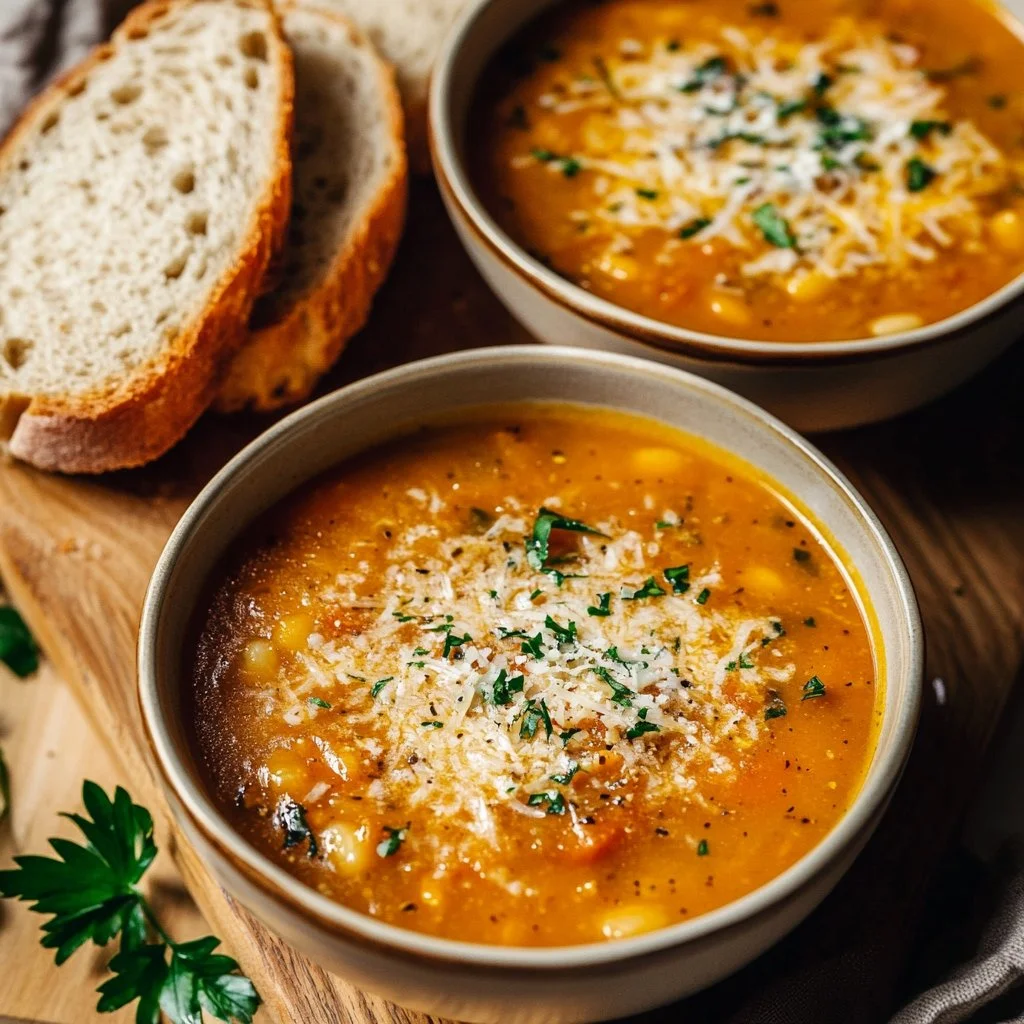
Serve this soup in modest bowls and let it fit into the day without ceremony. A napkin, a bowl, and a warm spoon are all you need. For a weeknight dinner, place a simple salad or warm bread beside it. For a quiet lunch, pair it with a cup of tea or a light coffee.
If you tend to serve desserts after meals, this soup pairs well with uncomplicated treats. Think about family-friendly desserts that follow a calm meal: a quick loaf of banana bread, a small tray of cookies, or a simple cake recipe that you can set while the soup simmers. These combinations create a balanced flow from savory to sweet without pressure.
Keep the presentation unfussy. A drizzle of olive oil, a few torn leaves of fresh herb, or a tiny dusting of pepper is enough. The idea is to keep the serving intentional and unostentatious. This soup is comfort that respects the quiet needs of daily life.
How to Store Italian Penicillin Soup
This recipe stores well, and that reliability makes it practical for busy schedules. Cool the soup slightly at room temperature before covering. Do not leave it out for more than two hours. Transfer it to an airtight container and refrigerate within that window.
In the refrigerator, the soup will keep for up to four days. Gentle reheating on the stovetop over low heat preserves texture. Add a splash of broth or water if it has thickened slightly. If you used kale, you may notice the greens soften further with refrigeration; this is normal and still delicious.
For longer storage, freeze the soup. Use freezer-safe containers and leave a little headspace for expansion. Frozen soup keeps well for up to three months. Thaw overnight in the refrigerator and rewarm slowly on the stove. Lemon juice is best added fresh after reheating to keep its brightness.
This make-ahead quality is one reason I like this soup. It fits into a pattern of everyday baking and cooking where you can prepare elements ahead and combine them when needed. A batch in the fridge becomes a midweek anchor, and it pairs naturally with quick homemade dessert recipes for a balanced family meal.
Jessica’s Kitchen Notes
Choose the right pot. A medium to large heavy-bottomed pot distributes heat evenly and reduces the chance of hot spots. It also gives you room to stir comfortably.
Place the pot over medium heat. If your stove runs hot, you may need to lower the setting. Look for a gentle shimmer on the oil and a soft sizzle when vegetables hit it.
Use dice that are roughly the same size. Uniformity helps the carrots and celery cook evenly. If you prefer a softer bowl, dice smaller. For more texture, cut slightly larger.
Substitutions are simple. If you do not have spinach or kale, add a handful of chopped chard or a few leaves of collard greens. If you want protein, add cooked beans near the end.
Timing is flexible. If you need a longer simmer for deeper flavor, extend it by 5 to 10 minutes. If you are short on time, start with tender vegetables and reduce the simmer by a few minutes. The recipe is forgiving.
If you like a silky texture, you can blend a portion of the soup and stir it back in. This creates a thicker mouthfeel without losing the simplicity of the ingredients.
These small adjustments keep the kitchen calm. They give you options without complicating the core idea. The more you cook like this, the more confident you become letting things shift gently as the meal develops.
Looking for easy dinner ideas?
Explore our Easy Dinner collection for simple, comforting meals made for busy weeknights. These recipes use everyday ingredients and clear steps to help you get dinner on the table without stress.
Simple Variations
Add a pinch of red pepper flakes for gentle warmth. It gives the bowl a subtle lift without overtaking the original balance.
Stir in a small handful of cooked pasta, like orzo or pastina, in the final few minutes. This makes the soup heartier and more filling. It also nods to traditional comfort bowls that feel like a full meal.
Finish with grated Parmesan if you tolerate dairy. The cheese melts into the hot broth and adds a savory richness that two or three spoons will highlight.
For a smoky note, add a teaspoon of smoked paprika along with the dried herbs. It pairs well with the lemon and complements the vegetables.
If you prefer a creamier texture, swirl in a splash of unsweetened plain yogurt or a tablespoon of cashew cream just before serving. These additions create a soothing mouthfeel while keeping the soup light.
Keep these variations simple and intentional. The idea is to adapt the soup to your pantry and preferences without turning it into something it is not. Small changes build trust with your kitchen habits and lead to consistent, pleasant results.
Print
Italian Penicillin Soup
- Prep Time: 10 minutes
- Cook Time: 25 minutes
- Total Time: 35 minutes
- Yield: 4 servings 1x
- Category: Soups
- Method: Stovetop
- Cuisine: Italian
- Diet: Vegetarian
Description
A comforting and nourishing soup made with simple ingredients, perfect for cozy gatherings or for when you’re feeling under the weather.
Ingredients
- 4 cups vegetable broth
- 1 cup carrots, diced
- 1 cup celery, diced
- 1 onion, chopped
- 3 cloves garlic, minced
- 1 teaspoon dried thyme
- 1 teaspoon dried oregano
- Salt and pepper to taste
- 1 cup spinach or kale
- 1 tablespoon olive oil
- Juice of 1 lemon
Instructions
- In a large pot, heat olive oil over medium heat until shimmering.
- Add onion, carrots, and celery; sauté until soft, stirring often until the onion is translucent.
- Stir in garlic, thyme, and oregano; cook for an additional minute while fragrant.
- Pour in vegetable broth and bring to boil, then lower to a gentle simmer.
- Let simmer for about 15 minutes until vegetables are tender.
- Add spinach or kale and cook until wilted, stirring gently.
- Season with salt, pepper, and lemon juice before serving.
Notes
For variations, you can add cooked pasta, Parmesan cheese, or a splash of yogurt for creaminess. This soup stores well and can be reheated easily.
Nutrition
- Serving Size: 1 serving
- Calories: 250
- Sugar: 4g
- Sodium: 600mg
- Fat: 8g
- Saturated Fat: 1g
- Unsaturated Fat: 6g
- Trans Fat: 0g
- Carbohydrates: 35g
- Fiber: 5g
- Protein: 8g
- Cholesterol: 0mg
FAQs About Italian Penicillin Soup
Can I make this ahead of time?
Yes. This recipe is forgiving. Making it ahead often makes serving easier and lets the flavors settle naturally. Reheat slowly and add lemon just before serving.
How do I adjust the salt?
Start with a small amount and add more after simmering. If you are using store-bought broth, taste it first; many broths contain added salt. You can always add more, but you cannot take it away.
What if I prefer more texture?
You can reserve some sautéed vegetables before adding broth and return them near the end. Alternatively, dice vegetables larger so they remain defined after simmering.
Can I add protein?
Yes. Stir in cooked beans, shredded cooked chicken, or small pasta for extra substance. Add them near the end to warm through without becoming overcooked.
Is lemon necessary?
Lemon is optional but recommended. Its acidity brightens the bowl and balances the savory notes. Add a little at a time and taste as you go.
These questions reflect the small uncertainties that often come up in the kitchen. Addressing them calmly helps you feel more capable. There are practical, low-stress solutions for each concern.
A Final Thought From My Kitchen
Cooking this soup is a small, steady act of care. It does not demand perfection. It asks only that you move with intention and attention. The result is a bowl that comforts, nourishes, and fits into the rhythms of everyday life.
If you ever feel unsure, remember the simple cues: softness of the vegetables, the fragrant moment for garlic, the gentle simmer of the broth. Use those senses more than the clock. This approach transfers easily to other kitchen practices, whether you are trying everyday baking or pulling together no-fuss desserts after a meal.
This recipe is a quiet companion for many days. It will take care of you when you are tired and give you a small, steady pleasure on ordinary evenings. Keep it in your rotation and adapt it as you like. That is how recipes become part of a home.
Conclusion
For a slightly heartier variation that includes tiny pasta and a nonna-style touch, see a useful guide from Italian Chicken Pastina Soup (aka Italian Nonna’s Penicillin Soup) which offers a warm, traditional perspective.
