
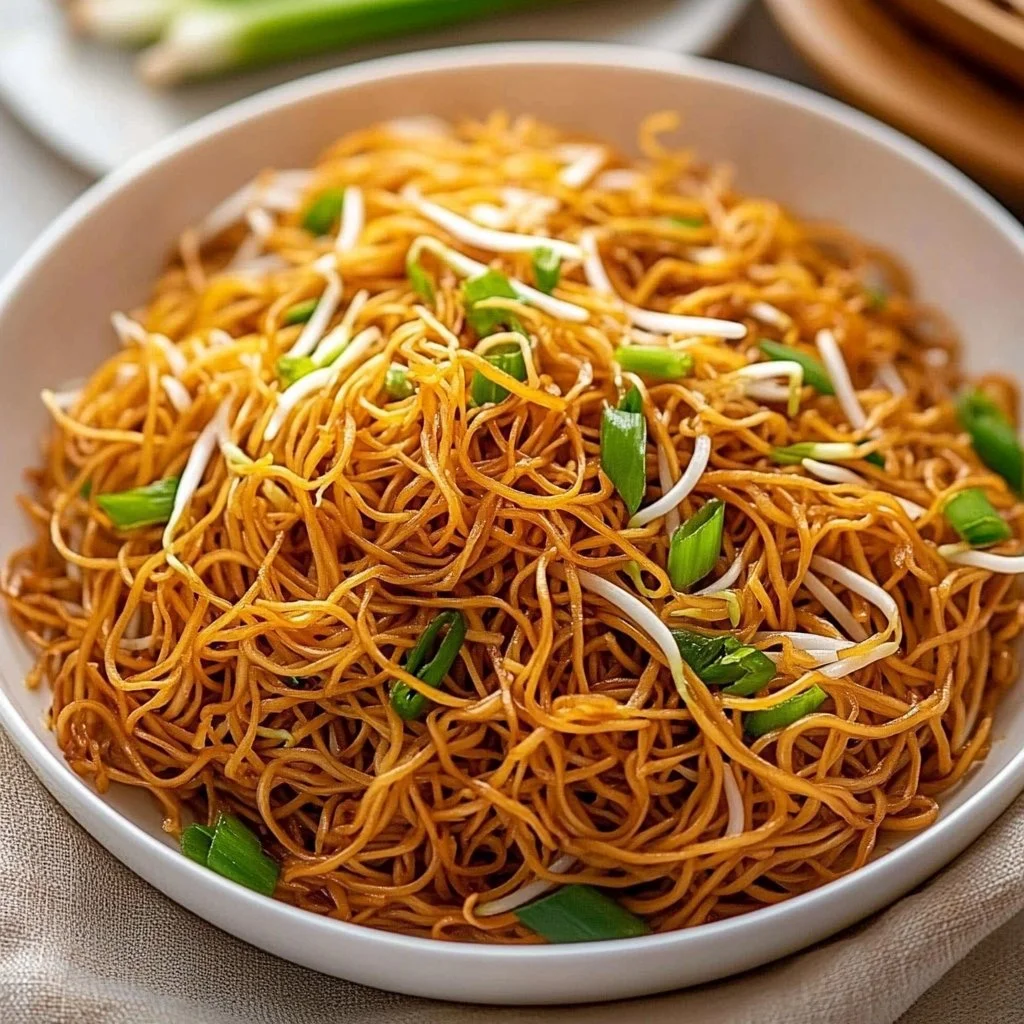
A late afternoon light settles on the counter. I have a bowl of cooked noodles ready and a skillet warming on the stove. The simple rhythm of chopping, stirring, and tasting feels steady and kind. Classic Chinese Chow Mein comes together in this calm way. It is reliable, quick, and quietly satisfying for a weeknight meal or a small dinner with friends. If you enjoy easy Asian-inspired noodle dishes, you might also like my take on a warming classic ginger garlic chicken noodle soup, which shares a similar focus on clear flavors and gentle technique.
Why Classic Chinese Chow Mein Works So Well Every Time
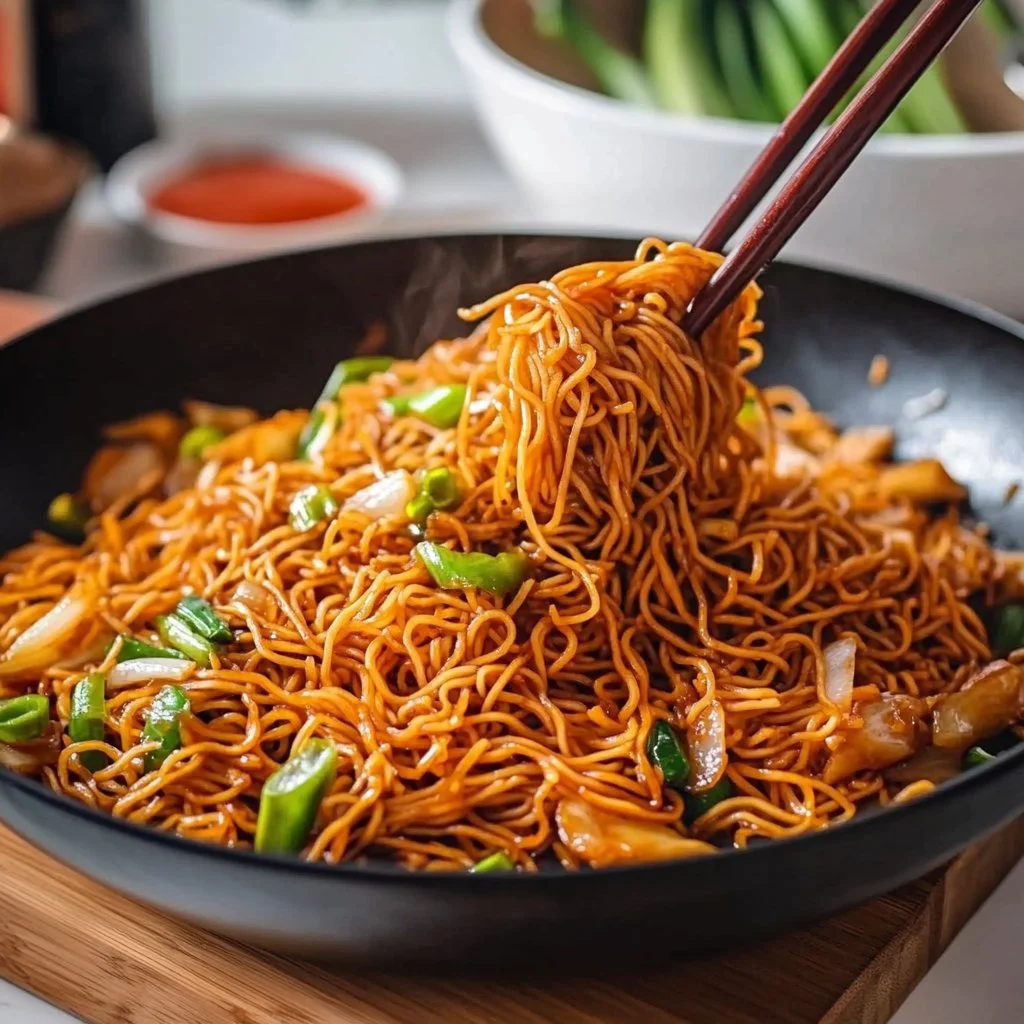
Classic Chinese Chow Mein fits easily into a practical home kitchen. It uses a few thoughtful ingredients and simple steps. The balance of tender noodles, crisp vegetables, and a touch of savory soy sauce feels familiar and satisfying. This dish is the kind of recipe you return to when you want good food without fuss.
The technique is straightforward. A hot pan, a quick stir, and a moment of attention deliver a dish that feels deliberate and calm. Vegetables stay bright and snappy. Noodles pick up flavor without going mushy. Those small, reliable wins build confidence. Meanwhile, the recipe supports everyday routines, not perfection.
I often think of this dish alongside other easy family favorites. It stands well next to everyday baking projects or no-fuss desserts in the sense that it is forgiving, approachable, and predictable. Cook it when you want a meal that feels like a household rhythm rather than a performance. From there, you have a base you can adapt, season, and expand with ease.
How to Make Classic Chinese Chow Mein
“Good recipes should feel calm, not complicated.”
Making Classic Chinese Chow Mein is a steady, short process. First, cook and cool the noodles so they remain springy. Meanwhile, prepare the aromatics and vegetables. Once the pan is hot, everything moves quickly. The goal is crisp-tender vegetables and noodles that carry sauce, not soak it.
Think about texture as you work. The noodles should separate easily after draining. The garlic and ginger should bloom in the oil, not burn. Vegetables should snap under the fork while feeling tender enough to chew comfortably. Timing is modest. The stir-fry portion is a few minutes of focused stirring. Afterward, sit down and enjoy. This rhythm is similar to the calm acts of everyday baking, where small cues tell you when things are ready.
Gathering the Ingredients
What You’ll Need to Make Classic Chinese Chow Mein
8 ounces chow mein noodles
2 tablespoons soy sauce
1 tablespoon garlic, minced
1 tablespoon ginger, minced
2 cups mixed vegetables (such as bell peppers, carrots, and snow peas)
2 tablespoons vegetable oil
Salt and pepper to taste
Green onions for garnish (optional)
Each ingredient has a clear role. The chow mein noodles give structure and a pleasant chew. Soy sauce brings salt and umami, and it also darkens the noodles just enough to look inviting. Garlic and ginger are aromatic anchors. They make the whole dish feel bright without complicating it.
Choose vegetables that contrast in color and texture. Bell peppers and carrots add sweetness and firmness. Snow peas add a delicate snap. If you prefer, swap in broccoli florets, baby corn, or a handful of shredded cabbage. The oil makes a quick, even sear. Salt and pepper finish the dish, adjusting to your taste.
A small practical note: if your noodles are packaged with an oily coating, rinse them briefly under warm water after cooking to remove excess starch and separate the strands. This keeps the final dish from clumping. If you ever find yourself adapting the idea to a dessert-focused day, remember the same gentle principles that guide simple cake recipe success: attention to texture, small timing cues, and patient cooling.
Step-by-Step Directions
- Cook the chow mein noodles according to package instructions, then drain and set aside.
Heat a pot of salted water and follow the package timing closely. Drain the noodles and shake off excess water.
Spread them on a tray or wide plate to cool slightly, so they do not continue to steam and stick. - Heat vegetable oil in a large skillet or wok over medium-high heat.
Let the oil shimmer but not smoke; you should see a thin ripple across the surface.
A properly hot pan gives a quick sear to aromatics and vegetables, which keeps texture lively. - Add minced garlic and ginger, stirring for about 30 seconds until fragrant.
Move the garlic and ginger constantly so they soften and release aroma without browning too much.
This brief bloom in oil is where the dish begins to smell like itself, warm and inviting. - Add the mixed vegetables and stir-fry for 2-3 minutes until crisp-tender.
Keep the movement steady, tossing pieces so they cook evenly and keep their color.
The vegetables should still have a slight bite; they will keep crispness once mixed with the noodles. - Add the cooked noodles and soy sauce, tossing everything together until well combined.
Use tongs or a wide spatula to lift and turn the noodles, letting the sauce coat them evenly.
Once the soy sauce touches hot edges, it deepens in color and knits the components together. - Season with salt and pepper to taste.
Taste a small bite and adjust gently; a little salt or pepper can round the flavors.
If you like more depth, add a splash more soy sauce, but do it slowly and taste. - Serve hot, garnished with green onions if desired.
Spoon the Chow Mein into warm bowls or a shared platter and scatter sliced greens on top.
Eat soon, while the textures and temperatures are at their best.
Serving Classic Chinese Chow Mein Simply
Serve Classic Chinese Chow Mein without ceremony. A shallow bowl or a family platter works well. Let people help themselves, tucking a napkin under the bowl for comfort. The dish pairs well with a simple green salad or steamed greens and a cup of tea or a gentle coffee after a busy day.
For casual gatherings, lay out a small bowl of sliced green onions and extra soy sauce on the side. People can tailor seasoning at the table. The idea is ease. This recipe is as friendly to a solo weeknight as it is to a small family dinner. It holds up alongside other everyday dishes and even simple desserts you may serve afterward, like an uncomplicated fruit tart or one of those easy dessert recipes that finishes a meal without fuss.
Saving Some for Later
How to Store Classic Chinese Chow Mein
Short term, place leftovers in an airtight container in the refrigerator for up to three days. Spread noodles and vegetables out slightly when packing, so they cool quickly and evenly. This prevents steam from making them soggy.
For longer storage, freeze portions in a well-sealed container for up to two months. Thaw overnight in the refrigerator before reheating. When reheating from cold, add a splash of water to the pan and warm gently over medium heat, tossing until everything loosens and warms through. This helps return some of the original texture.
If you plan to meal-prep, store sauce and noodles separately, if possible. Noodles tossed with sauce can become softer over time. Keeping components apart gives you more control when you reheat, much like storing components for a simple cake recipe where glazes and cake layers wait to be joined until just before serving.
Small Tips That Make Cooking Easier
Quiet Adjustments That Help
- Pan choice matters
Use a heavy skillet or a wok if you have one. A wide surface gives noodles room to move and lets steam escape. If your pan is small, work in batches to avoid crowding. - Oil and heat balance
Heat the oil until it shimmers but does not smoke. Too cool and the vegetables will steam; too hot and aromatics will burn. If oil starts to smoke, lower the heat, or remove the pan briefly from the flame and let it settle. - Noodle handling
Rinse after cooking, if needed, to remove starch. Toss the cooked noodles with a tiny splash of oil to help them stay separate when you add them to the pan. - Timing flexibility
If you need a little more time, remove the vegetables from the pan after they reach crisp-tender. Return them when the noodles are ready. This keeps textures bright and prevents overcooking. - Mild flavor swaps
If you do not have ginger or garlic fresh, use 1/3 the amount of jarred or paste forms and add them toward the end of the aromatics step. The flavors are more concentrated in paste form.
Simple Variations
Ways to Adapt Classic Chinese Chow Mein
- Add protein: Stir in cooked chicken, shrimp, or tofu. If using raw protein, cook it first and set aside to prevent overcooking the vegetables.
- Boost umami: Stir a teaspoon of toasted sesame oil or a splash of oyster sauce into the noodles at the end for added depth.
- Make it spicy: Add a pinch of red pepper flakes or a drizzle of chili oil while tossing the noodles.
- Swap the noodles: If you prefer a different texture, try egg noodles or even udon in a pinch. Adjust cooking time so they stay firm.
- Seasonal vegetables: In winter, use shredded cabbage and thinly sliced leeks. In summer, add snap peas and thin asparagus. The dish adapts easily to what you have on hand.
These variations stay gentle and honest. You do not need a long shopping list to make this dish work. Much like preparing no-fuss desserts or simple cake recipes at home, small, thoughtful changes can yield comfort without stress.
FAQs About Classic Chinese Chow Mein
Can I make this ahead of time?
Yes. This recipe is forgiving. Make the noodles and vegetables separately and combine just before serving for the freshest texture. Making parts ahead makes serving calm and easy.
How do I keep noodles from sticking together?
Rinse briefly after cooking if they feel starchy. Toss with a small amount of oil and spread them on a tray to cool briefly. When you add them to a hot pan, stir gently to separate strands.
Can I use frozen vegetables?
Yes. Use frozen vegetables if that is what you have. Thaw and drain them well to avoid excess water. Cook them slightly longer if they release more moisture.
What pan should I use?
A wide, heavy skillet or a wok works best. The wider the surface, the better the noodles can toss and warm evenly. If you use a smaller pan, work in two batches.
Is this recipe kid-friendly?
Yes. The flavors are simple and mild. You can adjust salt and omit spicy elements to suit young palates. It makes a pleasant family meal alongside steamed vegetables or a small salad.
A Final Thought From My Kitchen
One Last Note Before You Cook
Classic Chinese Chow Mein is an invitation to calm cooking. It asks for attention without demanding perfection. A steady hand, warm oil, and bright vegetables are all it asks. You can make it exactly as written, or you can make little adjustments that match your pantry and time.
I return to this recipe on hectic evenings and slow Sundays. It is the kind of dish that gives back a quiet pleasure. The smile at the table matters more than the garnish. If you keep these simple cues in mind, the bowl you bring out will be warm, balanced, and kind.
Conclusion
If you want a visual guide or a short video to pair with this calm, practical approach, the Classic Chinese Chow Mein Recipe [VIDEO] – Dinner, then Dessert offers a helpful step-by-step demonstration to watch alongside your first try.
Print
Classic Chinese Chow Mein
- Prep Time: 15 minutes
- Cook Time: 10 minutes
- Total Time: 25 minutes
- Yield: 4 servings 1x
- Category: Main Course
- Method: Stir-frying
- Cuisine: Chinese
- Diet: Vegetarian
Description
A reliable and quick recipe for Chow Mein, perfect for weeknight meals or casual gatherings, featuring tender noodles and crisp vegetables.
Ingredients
- 8 ounces chow mein noodles
- 2 tablespoons soy sauce
- 1 tablespoon garlic, minced
- 1 tablespoon ginger, minced
- 2 cups mixed vegetables (such as bell peppers, carrots, and snow peas)
- 2 tablespoons vegetable oil
- Salt and pepper to taste
- Green onions for garnish (optional)
Instructions
- Cook the chow mein noodles according to package instructions, then drain and set aside.
- Heat vegetable oil in a large skillet or wok over medium-high heat.
- Add minced garlic and ginger, stirring for about 30 seconds until fragrant.
- Add the mixed vegetables and stir-fry for 2-3 minutes until crisp-tender.
- Add the cooked noodles and soy sauce, tossing everything together until well combined.
- Season with salt and pepper to taste.
- Serve hot, garnished with green onions if desired.
Notes
For best texture, store noodles and sauce separately if preparing in advance. Rinse noodles after cooking to prevent sticking.
Nutrition
- Serving Size: 1 serving
- Calories: 350
- Sugar: 5g
- Sodium: 400mg
- Fat: 12g
- Saturated Fat: 2g
- Unsaturated Fat: 8g
- Trans Fat: 0g
- Carbohydrates: 45g
- Fiber: 3g
- Protein: 15g
- Cholesterol: 0mg